
Choose your weapon


Your Dates & Locations:
-- > -- -- > -- ---- -- Days
Thanks!
We’re comparing ALL online rates to find you the best campervan deals.
Send us your full name on WhatsApp or Messenger & we’ll do the rest!
.png)

Sit tight
We're finding the best deals for you.
5.0 
3,000+ Google & Facebook reviews

10s
I did the big lap back in 2012, Brisbane to Sydney the long way round, then just kept going until I’d made it all the way around the country. There’s no official route or fixed itinerary, just a shared idea: drive right around Australia, broadly following the coastline, and shape it around your own time, vehicle and budget.
This guide covers the decisions that actually matter: how long you’ll need, which route and detours make sense, what it costs, which vehicle suits you, and what the trip is genuinely like once you’re a few weeks in.
____________________________________________________
Planning a campervan trip?
Share your travel details and we’ll find you the best van, unlock the best deals, and tailor your perfect road trip.
____________________________________________________
What Is the Big Lap (and Is It Right for You?)
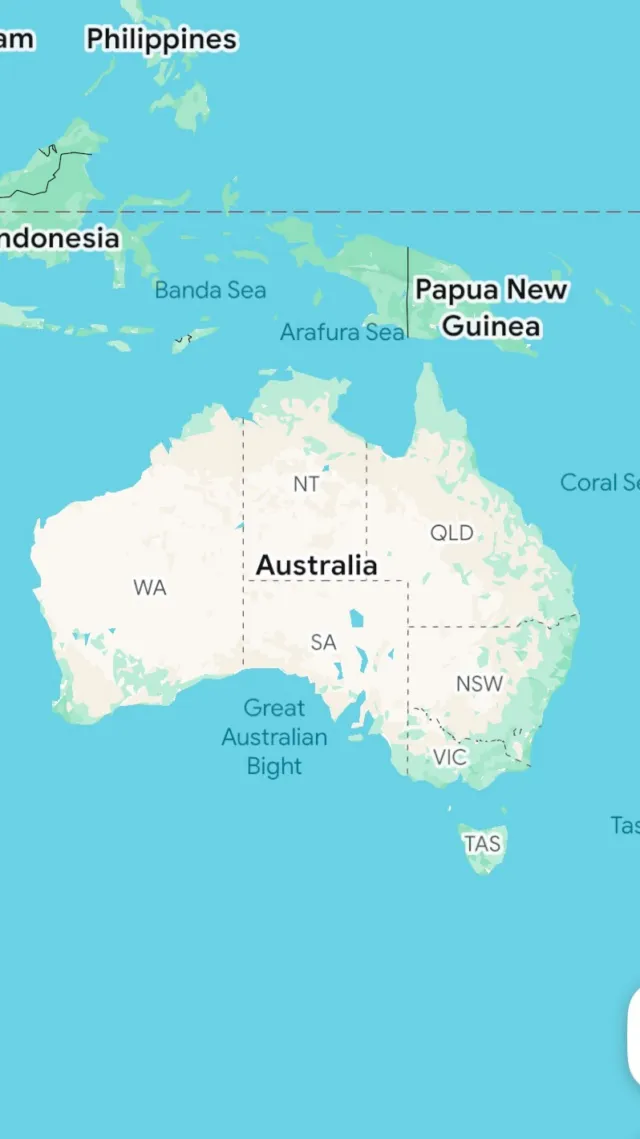
The big lap is the Australian tradition of driving all the way around the country, generally following the coastal route that roughly traces Highway 1. It’s not a government-designated trail, just a shared idea: start somewhere, follow the coast around, and end up back where you began.
Highway 1 itself runs for somewhere in the vicinity of 14,500 kilometres, though very few people drive it in a straight line. Add the Red Centre, the Kimberley, Tasmania or any other detour and your actual distance runs well beyond that. None of these detours are required to “count” as a big lap, and Tasmania is a good example of the flexibility: some people add it as a ferry crossing partway through, others treat it as a separate trip, plenty leave it out. You also don’t need to do it in one continuous run. Splitting it into two or three legs over a few years is just as common as doing it in one go, and neither approach is more legitimate than the other.
Who tends to do it? Traditionally retirees with the time and the rig, and backpackers stringing together farm work along the way. These days it’s a broader mix, including couples on a career break, families doing shorter stretches over school holidays, and remote workers doing the whole thing from the road.
It suits people who enjoy the process of travelling, not just arriving, and who are comfortable with a bit of unpredictability. If you’d rather tick off sights efficiently, or need every day mapped out precisely, a shorter, more targeted trip might suit you better. A few honest signs it’s not for you right now: you’re short on time and would rather see fewer places properly, you’re not keen on remote driving or patchy mobile coverage, or you’re hoping to do it with very young children, which changes the pace considerably. None of that rules the idea out — a shorter version, a partial lap, or a series of RatPack road trips over a few years often makes more sense than the full circuit in one go.
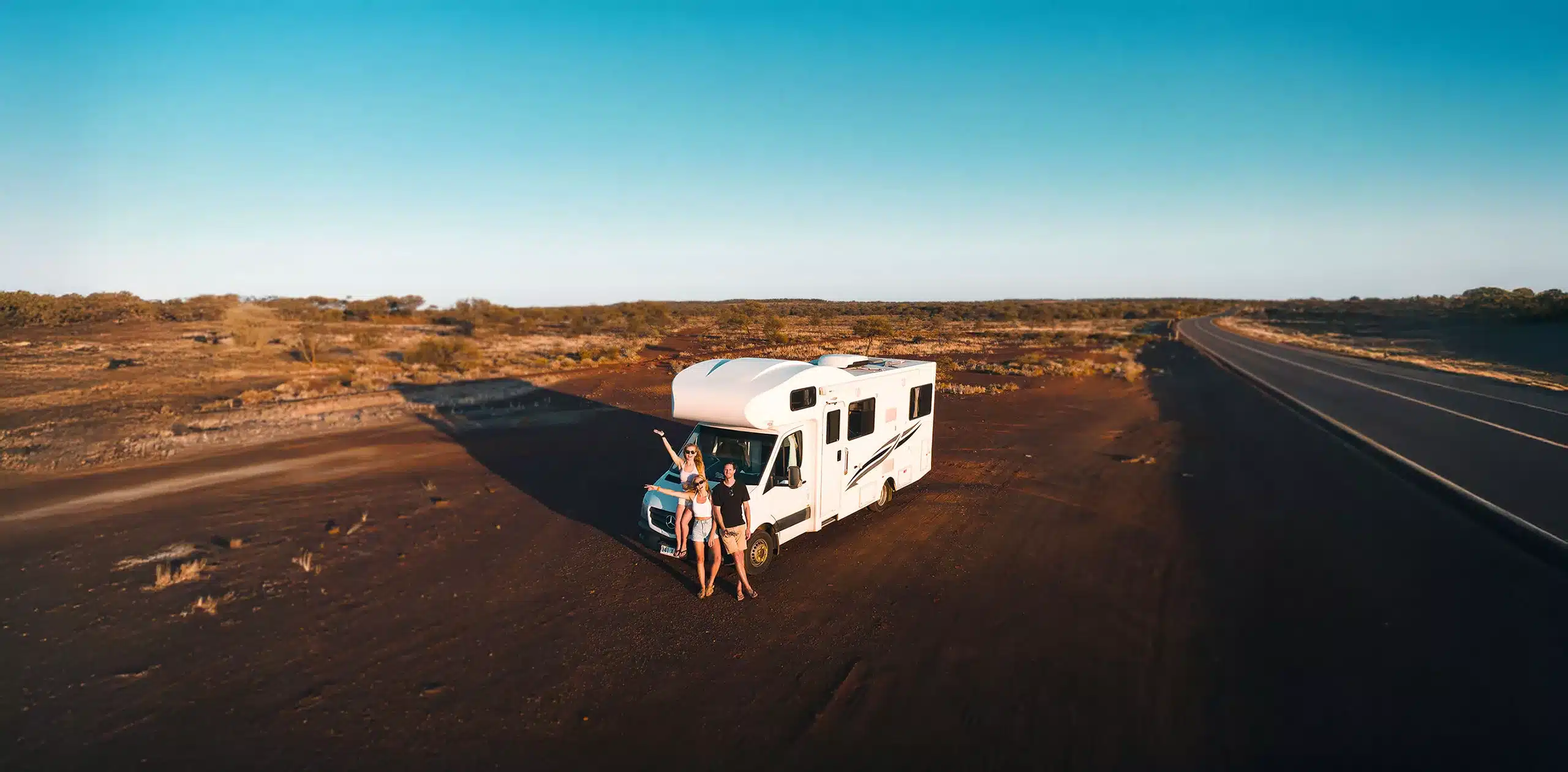
How Long Does the Big Lap Take?
This is probably the most-asked question about the big lap, and the honest answer is that it depends entirely on how you want to travel. Here’s roughly how different timeframes tend to play out:
| Time available | What the journey feels like | What to prioritise | What you’ll likely skip |
|---|---|---|---|
| 6–8 weeks | A fast-moving highlights run | The main coastal route and one or two headline stops per region | Most long detours and slow-travel stops |
| 3 months | A brisk but genuine lap | Main coastal route, plus a handful of shorter detours | Most long remote 4WD routes |
| 6 months | A balanced, well-rounded lap | Major regions plus selected inland detours like the Red Centre | Some remote side trips, if time is tight |
| 12 months | Slow and immersive | A full seasonal route plus major detours (Kimberley, Cape York, Tasmania) | Very little, if you plan around the seasons |
| 18 months+ | A road-based lifestyle | Whatever you want, whenever you want it | Nothing needs to be rushed |
A few things worth knowing before you pick a number. First, driving every day isn’t realistic for most people, and it isn’t much fun either. Even on a tighter timeframe, building in rest days (for laundry, vehicle checks, or just not driving) makes a real difference to how the trip feels. Second, weather and maintenance buffers matter more than people expect. Roads close, plans shift, and a trip with zero slack in the schedule tends to feel stressful rather than freeing.
If you’re working with a shorter window, six to eight weeks is genuinely enough time to do a fast-moving version of the coastal loop, provided you accept you’ll be driving more and lingering less. If you can stretch to three or six months, you’ll get a noticeably more relaxed pace and room for detours. There’s also nothing wrong with splitting the big lap into two or three separate trips over a few years, doing the east coast one year and the west coast, Nullarbor and south the next. Plenty of people do exactly that, often because it fits around work or family commitments better than one long continuous trip.

The Classic Route and Optional Detours
Rather than one prescribed itinerary, it’s more useful to think of the big lap as a core coastal loop with a menu of optional detours you can add depending on your time, vehicle and appetite for unsealed roads.
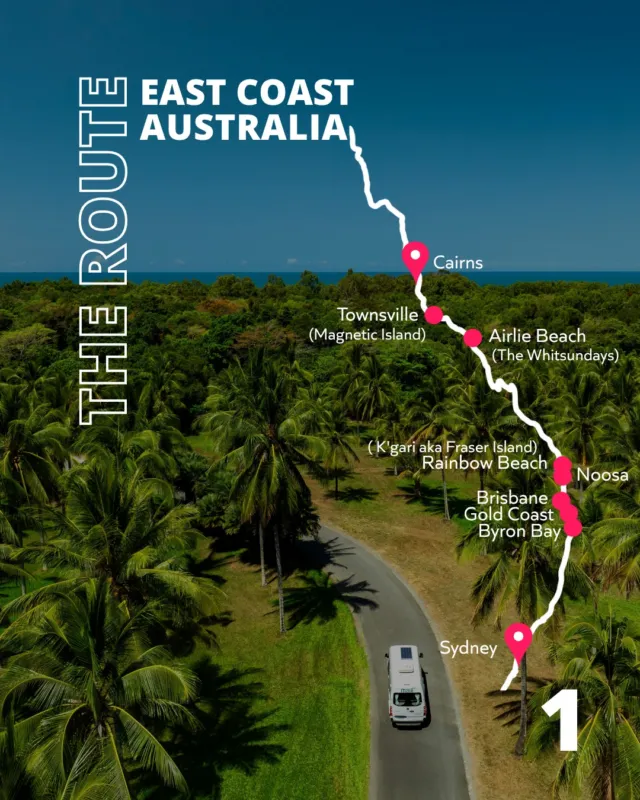
The classic coastal loop, broadly following Highway 1, typically breaks down into these regional legs (in either direction):
- Sydney to Brisbane, via Byron Bay and the NSW North Coast
- Brisbane to Cairns, via the Sunshine Coast, Whitsundays and Townsville
- Cairns to Darwin, via the Gulf Country or inland through Mount Isa
- Darwin to Broome, via Kakadu, Katherine and the Kimberley coast
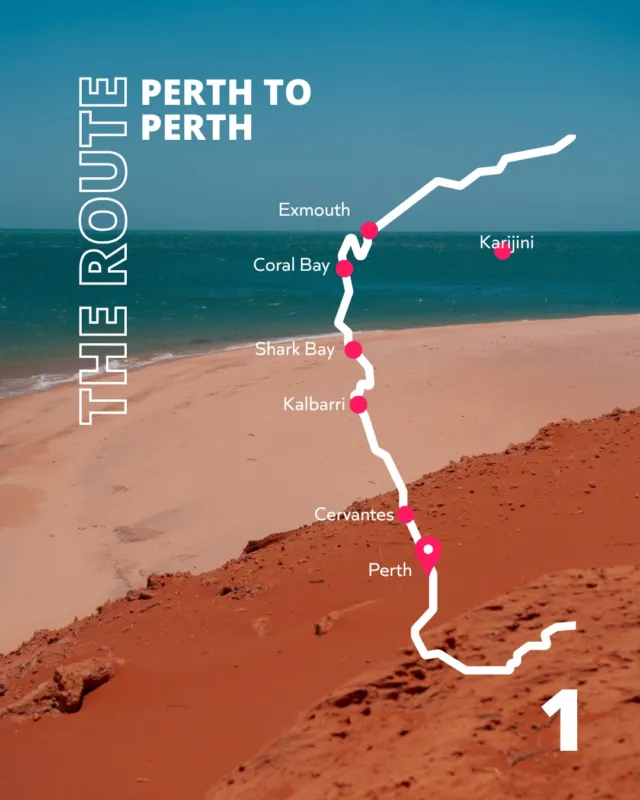
- Broome to Perth, via Ningaloo Reef and Shark Bay
- Perth to Adelaide, across the Nullarbor
- Adelaide to Melbourne, via the Coorong and Great Ocean Road
- Melbourne to Sydney, via the Victorian High Country or Snowy Mountains and Canberra
That’s the backbone most lappers follow. From there, the common detours are:
- The Red Centre. A run inland from either Darwin or Adelaide to take in Uluru, Kings Canyon and the West MacDonnell Ranges. Mostly sealed roads, so it’s accessible in a standard campervan or motorhome, though it does add several days of driving.
- Cape York. The far northern tip of Queensland, well beyond Cairns. This one genuinely requires a 4WD, high clearance and solid preparation, and it’s not something a standard hire campervan will be permitted to attempt. Worth checking hire restrictions carefully if this is on your list.
- The Gibb River Road (the Kimberley). An unsealed route through Western Australia’s Kimberley region, packed with gorges and waterholes. Also 4WD territory, and typically excluded from standard campervan hire agreements.
- The Savannah Way. An alternative inland route across the north, linking Cairns to Broome via the Gulf Country, as an option to the coastal route through Darwin.
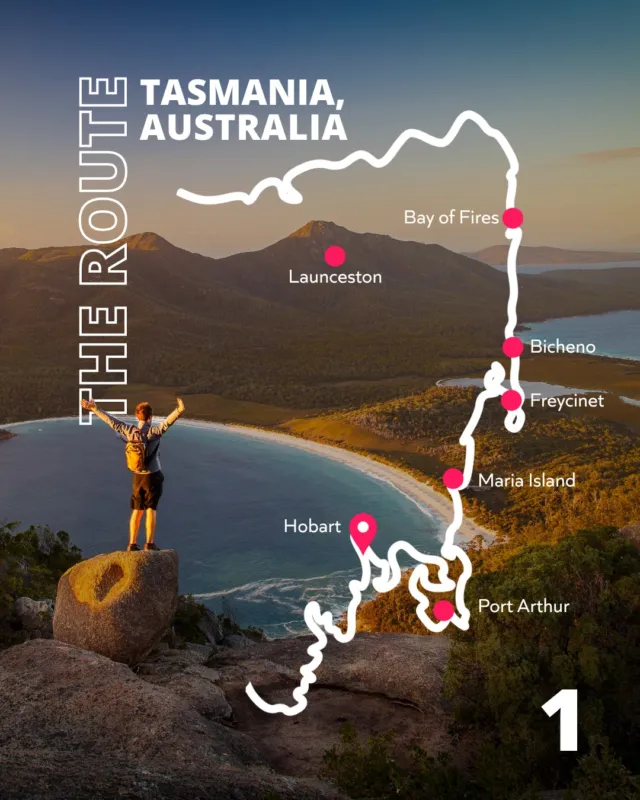
- Tasmania. Not part of the mainland loop, but a common add-on via the Spirit of Tasmania ferry from Melbourne, either partway through the lap or as a separate trip.
If you’re travelling in a hired campervan or motorhome, it’s genuinely worth confirming which of these detours your vehicle is permitted to do before you plan around them. Some hire agreements exclude specific unsealed roads entirely, and it’s a far better conversation to have before you book than halfway through your trip. Our guide to choosing the right camper for your road trip covers this in more detail.

Best Time of Year (and Which Way to Travel)
Australia is big enough that “the best time to go” genuinely depends on where you are and which direction you’re heading, which is why the seasonal planning matters more here than on a typical road trip.
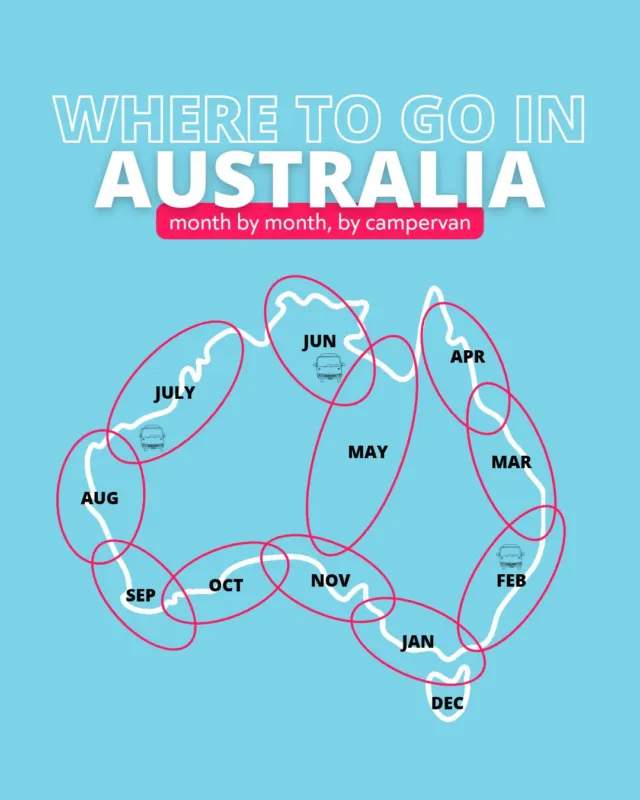
The broad pattern to know: the north of Australia (the Top End, the Kimberley, Far North Queensland) runs on a dry season and a wet season, rather than four seasons. The dry season, roughly May to October, is when the north is most accessible, with clear roads and reliable weather. The wet season, November to April, brings monsoonal rain, flooding, and cyclone risk, which can close roads and river crossings with little warning. Meanwhile, the south of the country runs on a more familiar four-season pattern, with a genuinely cold winter in Victoria, Tasmania and the highlands, and serious heat in the inland and desert regions through summer.
This is where the direction of travel becomes a genuinely practical decision rather than just a preference. A common approach is to plan your route so you’re in the north during its dry season and the south during its milder months, timing your position around the country to avoid the worst of the wet season up top and the most extreme heat inland. If you’re setting off in the cooler months, heading north first to catch the tail end of the dry season, then working your way south as the weather warms, tends to work well. If you’re setting off in the warmer months, the reverse can make more sense.
A few other seasonal factors worth building into your planning:
- Bushfire season typically runs through the southern hemisphere summer in the southern and eastern states, and can affect road access and air quality in fire-prone regions.
- School holidays and public holidays drive up demand at popular caravan parks and campgrounds, particularly along the east coast. Booking ahead matters more during these windows.
- Extreme inland heat through summer makes some of the desert and outback routes genuinely tough going, both for comfort and for vehicle strain.
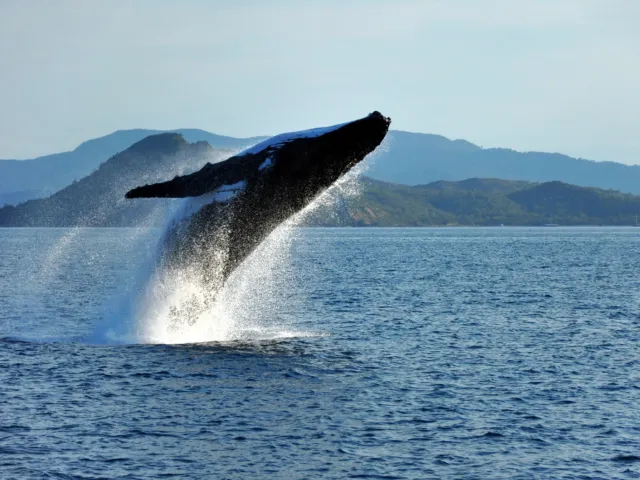
- Whale season (roughly May to November along much of the coast) and various wildlife migrations can be worth timing specific stops around, if that’s a priority for you.
None of this needs to dictate your entire route, but it’s worth sketching out roughly where you expect to be each month and sense-checking it against these patterns before you lock anything in. Our guide to the best times to travel Australia by region goes into more depth here.

Unmissable Destinations and Experiences
There’s no shortage of “must-see” lists for Australia, and trying to hit everything on a single lap is a fast way to turn a relaxed trip into a rushed one. It’s more useful to think in categories, so you can pick what actually matters to you rather than working through an undifferentiated list of fifty attractions.
Essential coastal stops most lappers build their route around include Byron Bay and the Blue Mountains in New South Wales, the Sunshine Coast and Whitsundays in Queensland, Margaret River and the South West in Western Australia, and the Great Ocean Road in Victoria. These sit close to the core route, so they’re easy to include without major detours.
Worth the detour covers places that take you off the direct coastal line but reward the extra driving: the Red Centre (Uluru, Kings Canyon, the West MacDonnell Ranges), Kakadu and Litchfield in the Top End, and the Flinders Ranges in South Australia.
Best beaches and reef experiences lean heavily toward the tropical north: the Great Barrier Reef and Daintree Rainforest around Cairns, K’gari (Fraser Island) off the Queensland coast, and Ningaloo Reef and Coral Bay in Western Australia, where you can swim with whale sharks in season.
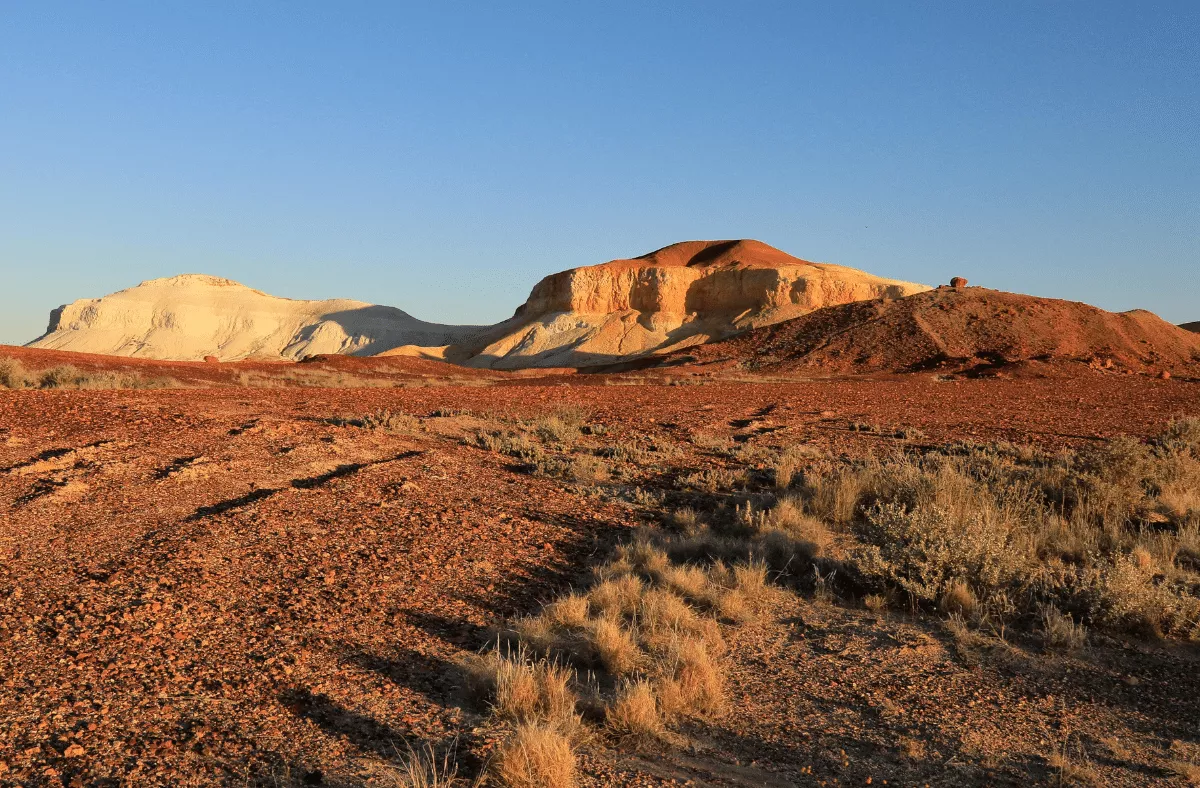
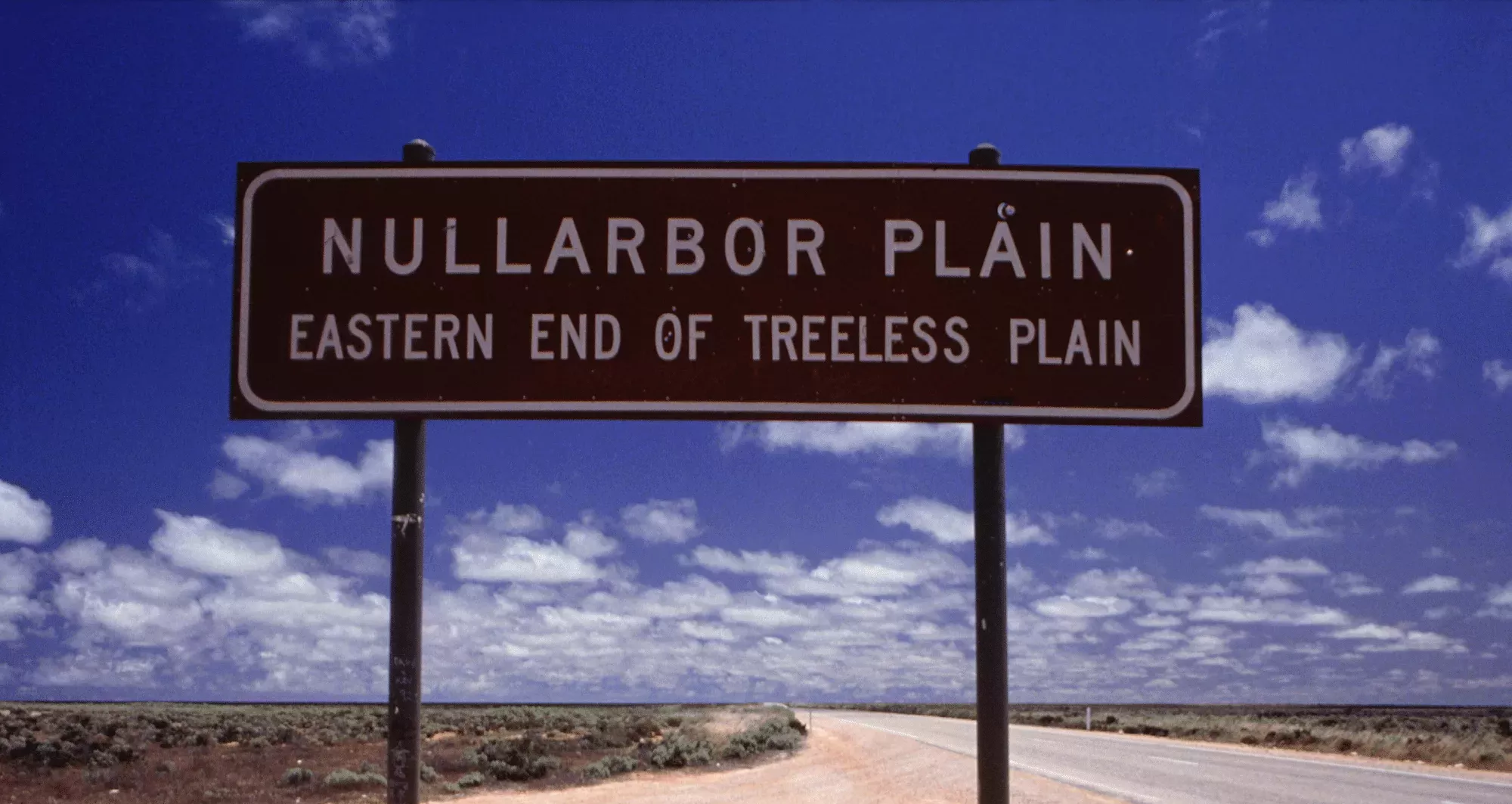
Best outback and remote experiences include the Nullarbor crossing between South Australia and Western Australia, Karijini National Park in the Pilbara, and Coober Pedy’s underground opal-mining town in South Australia. Our outback road trip guide covers the practicalities of this style of driving in more detail.
Places worth slowing down for a week, rather than treating as a quick stop, often include Margaret River (wineries, beaches and forest all within a short drive of each other), the Whitsundays (island-hopping and sailing), and Tasmania generally, if you make the crossing.
4WD-only adventures, for those with the right vehicle, include Cape York, the Gibb River Road and the more remote sections of the Kimberley. These are genuinely rewarding if you’re set up for them, but not something to plan around if you’re in a standard hire campervan.
For a broader, season-by-season breakdown of destinations, our guide to the best places to visit in Australia by location and season is a good next stop, and our roundup of the best road trips in Australia is useful if you’d rather do the lap in shorter, separate legs.

Where You'll Sleep: Accommodation on the Road
Most big lappers use a mix of accommodation types rather than sticking to just one, and getting comfortable switching between them is part of what keeps the trip affordable.
Caravan parks are the most reliable option, especially in busier regions and during peak season. You’ll get power, water, showers, laundry and usually a camp kitchen, and most take bookings in advance, which matters during school holidays and long weekends.
National park campgrounds tend to be simpler and set in genuinely beautiful locations, often with fewer facilities than a caravan park but a much lower cost. Bookings are often required for the more popular ones, particularly around peak wildlife or wildflower seasons.
Free camps and bush camps are a big part of how many lappers keep costs down over a long trip. Legality and facilities vary a lot by state and by specific site, so it’s worth checking before you assume a spot is fine to stay overnight. Apps like WikiCamps are the standard tool most travellers use to find and rate free camps as they go. Our free camping in Australia guide covers the practical side of this properly.
Roadhouses and station stays fill the gaps in more remote stretches, particularly across the Nullarbor, the north and the outback, where there simply isn’t another option for hundreds of kilometres. Facilities are usually basic but functional.
Occasional conventional accommodation (a motel, hotel or Airbnb) is worth budgeting for now and then, particularly after a long stretch of remote camping or if the weather turns genuinely miserable. Most lappers find a night in a proper bed every few weeks makes a real difference to how the trip feels overall.
A realistic mix for most lappers leans toward free and low-cost camping for the majority of nights, caravan parks when you want facilities or you’re in a busier area, and the occasional splurge on comfort. Booking ahead matters far more during peak season and school holidays than it does the rest of the year, when you can often stay flexible and decide your next stop the day before.
What Does the Big Lap Cost?
There’s no single number that works for everyone here, because the cost of a big lap changes enormously depending on your pace, your vehicle, how much free camping you’re comfortable with, and how many activities and tours you add along the way. What’s more useful than one total figure is thinking through the main cost categories and roughly where you sit on each.
Vehicle costs are usually the biggest line item, whether that’s hire costs, fuel, servicing, tyres or (if you’ve bought a vehicle) depreciation. Fuel alone adds up fast over a lap-length distance, particularly in remote areas where prices run noticeably higher than in the cities. Servicing and unexpected repairs are worth budgeting for as a certainty, not a possibility, especially on longer trips.
Accommodation costs vary hugely depending on your mix of free camps, national park sites and caravan parks. A traveller who free-camps most nights and only pays for a powered site occasionally will spend a fraction of someone who books caravan parks every night.
Everyday living costs cover groceries, eating out, laundry, showers where they’re not included in your accommodation, and general day-to-day spending. These tend to be fairly similar to your cost of living at home, though remote grocery stops can run higher than you’d expect.
Extras include national park passes, tours, attractions, ferries (particularly the Tasmania crossing if you’re including it), travel insurance, and communications like a local SIM or satellite communicator for remote stretches.
Rather than one figure, it’s more useful to think in terms of travel style:
- A budget-focused traveller, free-camping most nights, cooking most meals and skipping paid attractions, will spend meaningfully less than someone travelling the same route with more caravan parks and activities.
- A balanced traveller, mixing free camps with regular caravan park stays and the occasional tour or activity, sits somewhere in the middle.
- A comfort-focused traveller, prioritising powered sites, eating out more often and booking activities freely, will spend considerably more, but often travels a shorter overall distance in the same timeframe as a result.
Solo travellers and couples also see quite different totals, since accommodation and vehicle costs are largely fixed regardless of how many people are sharing them, meaning the per-person cost drops noticeably for couples and groups. And a hired vehicle removes a lot of the unpredictable costs (major repairs, depreciation, resale hassle) that come with owning a rig outright, in exchange for a predictable per-day cost. For a sense of what motorhome hire typically involves, our guide on how much it costs to hire a motorhome in Australia is a useful next read, and if you’re weighing up buying versus renting for the trip more broadly, that’s worth working through before you commit either way.

Choosing the Right Vehicle
This is one of the biggest decisions you’ll make, and it genuinely shapes what kind of lap you end up having, so it’s worth thinking through properly rather than defaulting to whatever’s easiest to picture.
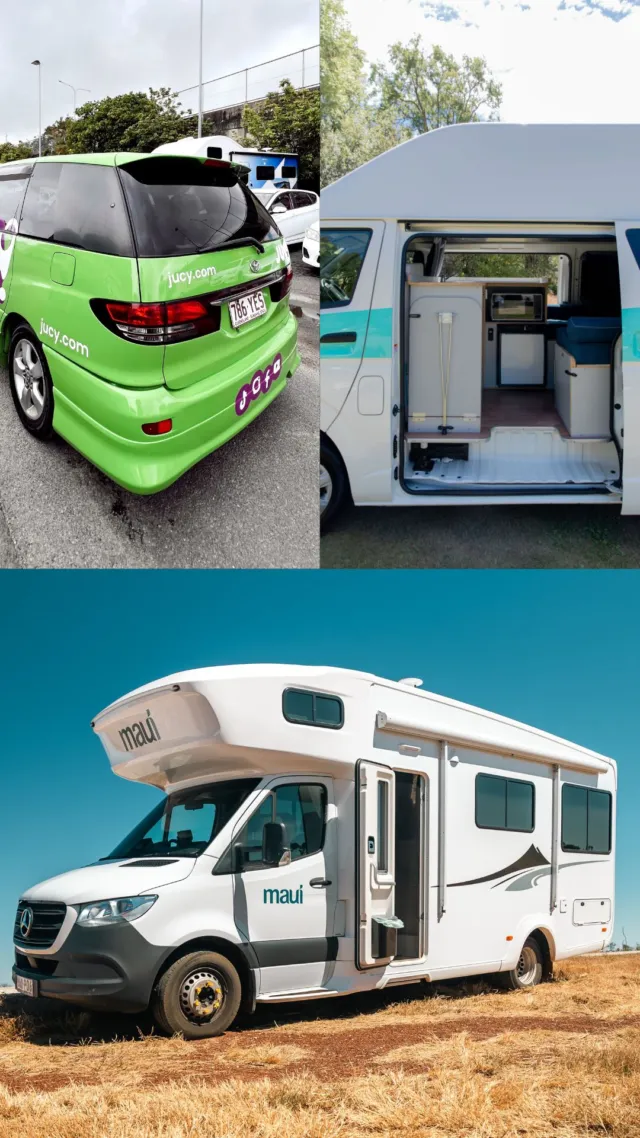
Campervans are the most manageable option for most lappers. They’re easier to drive and park than a full motorhome, more fuel-efficient, and still give you a bed, basic kitchen and enough storage for a long trip. The trade-off is less living space and typically no separate bathroom, though plenty of long-term lappers find they don’t miss it.
Motorhomes step up the comfort considerably, usually with a proper bathroom, more storage and more living space, which matters if you’re travelling as a couple or planning a longer trip. They’re larger to drive and park, use more fuel, and some of the bigger models aren’t suited to narrower outback roads or tighter free camps.
Caravans, towed behind a separate vehicle, offer good living space and the flexibility of being able to unhook and use your tow vehicle for day trips without packing up the whole camp. The trade-off is towing itself, which takes some adjustment if you haven’t done it before, plus the need for a suitably capable tow vehicle.
Camper trailers suit travellers who want to keep the towing vehicle flexible and don’t mind a bit more setup and pack-down each time you move camp. They’re a common choice for those planning more remote or 4WD-heavy detours.
4WD versus 2WD matters mainly if you’re planning genuine unsealed detours like the Gibb River Road or Cape York. If you’re sticking to the classic sealed coastal route and detours like the Red Centre, a well-set-up 2WD campervan or motorhome will get you everywhere you need to go.
A few practical comparison points worth running through before you decide: how comfortable you are driving and parking a larger vehicle, how much living space you actually need for the length of your trip, whether you want a separate toilet and shower or you’re happy using camp facilities, how much off-grid capability matters to you (solar, water tanks, battery capacity), and whether any hire restrictions rule out the detours you’re hoping to do.
If you’re leaning toward hiring rather than buying for the trip, which most lappers do, our guide to finding the best camper for your road trip walks through matching a vehicle to your specific route and travel style, and our guide on how to hire a campervan to travel Australia covers the practical side of the hire process itself.

Planning, Preparing and Staying Safe on the Road
The planning side of a big lap is genuinely more involved than a standard road trip, mostly because of the distances between towns and the amount of time you’ll spend outside mobile coverage. None of it is complicated on its own, it’s just worth having sorted before you leave rather than figuring it out on the road.
Vehicle preparation should be non-negotiable regardless of which vehicle you choose. A full service before departure, a check of tyres (including a spare), and a basic understanding of what to do if something goes wrong are essential for every lap. If you’re planning any remote detours, add a tyre repair kit, a decent set of basic tools, an air compressor and a solid understanding of your vehicle’s fuel and water range. Genuinely serious 4WD routes like Cape York or the Gibb River Road call for a step up again, including recovery gear and rated recovery points, which is worth discussing directly with a specialist if that’s your plan.
Safety on remote roads comes down to a few consistent habits: always know your fuel, water and food reserves before heading into a remote stretch, let someone know your rough route and timing, and be genuinely cautious around dawn and dusk when wildlife is most active on the roads. Road trains are a real consideration in the outback and the north; give them plenty of room and don’t attempt to overtake unless you can see a long, clear stretch ahead. A UHF radio is worth having for communicating with other vehicles and road train drivers in remote areas, and a personal locator beacon or satellite communicator is genuinely worth the investment if you’re heading well off the main highways, given how patchy mobile coverage becomes outside the major towns.
Everyday logistics are the things that catch first-time lappers out more than the big-picture planning does. Offline mapping (since reception isn’t reliable everywhere), a fuel-price app, and a general sense of where your next fuel and water stops are before you set off each day all make a real difference. Some regions also have biosecurity and quarantine rules around moving fruit, vegetables and plant material across state lines, which is worth a quick check before you cross. Staying connected for work or simply keeping in touch with family is its own small project on a trip like this, and our guide on getting internet on a road trip covers the realistic options.
Insurance is worth sorting properly before you leave, both for the vehicle and for yourself. If you’re hiring, understanding what’s actually covered (and what isn’t) matters more on a trip this long than it would on a weekend away, and our campervan hire insurance guide is worth reading before you book. It’s also worth knowing the general parking rules for campervans across Australia, since they vary more by state than most people expect.
Finally, a simple checklist before departure covers you for most eventualities: a full vehicle service, a checked spare tyre, a basic first-aid kit, a fire extinguisher, offline maps downloaded, insurance sorted, and someone at home who knows your rough plan. Our campervan packing list is a useful starting point for everything beyond the vehicle itself.

What the Big Lap Is Really Like
The honest, lived-in version
The trip photos never quite capture the reality, so here’s the more honest version. There are long driving days where the highlight is genuinely just the changing scenery out the window, not a specific attraction. There’s a real adjustment period living in a small space, particularly if you’re travelling as a couple, and most lappers hit a point somewhere in the first few weeks where the novelty wears off and it just becomes daily life for a while, before it settles into something you genuinely enjoy again.
Decision fatigue is real too. After a few months of choosing your next stop, your next campsite and your next meal every single day, plenty of lappers find themselves craving a stretch where someone else makes the decisions. Internet frustration, in the patchier regions, is one of the more consistently mentioned annoyances, particularly for anyone trying to work from the road. And the spaces between the famous destinations, the long straight roads through nothing in particular, tend to become some of the most memorable parts of the trip in hindsight, even though they don’t photograph especially well at the time.
Most people who’ve done it will tell you the same thing: the version of the trip you end up loving is rarely the one you originally planned. Plans shift because of weather, because a place turns out to be better than expected and you want to stay longer, or because you meet other travellers heading somewhere interesting. Building in flexibility from the start makes all of that easier to roll with.
Common mistakes worth avoiding
A few patterns come up again and again with first-time lappers. Rushing the early part of the route is probably the most common, driven by excitement, which often means arriving at the more remote or seasonal sections at the wrong time of year. Underestimating costs, particularly fuel and vehicle running costs in remote areas, is another common one. Choosing a vehicle based on what looks good rather than what actually suits the route and travel style is a third, and it’s worth being honest with yourself here before you commit. And trying to plan every single day in advance tends to backfire, since weather, mechanical issues and simply falling in love with a place all have a habit of reshaping the schedule anyway.
Frequently asked questions
How many kilometres is the big lap of Australia?
The coastal route broadly following Highway 1 is commonly cited at around 14,500 kilometres, though this is worth checking against your specific planned route. Once you add common detours like the Red Centre or Tasmania, your actual total will run well beyond that base figure.
How long does the big lap take?
Anywhere from six to eight weeks for a fast-moving version, through to eighteen months or more for a slow, fully immersive lap with all the major detours included. Three to six months is a common middle ground for travellers wanting a genuinely relaxed pace without an open-ended timeline.
Is the big lap doable in a standard campervan?
Yes, for the classic sealed coastal route and detours like the Red Centre. Genuinely remote unsealed routes like Cape York and the Gibb River Road generally require a 4WD and typically fall outside standard hire agreements, so it’s worth checking restrictions if these are on your list.
What’s the best time of year to start?
It depends on your starting point and direction, since the north runs on a wet and dry season rather than four seasons. Broadly, timing your route so you’re in the north during its dry season (roughly May to October) and in the south during its milder months tends to work well, whichever direction you’re travelling.
Do you need to include Tasmania to count it as a “real” big lap?
No. Tasmania isn’t part of the mainland loop, and plenty of lappers either add it as a ferry crossing partway through, treat it as a separate trip entirely, or leave it out. There’s no official rule either way.
Can you do the big lap without a 4WD?
Yes, for the vast majority of the classic route. A 4WD only becomes necessary if you’re planning specific unsealed detours like Cape York or the Gibb River Road. If you’re sticking to the sealed coastal loop and detours like the Red Centre, a well-set-up campervan or motorhome will cover it.
Whichever version of the big lap you end up planning, the vehicle you choose has more impact on how the trip feels than almost anything else on this list. Hit the button, send us your travel dates, and we’ll help build you a personalised camper deal, matched to the route you’re actually planning and backed by our best price guarantee.
About the Author

with RatPack Travel?

5-Star Google Rated
5-Star Google Rated


Our Customers Say it Best