
Choose your weapon


Your Dates & Locations:
-- > -- -- > -- ---- -- Days
Thanks!
We’re comparing ALL online rates to find you the best campervan deals.
Send us your full name on WhatsApp or Messenger & we’ll do the rest!
.png)

Sit tight
We're finding the best deals for you.
5.0 
3,000+ Google & Facebook reviews

10s
I get asked some version of “where should we take the kids?” more than almost anything else, and my honest answer is always the same: it depends on your kids. A family holiday that’s perfect for a couple with toddlers can be the wrong pick entirely for a family with two teenagers who’d rather hike than build sandcastles. That’s the tricky part of narrowing down the best family holiday destinations in Australia. There isn’t one right answer, just the right answer for your family, this trip, this year.
What I can do is walk you through the destinations that keep earning their place on family itineraries, why they work, who they suit best, and what to actually expect once you’re there. Some of these will be familiar. Others are the kind of pick a friend mentions over coffee that you then can’t stop thinking about.
____________________________________________________
Planning a campervan trip?
Share your travel details and we’ll find you the best van, unlock the best deals, and tailor your perfect road trip.
____________________________________________________
What actually makes somewhere one of the best family holiday destinations in Australia?
It’s tempting to assume the “best” destination is whichever one has the most theme parks or kids’ attractions. In my experience, that’s not quite it. The destinations that get remembered fondly, the ones families actually rebook, tend to get the balance right between something the kids will genuinely love and a holiday the adults can enjoy too.
When I’m sizing up a destination for a family trip, I’m weighing up things like: how much is genuinely age-appropriate for the kids we’re bringing, how easy it is to get around once we’re there, whether the accommodation gives everyone enough space (not just a cot squeezed into the corner of a hotel room), what the swimming or beach conditions are actually like, whether it feels like good value for the length of stay, how much of the day gets eaten up by travel rather than doing anything, and whether there’s enough variety to fill however long we’re staying without everyone running out of things to do by day three.
None of that means the flashiest destination wins. Sometimes the best family holiday is a quieter coastal town with a good playground, a patrolled beach, and nothing much else on the agenda. Sometimes it’s four days at a theme park capital. Both can be “best,” depending on what your family needs right now.

Every family is different, and that's fine
A family travelling with a three-year-old wants something very different from a family with a couple of teenagers, and both are different again from a family chasing wildlife encounters or an easier, slower-paced escape. Rather than pretending there’s a single winner, I’ve tried to flag who each destination particularly suits as we go. If a spot works brilliantly for toddlers but might leave a fourteen-year-old checking out early, I’ll say so.
It’s also worth thinking about the shape of your trip before you lock in a destination. Australia is enormous, and the “best” place on paper doesn’t mean much if you’ve only got five days and half of that disappears into travel. I’ve noted how long each destination is realistically worth, and whether you’re better off flying in and basing yourself there, or building it into a longer drive. For a broader sense of when different parts of the country are at their best, our guide to the best places to visit in Australia by location and season and our Australia travel times guide are worth a look before you commit to dates.
On cost, I’d rather be honest than throw out numbers that will be out of date in six months. What I can tell you is which destinations lean on expensive ticketed attractions, which ones are full of free stuff (beaches, walks, playgrounds, wildlife you don’t have to pay to see), and which ones get noticeably pricier the second Australian school holidays hit. If you have any flexibility at all on dates, travelling just outside peak school holiday weeks tends to make the biggest difference to both cost and how relaxed the whole trip feels.

Beach and reef holidays
Australia’s coastline does a lot of heavy lifting in family travel, and for good reason. These five are genuinely different from one another, so I’ve picked a spread rather than listing every beach town in the country.
Gold Coast, Queensland
The vibe: High energy, theme parks, and a beach right on the doorstep. This is the destination for families who want the day sorted before they arrive, rides ticked off, water parks booked, and a patrolled surf beach to unwind on afterwards.
Best for: Primary-school-aged kids tend to get the most out of this one, though the theme parks cater right through to early teens.
Highlights: Dreamworld, Warner Bros. Movie World, Sea World and Wet’n’Wild give you a solid week of ticketed activities between them, and Surfers Paradise and Broadbeach have patrolled, family-friendly stretches of sand for the days you want a break from queuing.
When to go: Winter (June to August) is popular with families escaping the cold down south, and the weather is genuinely lovely, but it also means higher prices and busier parks. Shoulder months like May or September give you good weather with a bit more breathing room.
How long to stay and getting there: The Gold Coast has its own airport, so it’s an easy direct flight from most capital cities. Four to seven days is enough to cover a couple of theme parks plus beach time without it feeling rushed.
Where to stay: Apartment-style accommodation is everywhere here and works brilliantly for families who want a kitchen and a bit of space, particularly in Surfers Paradise, Broadbeach or Main Beach.
Watch-outs: Theme park tickets add up fast for bigger families, so multi-day or multi-park passes are worth comparing before you book anything individually.
Sunshine Coast and Noosa, Queensland
The vibe: A gentler, more laid-back alternative to the Gold Coast. Noosa in particular suits families who want good coffee, calm water and a walkable town centre over queues and roller coasters.
Best for: Families with toddlers or younger kids who need calmer swimming conditions and a slower pace.
Highlights: Noosa Main Beach is sheltered and patrolled, the Noosa Everglades are an easy half-day paddle for families, and the Australia Zoo (a short drive inland) is a genuine full-day activity that suits almost any age.
When to go: Year-round is workable, though winter and spring offer the most comfortable temperatures for a lot of outdoor time.
How long to stay and getting there: Fly into Sunshine Coast Airport or drive up from Brisbane in under two hours. A week here rarely feels like too much, especially if you’re mixing beach days with Australia Zoo and the hinterland.
Where to stay: Holiday apartments and family resorts line the coast, and the Sunshine Coast Hinterland pairs naturally as a day trip if you want hills, waterfalls and cooler air.
Nearby trips: Noosa combines well with a broader Queensland coastal run if you’re driving, and this whole stretch fits neatly into our ultimate East Coast itinerary if you’re planning something longer.
Cairns, Port Douglas and the Great Barrier Reef, Queensland
The vibe: Tropical, reef-focused, and genuinely once-in-a-generation for a family who wants to actually see the Great Barrier Reef rather than just read about it.
Best for: Families with primary-school-aged kids and up, since a lot of the reef experiences work better once children can comfortably swim and follow instructions in the water. That said, pontoon platforms and glass-bottom boat tours make the reef accessible for younger kids and non-swimmers too, so it’s not off the table for toddlers, it just means choosing the right operator.
Highlights: Reef cruises out of Cairns or Port Douglas, the Daintree Rainforest and Cape Tribulation for a rainforest-meets-reef day trip, and the Cairns Esplanade Lagoon, a free, patrolled swimming lagoon right in town that’s brilliant when you want a swim without stinger or crocodile concerns.
When to go: The dry season, roughly May to October, brings the best weather and calmer reef conditions. Stinger season (roughly November to May) means ocean swimming needs a stinger suit or a stick to the lagoon, so factor that in if you’re travelling over summer.
How long to stay and getting there: Both Cairns and Port Douglas have direct flights from most capitals. A week gives you time for at least one reef day, the Daintree, and enough downtime that the trip doesn’t feel like it’s all logistics.
Where to stay: Port Douglas tends to feel quieter and more resort-like, while Cairns has more budget and self-catering options. Palm Cove, just north of Cairns, is worth considering too if you want a quieter tropical base with easy reef access.
Watch-outs: Reef tours are a genuinely significant cost for a family of four or five, so it’s worth pricing this out early rather than assuming it. For more detail on choosing the right way to experience the reef with kids, our guide to seeing the Great Barrier Reef covers the options.
Whitsundays and Hamilton Island, Queensland
The vibe: Postcard island holiday territory. This is the pick for families who want turquoise water, a resort that does a lot of the entertaining for you, and minimal logistics once you’ve arrived.
Best for: Families who want an easier, more contained holiday, particularly those with a wider age spread of kids, since island resorts generally cater well across age groups with kids’ clubs and multiple pools.
Highlights: Whitehaven Beach, the pure white silica sand and swirling water at the Hill Inlet lookout, and snorkelling straight off many of the resort beaches without needing a full-day boat tour.
When to go: The dry season (May to September) has the most reliable weather. Like the reef further north, stinger season affects unprotected ocean swimming over summer.
How long to stay and getting there: Fly directly into Hamilton Island or Whitsunday Coast Airport (Proserpine). Four to seven days on the island itself is plenty, since much of the appeal is slowing down rather than covering ground.
Where to stay: Hamilton Island has accommodation across a real range of budgets, from family apartments to resort rooms, and being car-free (golf buggies are the local transport) is genuinely popular with families who want a break from driving.
Watch-outs: This is one of the pricier picks on this list, and it leans heavily on resort-based activities rather than free exploring, so it suits families who’ve budgeted for that kind of holiday rather than a shoestring trip. Our Whitsundays guide has more detail on the different islands and how they compare.
K’gari, Queensland
The vibe: Wild, sandy and genuinely different. K’gari (formerly known as Fraser Island) is the world’s largest sand island, and it’s an adventure holiday as much as a beach one.
Best for: Active families with primary-school-aged kids or older who don’t mind a 4WD, some dirt under their nails, and an itinerary built around exploring rather than lounging.
Highlights: Freshwater Lake McKenzie for swimming, Eli Creek for a gentle float, and genuinely good odds of spotting dingoes, though they’re wild animals and food needs to be locked away, not offered.
When to go: Winter through to spring (roughly May to October) is the most comfortable for exploring, with cooler days for 4WD adventures.
How long to stay and getting there: Access is by barge from Hervey Bay or Rainbow Beach, and a 4WD is essential, there’s no getting around on regular roads here. Three to four days is enough to see the highlights without feeling rushed.
Where to stay: Camping and 4WD-accessible campgrounds are part of the appeal for a lot of families, and this is a genuinely good campervan or 4WD hire trip if you’ve got the right vehicle. Our guide to finding the best camper for a road trip in Australia is worth reading before you book, since not every hire vehicle is built for the sand.
Nearby trips: Hervey Bay pairs naturally as a base before or after, and it’s also a well-known spot for whale watching in season if your timing lines up.
City breaks the whole family will enjoy
Not every family holiday needs to be about beaches. These city-based picks bring museums, wildlife, and a bit of everything into easy reach.
Sydney and the Blue Mountains, New South Wales
The vibe: A genuine mix of harbour, beach and city in one trip, with an easy day trip into cooler mountain air if you want a change of scenery.
Best for: All ages, honestly. Sydney is one of the more flexible family destinations on this list, since there’s enough variety to suit toddlers through to teenagers.
Highlights: Taronga Zoo (best reached by ferry, which is half the fun), Bondi to Coogee coastal walk for older kids who can handle the distance, and the Blue Mountains for bushwalks, the Scenic Railway, and noticeably cooler weather in summer.
When to go: Spring and autumn bring the most comfortable weather for a lot of outdoor time. Summer is popular for beaches but can be genuinely hot, especially inland toward the Blue Mountains.
How long to stay and getting there: Sydney has excellent flight connections from everywhere. A week lets you properly split time between the harbour, beaches and a Blue Mountains day trip or overnight.
Where to stay: Apartment accommodation around Darling Harbour or the eastern beaches works well for families wanting space and a kitchen. If you’re driving further afield around NSW afterwards, our guide to the best holiday parks in NSW for families has some solid options.
Watch-outs: Sydney is not a cheap city, and parking in particular can be a genuine cost if you’re driving, so factor that in if you’re not relying on public transport.
Melbourne and Phillip Island, Victoria
The vibe: A walkable, laneway-and-café city paired with one of the most reliable wildlife experiences in the country.
Best for: Families who want a city with genuine culture and food alongside a nature experience that doesn’t require a long drive.
Highlights: The free trams around the city centre make getting around with kids easier than in most Australian cities, the Melbourne Museum and Scienceworks are excellent wet-weather options, and the Little Penguin Parade on Phillip Island, watching penguins waddle ashore at dusk, is the kind of thing kids talk about for years.
When to go: The penguin parade runs year-round, though Melbourne’s weather is famously changeable, so packing layers regardless of season is a genuinely good habit here.
How long to stay and getting there: Melbourne Airport has strong connections nationally and internationally. Phillip Island is around a two-hour drive from the city, so it works well as an overnight add-on rather than a full separate trip.
Where to stay: City apartments suit the Melbourne leg well, and if you’re continuing on toward the Great Ocean Road or further into regional Victoria, our guide to the best caravan parks in Victoria is a good next stop.
Watch-outs: The penguin parade books out, especially over school holidays, so it’s worth reserving ahead rather than turning up on the day.
Canberra, Australian Capital Territory
The vibe: Often overlooked for family travel, which is a shame, because it’s genuinely one of the easiest, most education-friendly city breaks in the country.
Best for: Families with primary-school kids and up who enjoy hands-on museums, and anyone travelling with grandparents, since a lot of Canberra’s attractions are flat, accessible and free.
Highlights: The National Dinosaur Museum, Questacron (the National Science and Technology Centre) for hands-on exhibits, and Lake Burley Griffin for an easy bike ride or paddle.
When to go: Autumn brings the famous Floriade festival and mild weather, though winter mornings can be genuinely cold if you’re not prepared for it.
How long to stay and getting there: Canberra Airport has direct flights from the major capitals, or it’s a comfortable three-hour drive from Sydney. Three to four days covers the main attractions without feeling stretched.
Where to stay: Canberra has plenty of family-friendly apartment and motel options close to the main attractions, most of which are within a compact, easy-to-navigate area.
Watch-outs: Almost everything worthwhile here is a national institution rather than a beach or theme park, so it suits families genuinely interested in that kind of day out rather than those chasing swimming and sand.

Wildlife and nature adventures
For families who’d rather build a holiday around animal encounters than theme parks, these two are hard to beat.
Kangaroo Island, South Australia
The vibe: One of the best wildlife experiences in the country, with kangaroos, koalas, sea lions and echidnas all genuinely likely sightings rather than lucky ones.
Best for: Families who love nature and don’t mind a bit of driving between sights, this island rewards a slower, self-drive pace.
Highlights: Seal Bay for guided walks among wild sea lions, Flinders Chase National Park for the Remarkable Rocks and Admirals Arch, and genuinely good odds of spotting koalas in the wild without a zoo in sight.
When to go: Spring and autumn bring comfortable temperatures for exploring, and wildlife tends to be more active in the cooler parts of the day year-round.
How long to stay and getting there: Reached by ferry from Cape Jervis or a short flight from Adelaide. A car is essential once you’re there, distances between sights are bigger than they look on the map, so three to four days gives you enough time without long driving days back to back.
Where to stay: This is genuinely strong campervan territory, self-driving between wildlife sites at your own pace suits families with kids far better than a tightly scheduled tour. For general ideas on where wildlife tends to show up around the country, our guide to spotting wildlife in Australia is worth a browse.
Watch-outs: There’s limited public transport on the island, so this isn’t the pick if you’re hoping to go car-free.
Rottnest Island, Western Australia
The vibe: Car-free, bike-friendly and famous for one very photogenic resident: the quokka.
Best for: Families with primary-school kids who can handle a day of cycling, and anyone wanting an easy, low-stress day trip or short stay from Perth.
Highlights: Quokka selfies (they’re genuinely curious and approachable, though it’s best not to touch or feed them), snorkelling at the Basin, and cycling the island’s flat, well-marked trails.
When to go: Spring through to autumn offers the most comfortable cycling and swimming weather.
How long to stay and getting there: A ferry from Fremantle or Perth gets you there in under an hour. This works brilliantly as a single day trip, or two to three days if you want a proper island stay without the crowds of a day-tripper’s timetable.
Where to stay: No cars are allowed on the island, so accommodation, bikes and a bit of walking are how you get around, which a lot of families find genuinely refreshing after a driving-heavy trip.
Watch-outs: Day-trip crowds can make the popular bays and the ferry itself busy in peak season, so an early ferry or a longer stay both help you get ahead of it.

Road trip country
This is where RatPack’s own experience comes in most directly. These three destinations are built for a campervan, whether that’s the whole point of your trip or the best way to see it properly.
Great Ocean Road, Victoria
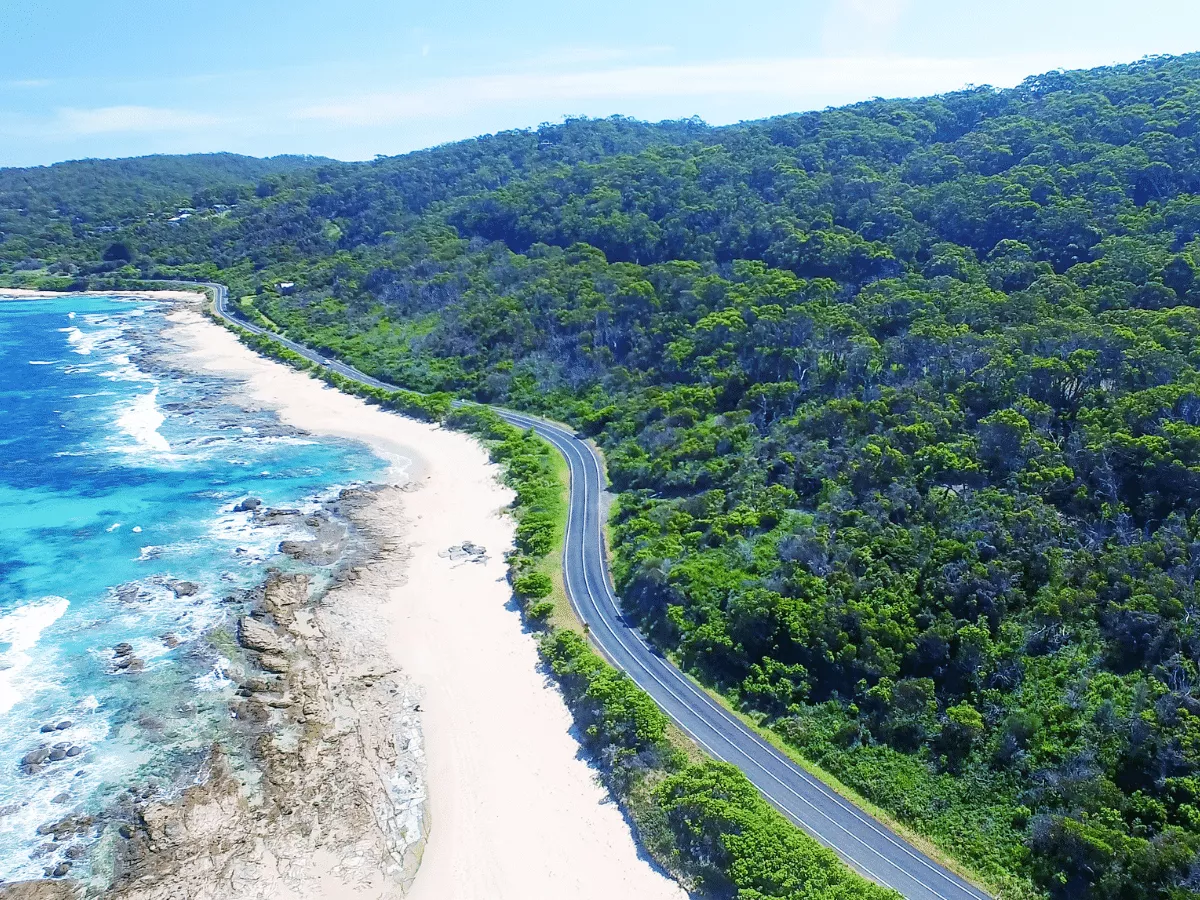
The vibe: One of the most iconic road trips in the country, and a genuinely brilliant one to do as a family, provided you pace it properly.
Best for: Families with kids old enough to handle a few hours in the car between stops, broken up by beaches, walks and wildlife.
Highlights: The Twelve Apostles, Loch Ard Gorge, koala spotting around Kennett River (genuinely one of the more reliable wild koala sightings in the state), and Bells Beach if anyone in the family surfs or wants to watch.
When to go: Summer brings the warmest swimming weather, though this stretch of coast can be windy and cooler than you’d expect even in the warmer months, so pack layers regardless of season.
How long to stay and getting there: Starts around ninety minutes from Melbourne. Three to four days lets you drive the full stretch without long, tiring days behind the wheel, stopping regularly to let kids stretch their legs.
Where to stay: This is a genuinely excellent campervan route, short driving days, plenty of caravan parks along the way, and the flexibility to stop whenever the kids need a break. Our Great Ocean Road guide breaks the route down stop by stop, and our campervan hire in Australia page is a good place to start comparing vehicles.
Watch-outs: It’s a winding coastal road, so anyone prone to car sickness will do better with regular stops rather than long uninterrupted stretches.
Tasmania
The vibe: Cooler, greener and slower-paced than mainland Australia, with genuinely excellent food, wildlife and scenery packed into a manageable-sized island.
Best for: Families who want nature and wildlife without extreme heat, and who don’t mind a self-drive itinerary.
Highlights: Cradle Mountain for accessible walks with genuinely spectacular scenery, Wineglass Bay in Freycinet National Park, Bonorong Wildlife Sanctuary near Hobart for hands-on animal encounters, and Bruny Island for a quieter, slower day trip.
When to go: Summer (December to February) is the most comfortable for hiking and outdoor time, though Tasmania stays pleasant well into autumn.
How long to stay and getting there: Fly into Hobart or Launceston, or bring a vehicle over on the Spirit of Tasmania ferry from Melbourne if you’re already road-tripping. A week to ten days does the island justice without feeling rushed.
Where to stay: Tasmania is widely considered one of the best campervan destinations in the country, and Tourism Australia specifically highlights it as suited to a family campervan adventure. Caravan parks are well set up and distances between towns are manageable for kids. Our Tasmania East Coast road trip itinerary is a solid starting point for planning the route.
Watch-outs: Weather can turn quickly, even in summer, so it pays to have a wet-weather backup plan (museums, indoor pools, the wildlife sanctuary) for at least part of the trip.
Margaret River and the South West, Western Australia
The vibe: Beaches, caves, forest and food all within a fairly compact region, a genuinely well-rounded family road trip.
Best for: Families who want a bit of everything, adventure for the kids and food and wine for the adults, without needing to cover huge distances.
Highlights: Ngilgi Cave and Mammoth Cave for an easy underground adventure, whale watching in season off the coast, and the Busselton Jetty, one of the longest wooden jetties in the world, complete with an underwater observatory.
When to go: Spring brings whale migration and wildflowers, while summer is best for beach time, given the region’s excellent, uncrowded stretches of coast.
How long to stay and getting there: Around a three-hour drive south of Perth. Four to six days covers the region comfortably, including day trips further along the coast.
Where to stay: This region works well as either a base-and-day-trip stay or a short self-drive loop, and it pairs naturally with a broader Western Australia road trip if you have more time. Our Western Australia road trip guide is worth reading if you’re considering extending further north toward Ningaloo or Exmouth.
Watch-outs: Some of the best beaches here are surf beaches rather than calm swimming spots, so it’s worth checking conditions before assuming every stretch of sand is toddler-friendly.
Outback and Red Centre
For families chasing something genuinely different from a coastal escape, these three take you into the heart of the country.
Uluru and the Red Centre, Northern Territory
The vibe: A profound, culturally significant landscape that Tourism Australia specifically frames around First Nations culture and outdoor adventure, rather than a typical “attraction.”
Best for: Families with primary-school kids and up who can engage with the cultural stories and handle a bit of heat and walking. It’s a meaningful trip for younger kids too, just with more support needed around the heat and longer walks.
Highlights: The Uluru base walk, guided walks with Aboriginal rangers sharing Anangu culture and stories, and the Field of Light installation for an evening that genuinely holds kids’ attention.
When to go: Autumn through to spring (April to September) is far more comfortable than summer, when daytime temperatures regularly climb into the high thirties and beyond, making midday walks genuinely tough with young kids.
How long to stay and getting there: Fly into Ayers Rock Airport, or drive if you’re combining it with a broader Red Centre or Northern Territory road trip. Three to four days is enough for the main sights at a comfortable pace.
Where to stay: Yulara, just outside the national park, has the main range of family accommodation, from camping through to apartments. Before you go, our guide on everything you need to know before visiting Uluru covers a lot of the practical detail worth knowing in advance.
Watch-outs: Sun and heat protection are non-negotiable here, and flies can be persistent in warmer months, a head net sounds excessive until you’re using one.
Kakadu and the Top End, Northern Territory
The vibe: Adventure, culture and genuinely spectacular scenery, built around gorges, wetlands and First Nations heritage rather than typical tourist attractions.
Best for: Adventurous families with primary-school kids and up, particularly those comfortable with a self-drive itinerary and a bit of heat.
Highlights: Nourlangie and Ubirr for ancient rock art, Yellow Water Billabong cruises for genuinely reliable crocodile and bird sightings, and nearby Litchfield National Park, often considered a slightly easier, more family-friendly nature stop alongside Darwin, with swimming holes that are open seasonally. Katherine and Nitmiluk Gorge, a bit further along, add spectacular gorge cruises and walks if you’re extending the trip.
When to go: The dry season (May to October) is when most of Kakadu is accessible and comfortable. The wet season floods many roads and closes swimming spots, so it’s genuinely worth planning around the dry months for a family trip.
How long to stay and getting there: Fly into Darwin and drive from there, roughly three hours to Kakadu’s entrance. Four to five days covers Kakadu properly, with Litchfield either on the way or as a separate overnight.
Where to stay: Camping and caravan parks are well established through the region and this is a strong self-drive or campervan trip in the dry season. Mataranka, with its warm thermal pools, makes a memorable stop if you’re continuing the drive further south.
Watch-outs: Crocodile safety is genuinely serious business here, swimming is only ever in designated, checked spots, never in rivers or billabongs regardless of how inviting they look.
Winton and the Queensland Dinosaur Trail
The vibe: A less predictable pick, and a genuinely brilliant one if you’ve got a dinosaur-obsessed kid who’s outgrown the local museum.
Best for: Families with dinosaur-mad kids roughly primary-school age, and anyone wanting an outback road trip with a clear, kid-driven purpose.
Highlights: The Australian Age of Dinosaurs museum, home to some of the country’s most significant fossil finds, and the Dinosaur Stampede National Monument at Lark Quarry, the site of the only known evidence of a dinosaur stampede in the world.
When to go: Winter (June to August) brings far more comfortable outback temperatures than summer.
How long to stay and getting there: This is genuinely a road trip destination rather than a fly-in stop, it sits deep in outback Queensland, well suited to a longer self-drive itinerary rather than a quick weekend. Two to three days covers the main sights once you’re there.
Where to stay: Caravan parks are the norm here, and this suits a longer outback road trip far better than trying to squeeze it into a short break.
Watch-outs: Distances between towns are genuinely significant, so this only makes sense as part of a longer outback itinerary with proper fuel, water and supply planning, not a spontaneous side trip.

Resort, holiday park, apartment or campervan?
The right accommodation style depends a lot on your family, not just the destination. Resorts with kids’ clubs and multiple pools genuinely earn their price tag if you want some downtime while the kids are entertained elsewhere, but they’re not the only way to have a great trip. A simpler apartment or holiday park, with a kitchen, some outdoor space and a pool, often gives just as much genuine enjoyment for a lot less money, especially if the destination itself (a beach, a national park, a wildlife reserve) is doing most of the entertaining.
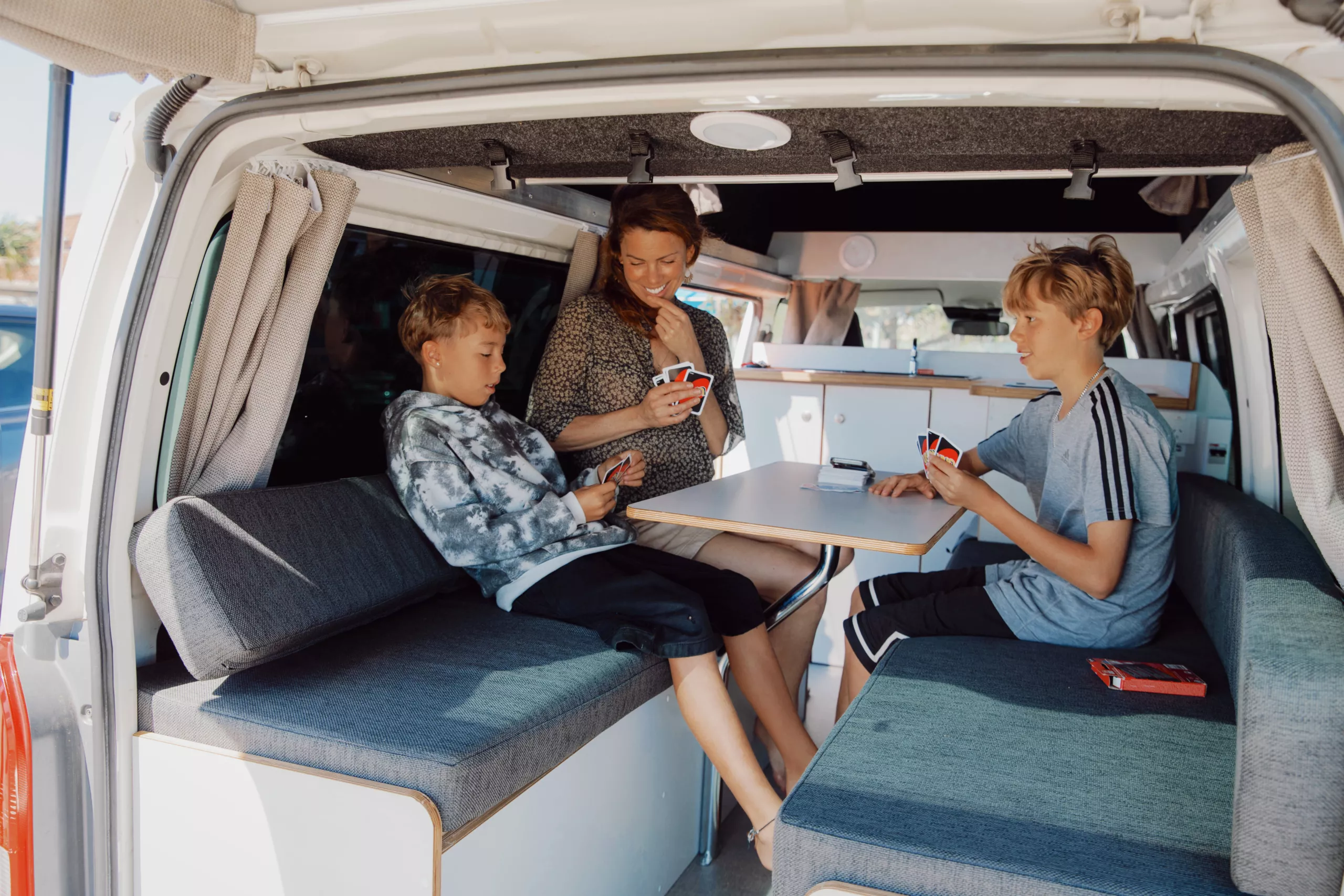
For bigger families, three or more kids, or trips with grandparents along, self-catering options tend to make more sense than a standard hotel room. Interconnecting rooms, multi-bedroom apartments and cabins all give people their own space to actually relax, and a campervan does something similar on wheels, everyone’s sleeping arrangement, kitchen and bathroom travelling with you, no unpacking and repacking at every stop. For road trip-style destinations like the Great Ocean Road, Tasmania or the Top End, it’s genuinely one of the easiest ways to travel with kids, since it cuts out a lot of the usual transfers and lets you stop the second someone needs a break.

Common questions about family holidays in Australia
How far ahead should we book? Popular destinations, particularly theme park regions and island resorts, get noticeably more expensive and busier during Australian school holidays. Booking three to six months ahead gives you the best range of accommodation and prices for peak periods. If your family has some flexibility, travelling in the two or three weeks either side of school holidays tends to give a genuinely better balance of good weather and lower prices.
Which destinations work well if we can only travel during school holidays? Regional and self-drive destinations like Tasmania, Kangaroo Island or the Great Ocean Road tend to absorb crowds better than concentrated hotspots like the Gold Coast or Whitsundays, simply because visitors are spread across a bigger area rather than one strip of coastline.
Is the Great Barrier Reef suitable for young kids? Yes, with the right approach. Younger children and non-swimmers can experience the reef through pontoon platforms, glass-bottom boats and semi-submersible tours rather than full snorkelling trips, so it’s worth choosing an operator based on your kids’ ages and swimming ability rather than assuming the reef is only for older children.
What about teenagers? Teens generally respond better to destinations with something more active on offer, hiking, snorkelling, surfing, kayaking or 4WD adventure, rather than traditional kids’ clubs and playgrounds. Tasmania, the Great Ocean Road, K’gari and Margaret River all give older kids something more substantial to get their teeth into.
Can you have a car-free family holiday? Yes. Rottnest Island and Hamilton Island are both genuinely car-free, and cities like Sydney and Melbourne have strong enough public transport that a hire car isn’t essential if you’re mainly staying within the city itself.
What about babies and toddlers? Destinations with calmer swimming conditions, shorter travel times and a slower overall pace, think Sunshine Coast, Rottnest Island or a shorter regional road trip, tend to suit younger children best. Keeping driving days realistic (a few hours rather than a full day behind the wheel) makes a genuine difference to how smoothly the trip goes.

Ready to plan the trip?
However you land on your shortlist, the destinations that suit road trips and self-drive itineraries, Tasmania, the Great Ocean Road, K’gari, Kangaroo Island, the Top End, are all genuinely well suited to a campervan, and it’s an easy way to simplify a family trip rather than complicate it. Our team have been there and done it, and we’re here to give you real, practical advice on the right vehicle and route for your family, not just a booking.
If you’d rather skip comparing every option yourself, send us your dates and we’ll build you a personalised camper deal for your trip, best price guaranteed. Get in touch with the team and we’ll take it from there.
About the Author

with RatPack Travel?

5-Star Google Rated
5-Star Google Rated


Our Customers Say it Best