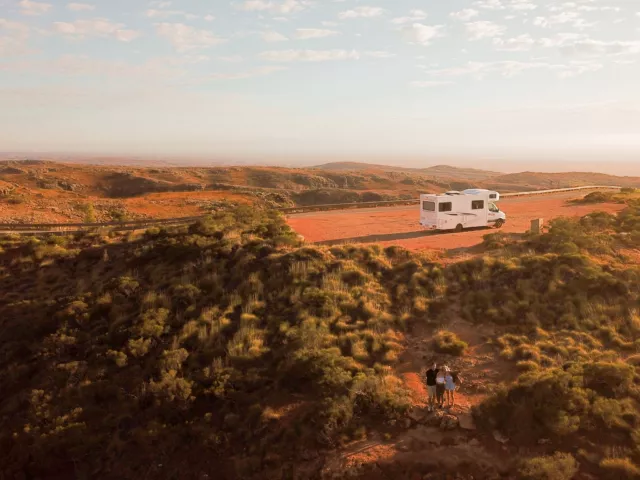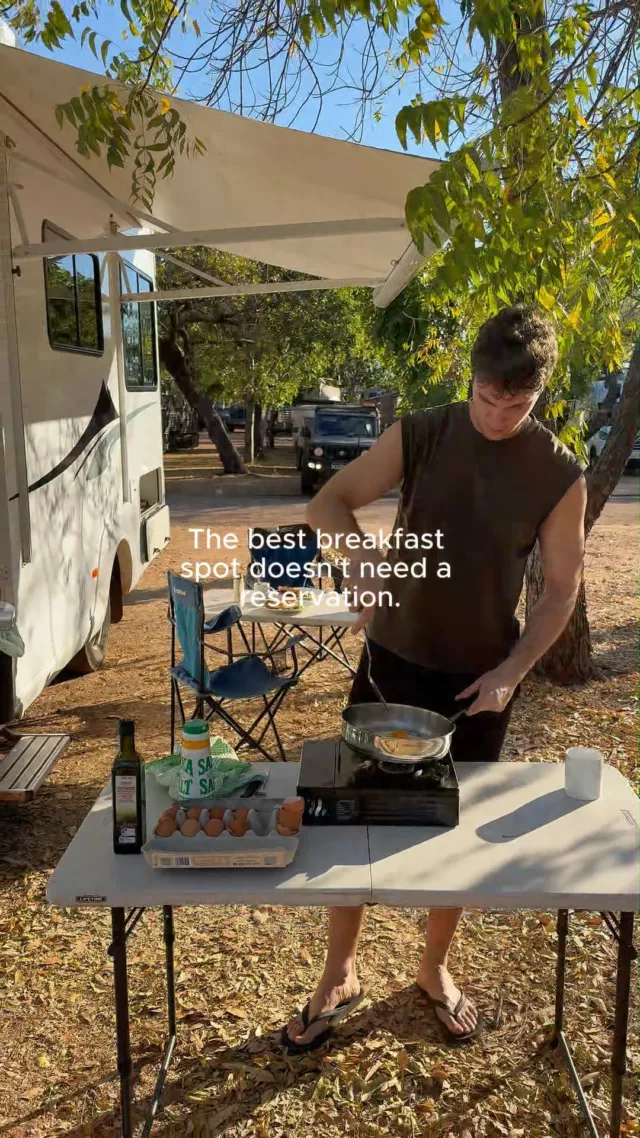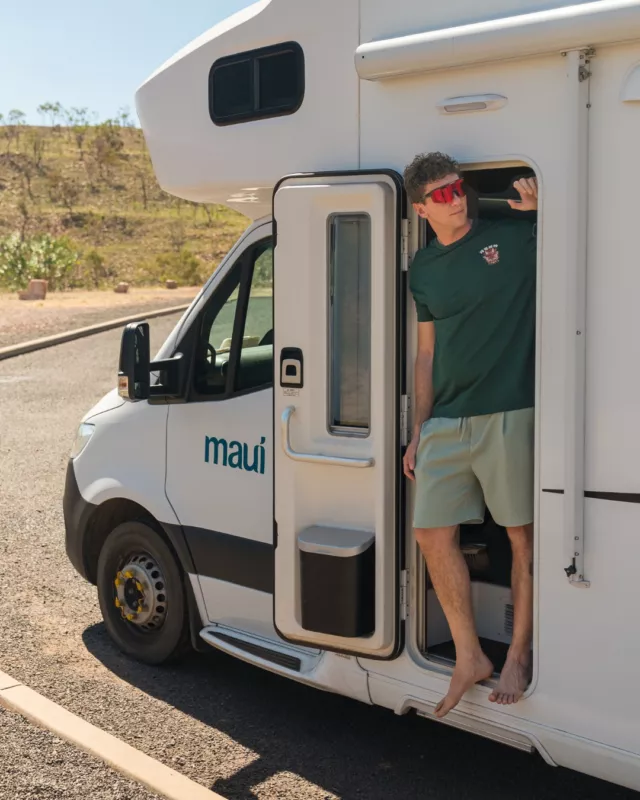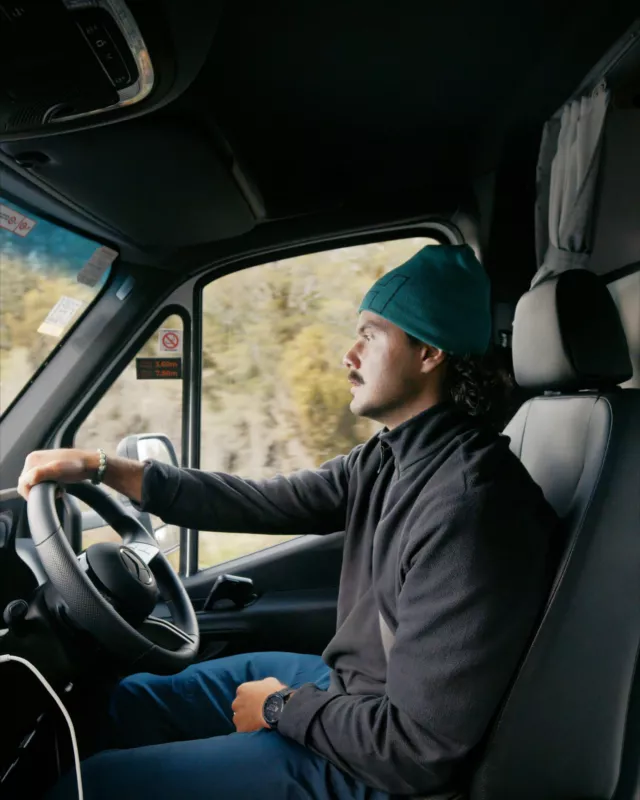
Most travel guides for over 60s read like they were written by someone who thinks retirement means sitting still. Luxury spas. Guided bus tours. Hotel buffets. There’s nothing wrong with any of that, but if you’ve spent decades working towards the freedom to travel on your own terms, you probably want more than a window seat on someone else’s schedule.
Australia is a country built for self-directed exploration, and the best places to travel in Australia for over 60s aren’t just the famous postcards, they’re the places where you can stop when something catches your eye and wake up somewhere completely different tomorrow. A campervan or motorhome gives you that kind of control. No check-in times, no rigid itineraries, and no tour guide rushing you past the thing you actually wanted to see.
Every spot here has been chosen with a self-drive mindset: we’ve considered road access, parking for larger vehicles, walking track conditions, and nearby amenities. Because knowing a place is spectacular is only half the picture, you also need to know you can actually get there comfortably.
If you’re still figuring out which type of vehicle suits your trip, our guide to choosing the right camper for your road trip is a good place to start.
Before You Hit the Road: Planning Tips for Over 60s
Before we get into the destinations, there are a few things worth thinking about that’ll make your trip smoother from day one.
Give Yourself More Time Than You Think You Need
This is the single biggest advantage you have over every other traveller on the road. You’re not cramming two weeks of leave into a frantic dash between highlights. If you’ve got a month, or two, or three, use that time wisely. Spending four or five days in one region instead of one lets you actually experience a place rather than just tick it off. It also means shorter driving days, time to rest when you need to, and the flexibility to wait out a day of bad weather without your whole itinerary falling apart.
A good rule of thumb: plan for no more than three to four hours of driving on any given day. That still covers a lot of ground across a week, and it leaves room for the roadside detours that often end up being the highlight of the trip.
Understand the Seasons and Plan Your Route Around Them
Australia’s climate varies enormously depending on where you are and when. The tropical north (think Kakadu, the Kimberley, Far North Queensland) is best between May and October – the dry season. Head up there in January and you’ll hit extreme heat, humidity, and road closures from wet season flooding.
The southern states (Victoria, Tasmania, South Australia) are most comfortable from October through April, though autumn (March to May) is often the sweet spot – warm days, cooler nights, fewer crowds.
If you’re planning a big lap or a long-distance trip, design your route to follow the good weather. Many experienced road trippers head north in the Australian winter and south in summer. Our guide to the best travel times in Australia breaks this down in more detail.
Don’t Let Remoteness Put You Off
There’s a persistent worry about driving a campervan into remote parts of Australia, and it’s worth addressing directly. Modern Australian highways and major tourist routes are well-maintained, well-signed, and covered by mobile reception for most of their length. Fuel stops are more frequent than people expect, and regional towns are well-equipped with supermarkets, medical services, and mechanical help.
That said, preparation matters. Carry more water than you think you’ll need. Download offline maps. Let someone know your rough itinerary. And if you’re heading into more remote areas, our tips on staying connected on a road trip and practical survival tips for campervan living cover the essentials.
Know Your Vehicle and Its Limits
A standard 2WD campervan or motorhome will get you to the vast majority of destinations in this guide. Where a place requires 4WD access, we’ve flagged it and suggested alternatives, like parking up and joining a guided tour instead. If you’re new to campervan travel, it’s worth spending the first day getting comfortable with the vehicle in a quieter area before tackling busy city traffic or narrow roads.
Knowing parking rules and regulations will also save you from unnecessary fines or awkward late-night knocks on the window.
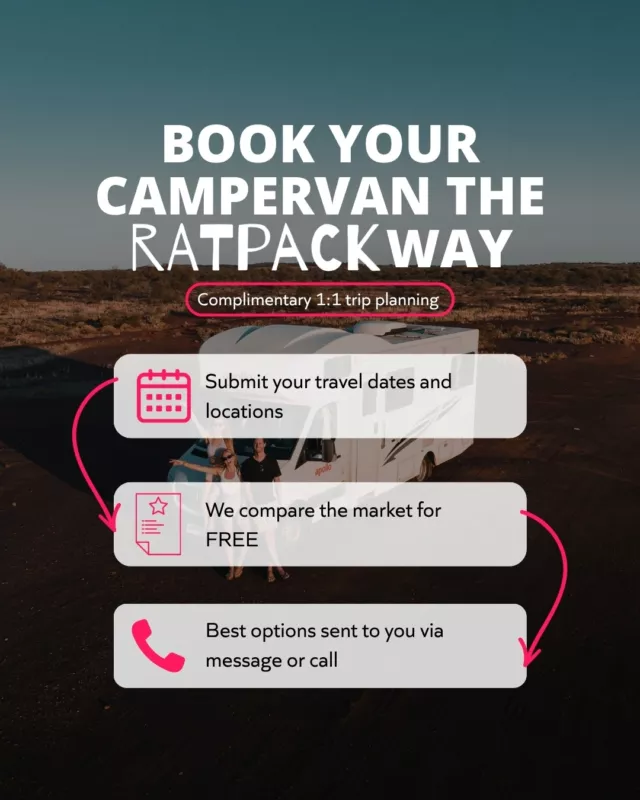
Ready to start planning your trip? Send us your travel dates and we’ll put together a personalised camper deal, tailored to your route, your comfort level, and your budget. With the best price guarantee, every time.

The Classic Destinations (With a Self-Drive Twist)
These are the places that appear on every Australian travel list for good reason. But instead of the standard “visit Uluru and see the reef” advice, here’s how to experience each one as an independent, active traveller.
Uluru and the Red Centre, Northern Territory
There’s a reason Uluru sits at the top of virtually every Australian travel list. Seeing it in person, the way it changes colour through the day, the sheer scale of it against flat desert is genuinely unlike anything else.
But here’s what most guides don’t tell you: the best way to experience Uluru isn’t from a sunset viewing platform with two hundred other people. It’s on the base walk. The full loop is 9.4 kilometres on a flat, sealed path, and you can break it into shorter sections if you’d rather take it at your own pace. The southern side is quieter, shadier in the morning, and home to waterholes and rock art that most visitors never see.
Kata Tjuta (the Olgas), about 30 minutes’ drive west, is equally impressive. The Valley of the Winds walk is more challenging with some elevation, but the shorter Walpa Gorge walk is flat and leads between two massive domed rock formations – a powerful, easy walk.
Campervan logistics: The roads from Alice Springs to Uluru are fully sealed and suitable for any size vehicle. The Ayers Rock Resort area has a well-equipped caravan park with powered sites, dump points, and a camp kitchen. Fuel and supplies are available but more expensive than in town, so stock up in Alice Springs.
Route integration: This slots naturally into a Red Centre and outback road trip. For more detail on planning your visit, see our complete guide to visiting Uluru.
The Great Barrier Reef, Queensland
The reef is extraordinary, but how you access it makes all the difference. Flying into Cairns and jumping on a large catamaran to a platform in the outer reef is the standard experience, and for many people, the two-hour boat ride out (and back) is the least enjoyable part.
A better approach for a self-drive trip: work your way up the coast from Airlie Beach or Mission Beach towards Port Douglas, stopping at the smaller reef towns along the way. Port Douglas is the standout. The reef is closer to shore here, meaning shorter boat trips. Low Exertion reef experiences include glass-bottom boats, semi-submersible tours, and even snorkelling from calm, shallow platforms where you can ease in at your own speed.
If you’d rather stay dry, the Cairns Aquarium and Reef HQ in Townsville both offer world-class close-up views without getting on a boat at all.
Campervan logistics: The Bruce Highway up the Queensland coast is fully sealed and well-serviced. Caravan parks in Port Douglas, Mission Beach, and Airlie Beach all cater to larger vehicles. The road from Cairns to Port Douglas is one of the most scenic coastal drives in the country.
Route integration: Read our guide on how to see the Great Barrier Reef for a full breakdown of options.
The Great Ocean Road, Victoria
This is one of Australia’s most famous drives, and it earns every bit of that reputation. The 243-kilometre stretch between Torquay and Allansford follows cliff-top roads with constant ocean views, passes through quiet surf towns, and leads to the Twelve Apostles. Those famous towering limestone stacks rising out of the Southern Ocean that we all know.
Where this guide differs from the standard advice: don’t just drive it. Stop and walk sections of the Great Ocean Walk, a well-maintained trail that runs parallel to the road. You don’t need to do the whole thing, short sections like the Castle Cove or Wreck Beach loops are flat, well-graded, and offer views you simply can’t get from the car park.
The Otway Rainforest is another highlight that many visitors rush past. The treetop walk and the rainforest boardwalk at Maits Rest are both flat, fully accessible, and are worth the pit stop. Keep your eyes up at Cape Otway, the koalas in the trees along the road here are some of the easiest to spot in Australia.
Campervan logistics: The road is sealed the entire way but narrow in sections, particularly through the Otways. Drive it during the week if possible to avoid weekend traffic. Larger motorhomes should take it slowly through the tighter bends. Plenty of caravan parks along the route, with Apollo Bay and Port Campbell both excellent basecamp options.
Route integration: Our complete Great Ocean Road guide covers the full route in detail.
Kakadu National Park, Northern Territory
Kakadu is vast (nearly 20,000 square kilometres) and it holds some of the oldest continuous human art in existence. The Indigenous rock art at Ubirr and Nourlangie (Burrungkuy) is staggering, and both sites are accessible via short, well-graded walking paths with interpretive signage.
Beyond the art, Kakadu’s landscape shifts dramatically between seasons. In the dry season (May to October), you’ll find accessible waterholes, open woodland, and spectacular sunset views from the Ubirr lookout. It’s a short but moderately steep walk that rewards you with panoramic views over the Nadab floodplain.
Yellow Water Billabong is a must. The early morning boat cruise glides through wetlands thick with birdlife, crocodiles, and water lilies. It’s calm, peaceful, and requires zero physical effort beyond climbing aboard.
Campervan logistics: The main roads through Kakadu (Arnhem Highway and Kakadu Highway) are sealed and suitable for 2WD vehicles and larger motorhomes. Some secondary tracks (like Jim Jim Falls) require a 4WD and are better accessed via a guided tour. Several campgrounds within the park cater to campervans, and Jabiru has fuel, supplies, and basic services. A park pass is required for entry.
The Blue Mountains, New South Wales
Just ninety minutes west of Sydney, the Blue Mountains feel a world away from the bustle and bustle of the city. The deep valleys, sheer sandstone cliff faces, and ancient eucalyptus forests are spectacular, and despite their popularity, there are ways to experience them without fighting crowds at Echo Point.
Skip the main tourist hubs on weekends and instead head to the lesser-visited lookouts along the Megalong Valley or at Govetts Leap in Blackheath. The Grand Canyon Walk in Blackheath is a well-maintained track through moss-covered overhangs and rainforest gullies, and the Prince Henry Cliff Walk offers continuous cliff-top views with flat, paved sections.
For those who prefer a gentler experience, the Scenic Railway, Cableway, and Skyway at Scenic World offer three different perspectives of the Jamison Valley without requiring any steep walking.
Campervan logistics: The Great Western Highway from Sydney is fully sealed and handles all vehicle sizes. Parking at the major lookouts can accommodate campervans, though some car parks fill early on weekends. Katoomba and Blackheath have good caravan parks and all the services you need.
K’gari (Fraser Island), Queensland
K’gari is the world’s largest sand island, and it’s genuinely unique with freshwater lakes perched in sand dunes, ancient rainforest growing in sand, and 75-Mile Beach stretching further than you can see. It’s an extraordinary place.
The catch: the island is sand. All of it. Access and travel on K’gari requires a 4WD, and the sand driving conditions can be challenging even for experienced drivers.
The smart approach for a self-drive trip is to treat this as a “park and explore” destination. Base your campervan at Hervey Bay or Rainbow Beach (both have excellent caravan parks with full facilities) and take a guided 4WD day tour onto the island. You’ll see Lake McKenzie, the Maheno shipwreck, Eli Creek, and the coloured sands of The Pinnacles without the stress of driving soft sand yourself.
Campervan logistics: Do not take a standard campervan onto K’gari. Park at Hervey Bay or Rainbow Beach and join a guided tour. Both towns are well-equipped with large vehicle parking, dump points, and supplies.
Route integration: Read our guide to spending time on Fraser Island for more.
Tasmania
Tasmania is arguably the best state in Australia for slow campervan travel. It’s compact enough that you’re never far from the next town, the roads are quiet and well-maintained, and the landscapes change constantly from ancient rainforest, to wild coastline, to rolling farmland.
Cradle Mountain is the headline act. The Dove Lake circuit (six kilometres, mostly flat boardwalk) loops around a glacial lake with Cradle Mountain towering above – it’s one of the most photogenic walks in the country. The Enchanted Walk and Rainforest Walk are shorter, fully accessible options through some of the oldest temperate rainforest on earth.
On the east coast, the Bay of Fires is a stretch of white sand, turquoise water, and orange lichen-covered boulders that feels almost tropical. The walking here is as easy or challenging as you choose. Flat beach strolls or longer coastal trail sections.
Getting there is part of the experience. The Spirit of Tasmania ferry from Melbourne to Devonport takes your vehicle across Bass Strait overnight, and you wake up ready to drive.
Campervan logistics: Tasmania’s roads are well-sealed but often narrow and winding, particularly on the west coast. Allow extra time for mountain roads. Caravan parks and campgrounds are well-distributed across the state, and most national parks have vehicle-accessible camping. A parks pass covers all national parks for the duration of your stay.
Margaret River Region, Western Australia
Margaret River is known for its food and wine scene, and that reputation is well-earned. But there’s far more here than cellar doors.
The coastline south of Perth is lined with flat, well-maintained walking tracks – sections of the Cape to Cape Track run right along the cliff tops with ocean views the entire way. You don’t need to do the full 123-kilometre trail; short sections between Prevelly and Gracetown are some of the most rewarding.
Underground, the limestone caves are a genuine highlight. Jewel Cave and Lake Cave both have guided tours with sealed walkways, handrails, and good lighting. They’re genuinely accessible, and the formations are extraordinary.
The Busselton Jetty is worth the visit: 1.8 kilometres of flat, easy walking over the ocean. Take the small train if you’d rather ride out, and the underwater observatory at the end lets you see reef life without getting wet.
Campervan logistics: All sealed roads. Excellent caravan parks in the Margaret River, Busselton, and Dunsborough area with full facilities. This region is popular, so booking ahead during peak season (October to April) is recommended.
The Kimberley, Western Australia
The Kimberley is one of the most visually dramatic landscapes on the planet – vast red gorges, ancient rock formations, and waterways that feel completely untouched. It’s also vast and remote, which understandably gives some travellers pause.
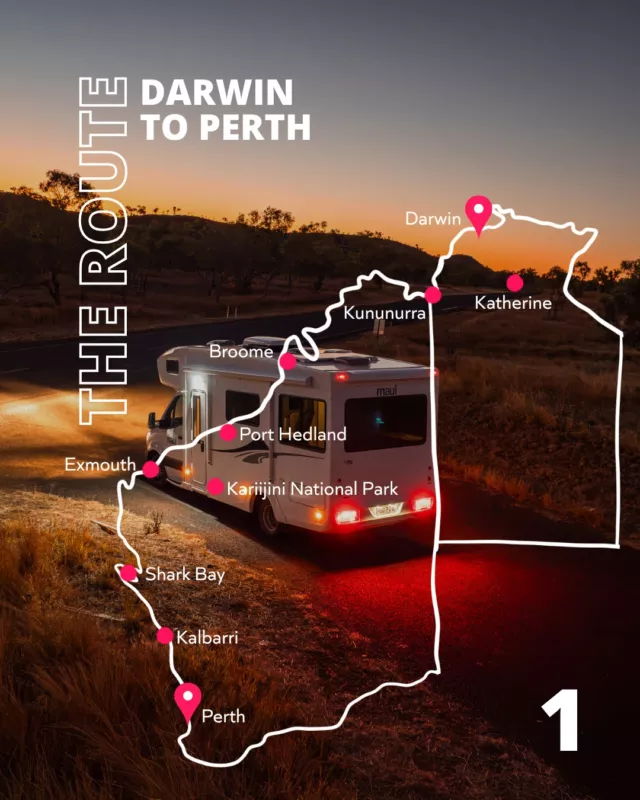
Here’s the practical approach: you don’t need a rugged 4WD expedition to experience the Kimberley’s highlights. From Broome, you can access boat cruises through Geikie Gorge and the Horizontal Falls, scenic flights over the Bungle Bungle Range, and guided cultural tours, all without leaving sealed roads or pushing your vehicle beyond its limits.
If you’re comfortable with longer drives, the Great Northern Highway from Broome to Kununurra is fully sealed and passes through Katherine and El Questro. From Kununurra, boat cruises on Lake Argyle and the Ord River are calm, accessible, and visually spectacular.
Campervan logistics: Stick to sealed highways. The Gibb River Road is unsealed and best left to dedicated 4WD vehicles. Broome and Kununurra have well-equipped caravan parks. Fuel stops between towns can be spaced apart, so fill up at every opportunity and carry extra water.
The South Coast, New South Wales
The stretch from Jervis Bay down to Eden is one of the most underrated coastal drives in Australia. The Princes Highway and its detours wind through national parks, past white sand beaches, and along clifftop lookouts that rival anything on the Great Ocean Road, with a fraction of the visitors.
Jervis Bay has some of the whitest sand in the world at Hyams Beach, and the Booderee National Park walking tracks are flat and well-maintained. Further south, Narooma offers close-up views of Australian fur seals from the breakwall (no boat required), and the town of Eden has a rich whaling history centred around the excellent Killer Whale Museum.
Whale watching is a major drawcard between May and November. From elevated lookouts along the coast (many just steps from the car park) you can spot humpbacks without needing binoculars.
Campervan logistics: Fully sealed roads throughout. Numerous caravan parks and free camping spots along the coast. Towns are well-spaced for fuel and supplies. This is relaxed, stress-free driving country.

Beyond the Usual List: Destinations That Deserve Your Attention
These places don’t make most senior travel guides, which is exactly why they’re worth considering. Less crowded, often easier to access, and with a genuine sense of discovery.
Ningaloo Reef and the Coral Coast, Western Australia
Every travel guide points to the Great Barrier Reef, and rightly so. But Ningaloo is a different proposition entirely, and for many over-60s travellers, it’s actually the better option.
Why? The reef is right there. At Turquoise Bay, you walk off the beach, drift with a gentle current, and you’re floating over pristine coral and tropical fish within metres. No two-hour boat ride, no seasickness, no clambering onto a dive platform. The exertion is minimal and the reward is extraordinary.
The town of Exmouth is the main base, with excellent caravan parks. Further south, Coral Bay is smaller and quieter, with reef access directly from the shore. Between March and July, you can join boat tours to swim alongside whale sharks; but even if you’d rather stay dry, the glass-bottom boat tours and beach snorkelling alone make this coast worth the drive.
Campervan logistics: Sealed roads from Perth via the Indian Ocean Drive or the inland highway. It’s a long drive from Perth (around 12 hours), so plan it as a multi-day road trip with stops at Geraldton, Kalbarri, and Shark Bay along the way. Caravan parks in Exmouth and Coral Bay are well-equipped. This region is extremely popular between April and October, so book early.
The Flinders Ranges, South Australia
If the Red Centre is on your list but you’d rather not commit to the long drive from Adelaide to Alice Springs, the Flinders Ranges deliver a remarkably similar feeling on a smaller scale, and they’re only about four and a half hours north of Adelaide on sealed roads.
Wilpena Pound is the centrepiece: a natural amphitheatre of ancient ridgelines encircling a flat valley floor. You can walk into it via the flat, shaded track from the visitor centre, or, for a perspective that truly captures its scale, take a scenic flight. The 20-minute flight over the Pound is one of the best scenic experiences in South Australia.
The region is also rich with Indigenous cultural sites, fossil beds, and quiet outback towns with excellent bakeries and country pubs. The pace here is naturally slow, and that’s entirely the point.
Campervan logistics: Sealed roads to Wilpena Pound and the main Flinders Ranges towns. The Wilpena Pound Resort has a well-equipped caravan park with powered sites and a camp kitchen. Fuel and basic supplies available at Hawker and Quorn. Some secondary roads in the ranges are unsealed but well-graded for 2WD in dry conditions.
The Silo Art Trail, Victoria and Regional New South Wales
This one is tailor-made for road tripping. Scattered across the wheat belt towns of western Victoria and into regional New South Wales, enormous grain silos have been transformed into towering outdoor murals by world-class artists. Each one is different, each town has its own story, and the drive between them takes you through rolling farmland and quiet country roads that feel like they belong to another era.
The physical demand is close to zero – you park, look up, take it in. Many of the towns have added small cafes, galleries, or heritage walks alongside the silo art, so you can stretch your legs and grab a coffee before moving on.
The Victorian trail runs through Rupanyup, Sheep Hills, Brim, Lascelles, Patchewollock, and Rosebery. It’s an easy loop from Melbourne or a rewarding detour on the way to or from Adelaide.
Campervan logistics: All sealed roads. Small-town caravan parks and free camping spots along the route. Some towns are tiny, so don’t rely on finding fuel everywhere – fill up at the larger regional centres.
Eyre Peninsula, South Australia
If you enjoy fresh seafood and coastal scenery without the tourist density of the east coast, the Eyre Peninsula is worth the drive. Known as Australia’s “seafood frontier,” this region produces some of the best oysters, tuna, and kingfish in the country – and you can often buy directly from the growers.
Coffin Bay is the standout: a small coastal town where you can join a tour to taste oysters straight from the water. It’s hands-on, memorable, and surprisingly fun. Further around the peninsula, Baird Bay offers calm-water boat tours where you can swim alongside wild sea lions and dolphins in sheltered, shallow water – a safe, accessible wildlife experience.
Port Lincoln is the largest town and a good base, with boat tours, seafood restaurants, and a relaxed waterfront atmosphere.
Campervan logistics: Sealed roads throughout the peninsula. Good caravan parks in Port Lincoln, Coffin Bay, and Streaky Bay. The Eyre Highway connects to the Nullarbor if you’re continuing west. Towns are more spread apart on this coast, so carry extra water and keep your fuel topped up.
Undara Volcanic National Park, Queensland
Most Queensland travel advice for seniors points to the Gold Coast or the Sunshine Coast. Undara sends you inland to something far more unusual: a network of 190,000-year-old lava tubes formed by ancient volcanic eruptions. Walking through them feels like entering another world – vast, cathedral-like tunnels with collapsed sections where rainforest has grown inside.
The best part: the guided tours use well-maintained boardwalks and paths, so the terrain is managed and safe. The Undara Experience, a dedicated eco-lodge and caravan park adjacent to the national park, runs the tours and also offers wildlife spotting walks, bush breakfasts, and sunset sessions.
Campervan logistics: Sealed road access from the Gulf Developmental Road between Cairns and Mount Surprise. The Undara Experience has a well-equipped caravan park with powered sites. It’s remote, so stock up on fuel and supplies at Ravenshoe or Mount Garnet on the way in.
Route integration: Our guide to the Undara lava tubes has the full rundown.
Wilsons Promontory, Victoria
“The Prom” is one of Victoria’s most loved national parks, and for good reason. The coastal walks here are exceptionally well-maintained. The Squeaky Beach walk (named for the sand that literally squeaks underfoot) is flat, short, and leads to one of the most beautiful coves in the state. The Tidal River boardwalks are fully accessible and wind through coastal scrub with constant water views.
Wildlife is everywhere. Wombats wander through the campgrounds at dusk, kangaroos graze on the open grass, and the birdlife is outstanding. It’s one of those rare places where the animals come to you.
Campervan logistics: Sealed road from Melbourne (about a three-hour drive). Tidal River campground is the main base within the park. It has powered sites, a camp kitchen, and a general store. Book well in advance, particularly during school holidays and summer. Larger motorhomes are accommodated but spaces fill fast.

Practical Resources for Your Trip
A few more guides from our library that are worth bookmarking as you plan:
- Australia’s best national parks to visit – a broader look at the parks network, including entry fees and facilities
- The best places to spot wildlife in Australia – where to find kangaroos, koalas, wombats, and platypus in the wild
- Campervan hire insurance explained – what’s covered, what’s not, and what to look for
Frequently Asked Questions
Is Australia safe for over 60s travelling by campervan?
Yes. Australia’s major highways and tourist routes are well-maintained, well-signed, and covered by roadside assistance services. Regional towns have medical facilities, and mobile phone coverage extends across most popular travel corridors. The key is preparation: carry extra water, plan your fuel stops, and let someone know your rough route. Common sense goes a long way.
Do I need a 4WD campervan for most Australian destinations?
No. A standard 2WD campervan or motorhome will get you to the vast majority of destinations worth visiting, including everything in this guide. Where 4WD is required (like driving on K’gari or accessing some tracks in Kakadu), we’ve recommended parking your vehicle and joining a guided tour instead.
What’s the best time of year to travel Australia by campervan?
It depends on where you’re heading. The tropical north (Northern Territory, Far North Queensland, the Kimberley) is best in the dry season from May to October. The southern states (Victoria, Tasmania, South Australia) are most comfortable from October to April. If you’re doing a longer trip, plan your route to follow the seasons. North in winter, south in summer.
How far in advance should I book a campervan?
For peak season travel (June to September in the north, December to February in the south), booking two to three months ahead is sensible, popular vehicle types in popular locations can sell out. For shoulder season travel, a month’s notice is usually enough, though earlier booking means better rates.
Can I find accessible walking tracks at most destinations?
Most major national parks and tourist destinations in Australia have invested heavily in accessible infrastructure. Boardwalks, sealed paths, graded tracks, and accessible lookouts are increasingly common. We’ve highlighted the accessibility of walks at every destination in this guide. If a walk has steep or uneven sections, we’ve said so.
Your Trip, Your Way
Australia rewards the kind of traveller who takes their time, follows their curiosity, and doesn’t mind if the plan changes along the way. A campervan gives you the freedom to do exactly that, and the destinations in this guide are all the better for experiencing them at your own pace.
If you’re ready to start putting a trip together, get in touch with us. Send us your travel dates and a rough idea of where you’d like to go, and we’ll build you a personalised camper deal, the right vehicle for your route, matched to your comfort level, with a best price guarantee. Our team has been there and done it, and we’re here to help you every step of the way.
About the Author

with RatPack Travel?

5-Star Google Rated
5-Star Google Rated


Our Customers Say it Best