

Choose your weapon


Your Dates & Locations:
-- > -- -- > -- ---- -- Days
Thanks!
We’re comparing ALL online rates to find you the best campervan deals.
Send us your full name on WhatsApp or Messenger & we’ll do the rest!
.png)

Sit tight
We're finding the best deals for you.
5.0 
3,000+ Google & Facebook reviews

10s
The direct drive from Brisbane to Byron Bay takes about two hours, and if that’s all the time you had, it would still be worth doing. But give it seven days and you get the version most people never see: Tamborine Mountain rainforest, Springbrook waterfalls, the full length of the Gold Coast, a quieter run down the Tweed Coast, and a proper stretch of Byron hinterland before you even set foot on Wategos Beach.
You’ve got rainforest and waterfalls in the hinterland, some of Australia’s best known surf beaches along the coast, a proper border crossing with its own small culture shift, and a genuinely different pace once you hit the Northern Rivers. Few road trips in the country pack this much contrast into 170 kilometres.
This itinerary works as a standalone week, or as one leg of a much longer trip if you’re running the full east coast between Sydney and Cairns. Either way, the pace changes noticeably once you leave Brisbane, and that’s really the whole point of taking a week over it.
____________________________________________________
Planning a campervan trip?
Share your travel details and we’ll find you the best van, unlock the best deals, and tailor your perfect road trip.
____________________________________________________
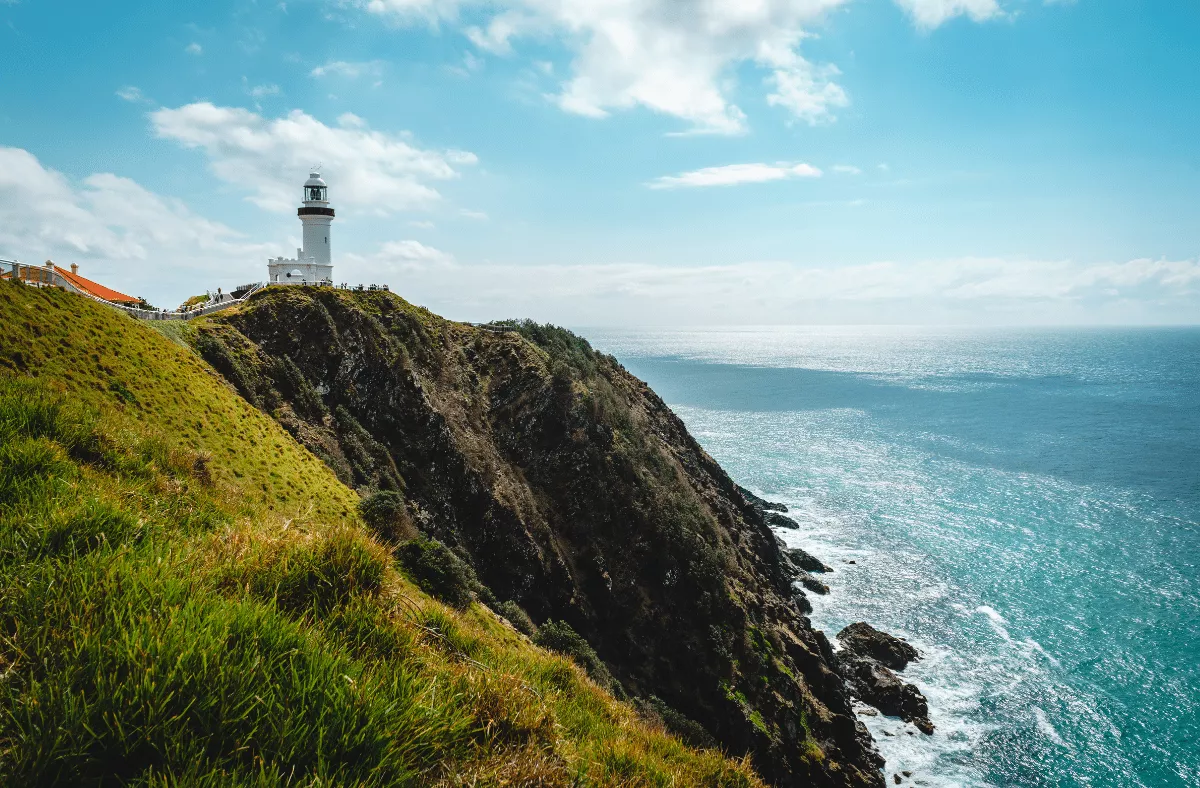
Your epic Brisbane to Byron Bay road trip route overview
- Day 1: Brisbane to Tamborine Mountain
- Day 2: Springbrook National Park to the Gold Coast
- Day 3: Burleigh Heads and Currumbin
- Day 4: Coolangatta to the Tweed Coast
- Day 5: Kingscliff to Brunswick Heads
- Day 6: Byron Bay
- Day 7: Byron hinterland
Seven days lets you take the hinterland detours properly instead of just glimpsing them from the motorway window. If you’re tighter on time, three to five days covering the coast alone still works well, you’d just fold Tamborine and Springbrook into a single day and skip the Byron hinterland loop on day seven.
Part of a bigger trip?
If you’re running the full east coast, this itinerary picks up naturally where our Sydney to Brisbane road trip leaves off, and continues into our Brisbane to Cairns road trip guide once you’re ready to keep heading north through the Sunny Coast. If you’re starting further south and want to skip straight to the coast, our Sydney to Gold Coast itinerary and Sydney to Byron Bay guide are both worth a look too, especially if Brisbane isn’t part of your plans at all.
It’s worth knowing the wider network exists, because a one week hire that starts in Brisbane and drops off in Byron, or continues on toward Cairns, is a genuinely common way to structure a longer Australian holiday, and it changes how you might want to book your van.
Day 1: Brisbane to Tamborine Mountain
Distance: around 80 km, 1.5 hours without stops
Before you leave the Brissy, spend the morning at South Bank if you haven’t already, then head south and turn off the motorway early rather than following it straight to the coast. Tamborine Mountain is close enough to Brisbane that it’s easy to underrate, and it’s a proper rainforest escape before the beaches even start, with a noticeably cooler climate that catches most first timers off guard.
What to do?
South Bank Parklands
Brisbane’s riverside precinct, with Streets Beach, Australia’s only inner city man made beach, right in the middle of it. A good last stop before you collect the van and get going, and worth an hour even if you’ve already spent a few days in the city beforehand.
Lone Pine Koala Sanctuary
Frequently recommended as one of the best places to see native wildlife before leaving Brisbane entirely. If you haven’t got a wildlife stop planned further south, this is worth building into the morning.
Story Bridge and Mount Coot-tha Lookout
Two of Brisbane’s defining views, the bridge from the river or on a climb if you’ve booked ahead, and Mount Coot-tha for panoramic views across the whole city, particularly good at sunrise before you set off for the day.
Curtis Falls
A short rainforest walk to one of Tamborine’s best known waterfalls. Easy enough for most fitness levels and shaded the whole way, a nice first taste of the hinterland scenery you’ll see more of later in the week.
Gallery Walk
Tamborine’s main shopping street, full of artisan stores, cafés and local produce. Good for an afternoon wander and stocking up the van before the rest of the trip.
Rainforest Skywalk
An elevated boardwalk through the rainforest canopy, a different way to see the forest than the ground level walks elsewhere on the mountain, and an easy add on if you’ve still got energy after Curtis Falls.
Local wineries
Tamborine Mountain has a handful of boutique wineries with cellar door tastings. Worth an hour if you’re not driving the rest of the day, and a good sign of things to come once you reach the hinterland proper.
Where to eat?
Yatala Pie Shop
A classic Queensland road trip institution just off the highway on the way up. Grab a pie for the road, it’s practically a rite of passage on this route and most travellers who’ve done it before will already be telling you to stop here.
Cafés along Gallery Walk
Plenty of solid lunch options here, mostly relaxed, mostly with a rainforest or valley view, and a good introduction to the kind of café culture the hinterland does well.
Howard Smith Wharves
If you’ve got time before leaving Brisbane, this waterfront dining precinct beneath the Story Bridge is worth an evening, with a good spread of restaurants and river views either side of the bridge.
Local produce stores
Tamborine has several producers selling cheese, chocolate and preserves, good for building a proper van pantry early in the trip rather than relying on supermarkets the whole way.
Where to stay?
Tamborine Mountain Caravan Park
Simple, well positioned, and close to the walking tracks. A relaxed first night out of the city, and a good way to settle into the van before tomorrow’s driving.
Freestyle Tamborine
A caravan park with a mix of powered sites, good facilities if you want a proper hookup on night one and don’t fancy roughing it just yet.
Cedar Creek Estate
A winery with camping options attached, if you’d rather wake up among the vines than in a standard caravan park.
Springbrook direction sites
If you want to get a head start on tomorrow, there are a few smaller campgrounds on the road toward Springbrook worth checking, though Tamborine itself is the more convenient base for day one.
Practical tip: Fuel up before you leave Brisbane, Tamborine Mountain has limited fuel options and prices tend to run higher in small hinterland towns. It’s also worth downloading offline maps for this stretch, mobile reception can drop out in patches once you’re up on the mountain.
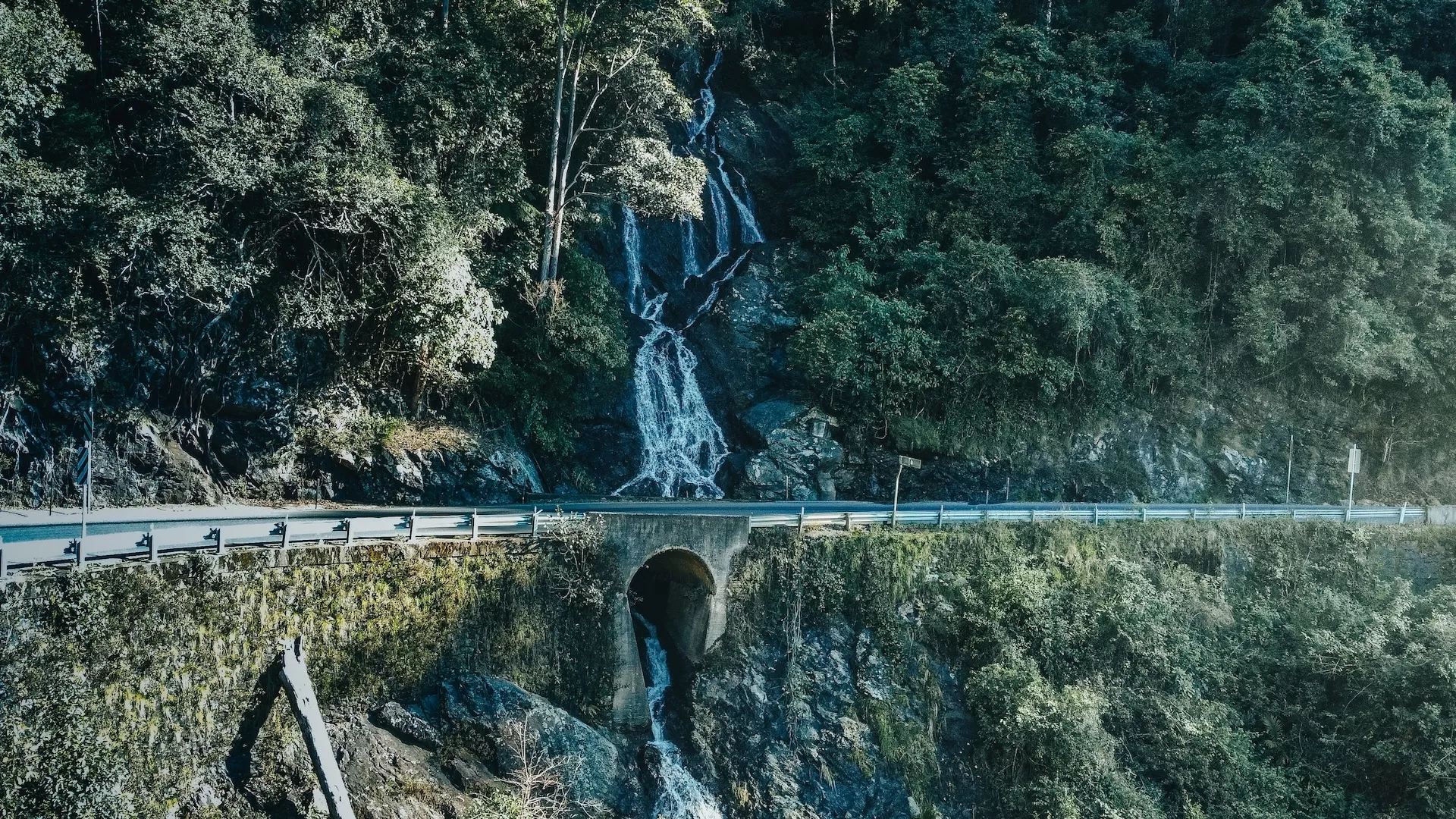
Day 2: Springbrook National Park to the Gold Coast
Distance: around 100 km including detours, 2 to 2.5 hours
This is the day for waterfalls and lookouts. Springbrook is UNESCO listed rainforest, dramatic and genuinely cool compared to the coast, so it’s a nice contrast before you drop down into the Gold Coast’s energy for the evening. Give yourself the full morning here, the walks take longer than they look on a map, and the lookouts are worth lingering at rather than rushing through.
What to do?
Natural Bridge
A naturally formed rock arch with a waterfall running through a cave beneath it. Come back after dark if you can, the glow worms here are worth the detour on their own, and it’s one of the few spots on this trip where you’ll want to plan around the sunset rather than the sunrise.
Purling Brook Falls
One of Springbrook’s most impressive waterfalls and a popular circuit walk. Give yourself a couple of hours, the full loop takes you both above and below the falls for two very different views of the same water.
Best of All Lookout
Sweeping views across the Tweed Valley toward Wollumbin, best in the late afternoon light. A short walk from the car park, so it’s an easy add on even if you’re pressed for time elsewhere.
Canyon Lookout
Another Springbrook viewpoint, less crowded than Best of All, and a good option if you’re short on time but still want the valley views without the walk to the more popular lookout.
Surfers Paradise beachfront
Once you’re down off the mountain, this is the Gold Coast’s best known stretch, beach, skyline and nightlife all in one, and a real change of pace after a morning in the rainforest.
Where to eat?
Springbrook cafés
A handful of small cafés near the park entrance do a solid cooked lunch, good fuel before an afternoon of walking, and they know the local conditions well enough to give you a heads up on track closures.
Rick Shores
Slightly further south at Burleigh but worth booking ahead if you want a proper dinner tonight rather than tomorrow, right on the sand with a strong Southeast Asian menu and one of the better sunset views on the whole Coast.
Surfers Paradise food precinct
Plenty of casual options along the esplanade if you’d rather keep it simple after a big day of walking, from quick beachside grabs to sit down seafood.
Local bakeries
Worth grabbing something on the way down the mountain, the small bakeries around the Springbrook turn off are a good pit stop before the drive into the Gold Coast proper.
Where to stay?
Gold Coast Tourist Parks (Surfers Paradise)
Central, well set up for campervans, and an easy walk to the beach and nightlife if you want to make the most of your one night in the thick of it.
Broadwater Tourist Park
A quieter alternative on the Broadwater side, good if you’d rather not be in the middle of things but still want easy access to Surfers.
NRMA Gold Coast Holiday Park
Solid facilities and a good option if the more central parks are booked out over a weekend or during school holidays.
Springbrook Mountain Lodge camping
If you’d rather stay up in the cool of the mountain one more night before the coast, there are a few small campgrounds here too, worth it if you want an early start on the walks before the day trippers arrive.
Practical tip: Springbrook’s roads are narrow and winding in places, so allow more time than the distance suggests, especially if you’re driving a larger motorhome. Check for track closures before you go too, some of the falls walks close temporarily after heavy rain.

Day 3: Burleigh Heads and Currumbin
Distance: around 20 km, under half an hour, this is a day for stopping not driving
The Gold Coast’s best stretch of coastline, in my opinion. Burleigh in particular is the kind of place where you plan to stay for lunch and end up staying for the sunset, and it’s worth building today’s plan around flexibility rather than a strict schedule.
What to do?
Burleigh Head National Park walk
A short coastal track with genuine ocean views, and a strong chance of spotting whales during migration season between roughly May and November. It’s a compact walk, but the headland views make it feel like far more than its length suggests.
Burleigh Beach
Consistently one of the best beaches on the Gold Coast, with a relaxed village feel around it that Surfers doesn’t have. Good swimming, good surf if that’s your thing, and a much calmer atmosphere generally.
Currumbin Wildlife Sanctuary
One of the best wildlife experiences in the country and a genuine highlight regardless of who you’re travelling with. Give it at least half a day if you want to see it properly rather than rushing through.
Tallebudgera Creek
A sheltered, calm alternative to the exposed surf beaches nearby, good for a swim without fighting a break, and a favourite with families for exactly that reason.
Currumbin Creek
Similar in character to Tallebudgera, another calm waterway good for paddleboarding or kayaking if you’d rather not fight the surf two days running. A quiet way to close out the afternoon before dinner.
Where to eat?
Justin Lane Eatery
A Burleigh favourite, brunch focused, always busy for good reason. Get there earlier rather than later if you don’t want to wait for a table.
Rick Shores
If you didn’t make it here yesterday, tonight’s the night, right on Burleigh Beach with the sand practically under the tables and a menu that leans into fresh, local seafood.
Elephant Rock Cafe
Currumbin’s best known café, right on the headland with an ocean view that’s hard to beat for breakfast, and a solid stop either before or after the wildlife sanctuary.
Burleigh village cafés
The main strip has plenty of good coffee and casual lunch options if you’d rather wander and pick something on the day rather than plan ahead.
Where to stay?
Burleigh Beach Tourist Park
Right by the beach, walking distance to everything in this section, and consistently one of the more popular parks on the Coast, so book ahead over summer.
Tallebudgera Creek Tourist Park
A quieter, creekside alternative with the calm water right on your doorstep, and a good pick if you’re travelling with kids.
Currumbin Beach caravan sites
Close to the wildlife sanctuary if you want an early start there tomorrow morning before the crowds build.
Palm Beach camping options
A slightly less crowded stretch just south, good if the more central parks are full and you don’t mind a short drive back up to Burleigh.
Practical tip: Parking around Burleigh Heads fills up fast on weekends and during school holidays, arrive early if you want a spot near the national park entrance. The Currumbin Wildlife Sanctuary car park is generally easier for larger vehicles, so it’s worth leaving the van there and walking the short distance to Elephant Rock if Burleigh’s parking is tight.

Day 4: Coolangatta to the Tweed Coast
Distance: around 30 km, under an hour
This is where the Gold Coast winds down and the Tweed Coast begins, and the pace slows noticeably. Coolangatta still has the surf energy, but everything south of the border feels a bit more like the quieter coast you came for, with fewer high rises and a lot more open headland.
What to do?
Snapper Rocks
One of the most recognisable surf breaks in the country. Watch from the headland even if you’re not surfing it yourself, it’s not a beginner wave, and the crowd of experienced surfers waiting for a set is a spectacle in its own right.
Rainbow Bay
A sheltered beach right next to Snapper, good for swimming without the same surf conditions, and a much easier option if you’ve got younger kids with you.
Point Danger
The headland marking the Queensland and New South Wales border, with panoramic coastal views and a genuinely good chance of whale sightings in season. Easy to miss on the drive through, but well worth the five minute stop.
Fingal Head
A quiet headland just over the border, known for its dramatic basalt columns similar in style to the Giant’s Causeway. Noticeably fewer people than Coolangatta, and a good sign of the calmer pace to come.
Cabarita Beach
A relaxed beach town with a growing food scene, good excuse to slow down for the afternoon and let the trip breathe a bit after the busier Gold Coast days.
Norries Headland
A short coastal walk above Cabarita Beach with wide ocean views and strong whale watching opportunities in season. It’s an easy scenic stop that requires little time or deviation from the main route, and a good one to squeeze in before lunch.
Cook Island Aquatic Reserve
A protected marine area just offshore where you can snorkel or dive among turtles, rays and other marine life if the conditions are right. A memorable wildlife experience that feels quite different from the beaches and rainforest walks earlier in the trip.
Where to eat?
Home Coffee Roasters
A Coolangatta staple for a proper coffee before you cross the border, and a good place to fuel up before a day of headland walking.
Paper Daisy at Halcyon House
Cabarita Beach’s standout restaurant, worth booking ahead if you want a special dinner tonight, with a menu built around fresh local produce and a genuinely beautiful setting.
Fingal Head cafés
Small and simple, but the setting does most of the work here, a good spot for a quiet coffee away from the crowds.
Coolangatta beachfront eateries
Plenty of casual fish and chip style options if you’d rather keep today’s meals simple and spend more time on the headlands instead.
Where to stay?
Kirra Beach Tourist Park
Right by the beach on the Coolangatta side, an easy last Gold Coast night before you properly cross into New South Wales.
Fingal Head Holiday Park
Quiet, close to the headland, and a good first stop once you’re across the border.
Cabarita Beach Holiday Park
Well set up and close to the beach and the growing food scene here, a comfortable spot to spend the night.
Hastings Point holiday parks
A peaceful, less busy option a short drive further on if Cabarita is booked out, particularly over long weekends.
Practical tip: Crossing the Queensland and New South Wales border here is seamless by road, there’s no formal checkpoint to worry about, but it’s worth noting the time difference during daylight saving months so you don’t miss a booking or a table reservation later in the day.
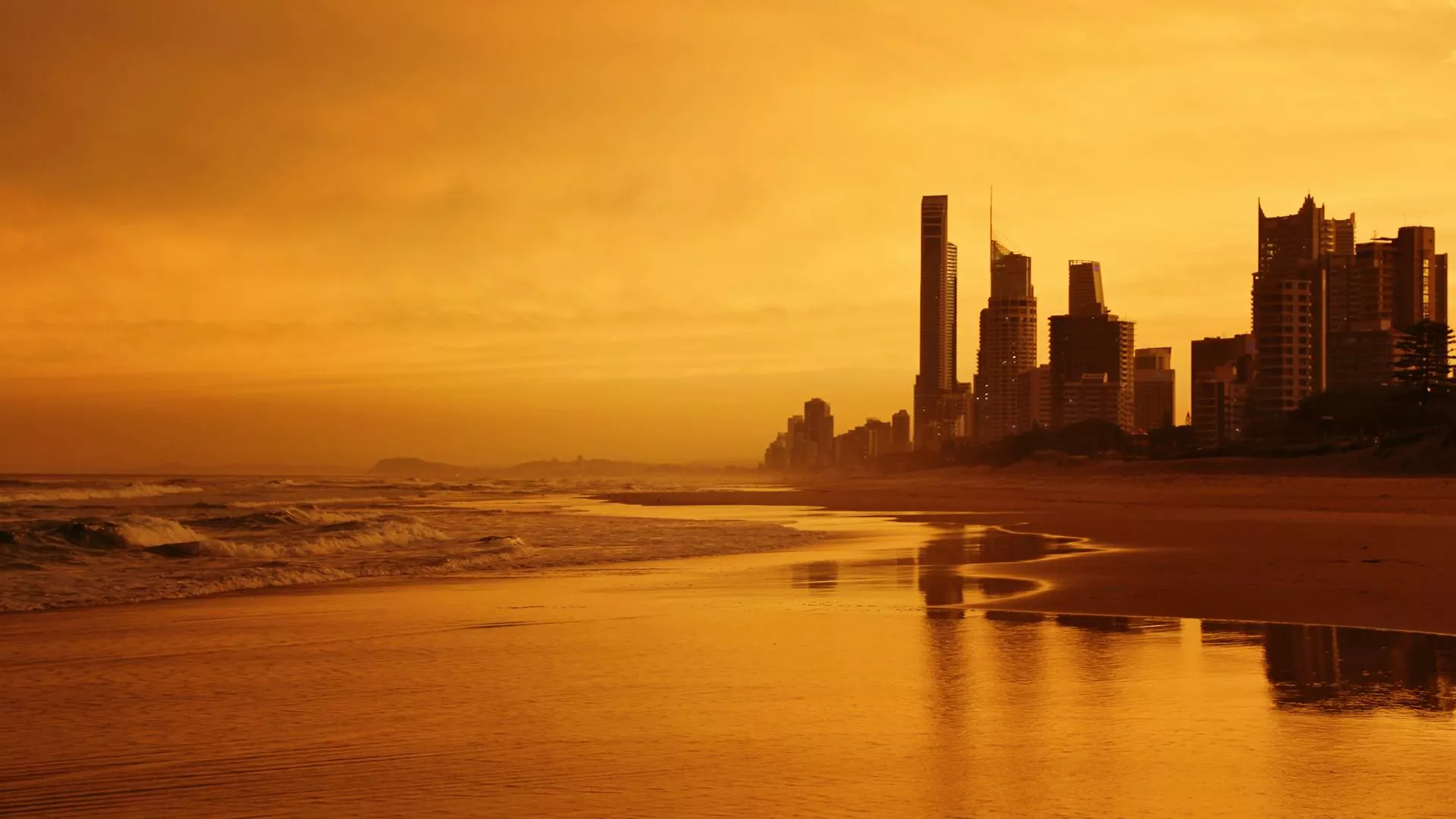
Day 5: Kingscliff to Brunswick Heads
Distance: around 40 km, an hour without stops
A gentler day, mostly small coastal towns rather than big name attractions. This stretch gets less attention than either end of the trip, which is exactly why it’s worth slowing down for, and it’s a good chance to see a side of the Northern Rivers most itineraries skip straight past.
What to do?
Cudgen Creek
Calm water at Kingscliff, good for paddleboarding or a swim away from the surf, and a relaxed way to start the day before continuing south.
Tropical Fruit World
A distinctive subtropical farm near Duranbah with tastings and farm tours. A fun, different kind of stop after several days of beaches, and a genuinely good one if you’re travelling with kids who need a change of pace.
Pottsville and Mooball Creek
A laid back stop combining calm creek swimming with beach access, and noticeably quieter than the resorts further north, worth an hour or two if you want a proper break from driving.
Uki and Chillingham
Small Tweed hinterland villages worth a short detour if you fancy a slower inland drive instead of hugging the coast today, with cafés, local produce and views toward Wollumbin.
Brunswick Heads
One of the best alternatives to Byron itself, relaxed, river fed, with its own beaches and café scene, and a good indicator of the character you’ll see more of tomorrow.
New Brighton Farmers Market
If your timing lines up, this local market is a good chance to stock the van with fresh fruit, vegetables, baked goods and prepared food from Northern Rivers producers, and it’s worth planning the day around if you can.
Where to eat?
Kingscliff beachfront cafés
A relaxed strip with good coffee, a solid start to the day before heading further along the coast.
Tropical Fruit World tastings
Worth building lunch around, unusual produce you won’t find at a standard roadside stop, and a good talking point for the rest of the trip.
The Hotel Brunswick
A proper old pub right on the river in Brunswick Heads, good for a relaxed dinner to end the day with a view over the water.
Fish co-op, Brunswick Heads
Fresh, simple, and about as local as seafood gets on this stretch of coast, a good pick if you’d rather eat casually by the river.
Where to stay?
Kingscliff Beach Holiday Park
Well positioned and close to Cudgen Creek, an easy base for the morning’s activities.
Pottsville Beach Holiday Park
Quiet and close to the creek, good if you want a slower afternoon and a break from the busier parks further north.
Brunswick Heads Holiday Park
Right on the river mouth, one of the more relaxed stays on the whole route, and a nice way to end the day.
Suffolk Park camping
A short drive further on, useful if you’d rather be closer to Byron for an early start tomorrow rather than staying the night in Brunswick.
Practical tip: This stretch has fewer big name attractions, which makes it an easy day to run behind schedule without noticing. Set a rough time to leave each stop rather than an open ended browse, or you’ll find the afternoon disappears before you reach Brunswick Heads.
Day 6: Byron Bay
Distance: around 15 km from Brunswick Heads, 20 minutes
The destination everyone’s been building toward, and it earns the reputation. Give it a full day rather than a flying visit, there’s more here than the lighthouse alone, and the town itself rewards a slower pace more than almost anywhere else on this route.
What to do?
Cape Byron Lighthouse and walking track
The region’s defining attraction and Australia’s easternmost point. The full walking track links beaches, rainforest and the lighthouse, and it’s worth doing the whole loop if you can rather than just driving up to the car park.
Wategos Beach
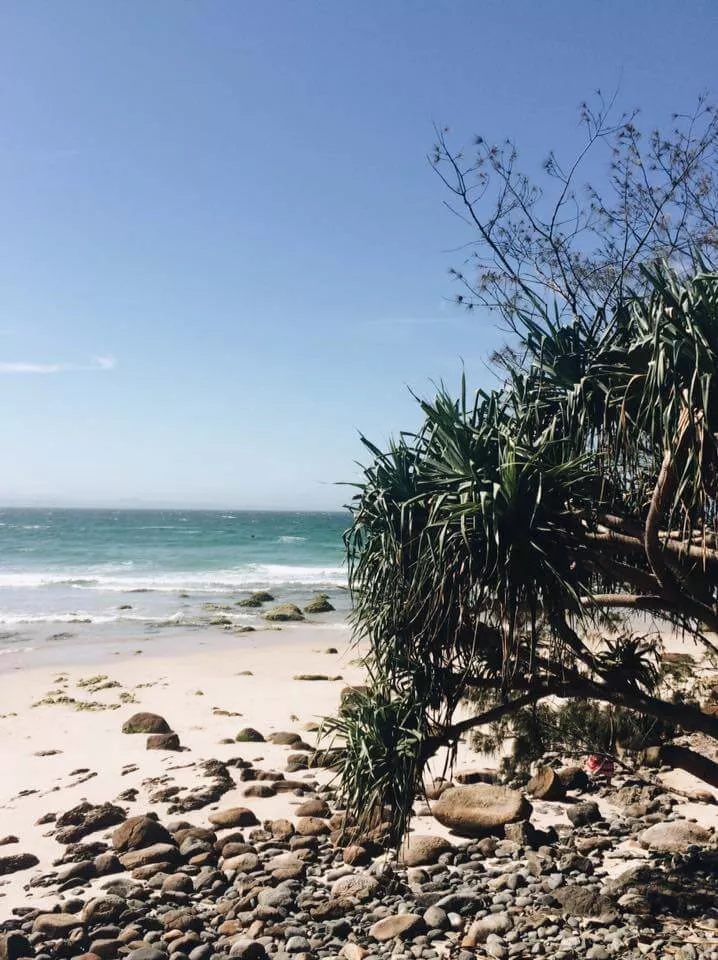
One of Byron’s most photographed beaches, sheltered and good for swimming, and a nice contrast to the more exposed beaches further north on this trip.
The Pass
A popular surf beach and viewpoint, good for watching if you’re not surfing yourself, and one of the more reliable breaks in the area for those who are.
The Farm
A working farm with local produce, family friendly experiences, and the well known Three Blue Ducks restaurant on site. Worth setting aside a couple of hours here rather than a quick drive by.
Sea kayaking or whale watching
Byron’s signature wildlife experiences, with a genuine chance of dolphins, turtles or whales depending on the season, and a memorable way to see the coastline from the water rather than the sand.
Main Beach and Clarkes Beach
Byron’s central beach is walking distance to the shops and cafés, good for people watching and an easy swim. Clarkes Beach, just around the point, is quieter and a good option if Main Beach feels too busy over summer.
Where to eat?
Three Blue Ducks at The Farm
Byron’s best known farm to table restaurant, worth building the day around if you can get a table, especially for breakfast or brunch.
Byron Bay Farmers Market
If your visit lines up with market day, this is the best way to stock the van with genuinely local produce before you head into the hinterland tomorrow.
Main Beach cafés
Byron’s central beach is walking distance to shops and cafés, easy for a relaxed lunch between activities without needing to move the van.
Wategos and The Pass eateries
Small, casual, and well positioned if you’re spending the day around the lighthouse walk and want to eat close to where you’re already exploring.
Where to stay?
Clarkes Beach Holiday Park
Close to the lighthouse walk and quieter than Main Beach, a good campervan friendly option that still puts you an easy walk from the centre of town.
First Sun Holiday Park
Right in town, walkable to everything, though it books out well ahead in peak season so plan accordingly.
Suffolk Park sites
A short drive south of the centre, quieter and often easier to book than the central options.
Belongil Beach camping
A long stretch of coastline popular for walking and sunsets, with a few campervan friendly options nearby if you want to be away from the busier part of town.
Practical tip: Book anything you care about in Byron ahead of time, restaurants, holiday parks and even parking can fill up well in advance over summer and long weekends. If you’d rather avoid the crowds altogether, visit the town centre early in the morning and save the beaches for later in the day once the day trippers have arrived and settled in.
Day 7: Byron hinterland
Distance: around 60 km round trip through the hinterland loop
Most people leave Byron without ever seeing this side of it, which is a shame, because the hinterland is genuinely different country, rainforest, waterfalls and small villages rather than beaches, and it’s the perfect way to close out a week that started in similar rainforest at Tamborine.
What to do?
Bangalow
One of the region’s most popular villages, heritage streets, boutique shopping and good cafés. Easy to spend a couple of hours here, and a good place to pick up gifts or last minute supplies.
Newrybar
A small historic village with galleries, local food and artisan stores, quieter than Bangalow but worth the short detour if you want to avoid the crowds.
Minyon Falls
One of the Northern Rivers’ most spectacular waterfalls, inside Nightcap National Park, and a genuinely impressive sight after the smaller falls you’ve seen earlier in the trip.
Nightcap National Park
Ancient rainforest recognised as part of the Gondwana Rainforests World Heritage Area, with walking trails through Country of deep cultural significance to the Bundjalung people. Treat it with the respect it deserves, and follow any current access guidance from Indigenous custodians before you visit.
Crystal Castle and Shambhala Gardens
Peaceful gardens near Mullumbimby if you want something a bit different to close out the loop, and a relaxed way to spend the last afternoon of the trip.
Northern Rivers Rail Trail
A scenic cycling route through former railway tunnels, farmland and small hinterland communities. Hiring bikes for part of the trail gives you a genuinely different half day experience if you want a reason to slow down even further around Bangalow or Murwillumbah.
Where to eat?
Utopia Bakery Bangalow
A well loved local bakery, good for breakfast before the rest of the day’s driving through the hinterland.
Newrybar general store
Small, local, and worth a stop for produce and a coffee, a good example of the quieter villages this stretch does well.
Mullumbimby cafés
Relaxed and a bit alternative, a fitting last stop before you head back toward Byron or continue on with the wider trip.
Where to stay?
Most travellers use Byron or Brunswick Heads as a base for this day and return there for the night, since the hinterland itself has limited campervan specific sites. If you’d rather stay out this way, small farm stays and rural campgrounds around Bangalow and Federal are worth searching for directly before you set off.
Practical tip: The hinterland roads are narrower and windier than the coastal highway, so build in more time than the distances suggest, particularly around Minyon Falls where the final stretch is unsealed in places. Check current road conditions before you go, especially after rain.

Coastal route or hinterland, which is better?
Honestly, it depends what you’re after. The coast is the easier choice for first time visitors and anyone beach focused. The hinterland is better if waterfalls, some pretty scenic food spots, quiet villages and rainforest scenery matter more to you than another beach, and it rewards travellers who don’t mind a bit more driving for noticeably fewer crowds.
This itinerary gives you both without forcing a choice between them, coast for the first five days, then Byron itself, then a hinterland day to finish. If you’re tighter on time and have to pick one, go coastal, it’s the more efficient use of a shorter trip and covers everything most people are searching for when they plan this route. If you can only add one hinterland detour, make it Springbrook on day two rather than skipping straight to the coast, the contrast early in the trip sets the tone for everything that follows.
There’s also a middle ground worth mentioning. You don’t need to choose one over the other for the whole week, plenty of travellers run the coastal route for the Gold Coast and Tweed Coast stretch, then commit properly to the hinterland only for day seven around Byron. That’s effectively how this itinerary is structured already, and it’s the version we’d recommend to most people doing this trip for the first time.
Other things to consider on your road trip
Is a Brisbane to Byron Bay road trip worth it?
Absolutely. The direct drive is short, but the Gold Coast, Tweed Coast, Northern Rivers villages and Byron hinterland make the journey far more rewarding when you treat it as a proper holiday rather than a two hour transfer between two cities.
How long does it take to drive from Brisbane to Byron Bay?
The direct drive is around 170 km and typically takes 1 hour 45 minutes to 2 hours 30 minutes, depending on traffic through Brisbane and the Gold Coast, roadworks and your exact start and end points. This itinerary spreads that same distance across seven days to properly cover the coast and hinterland rather than driving it in one sitting.
Can you drive from Brisbane to Byron Bay in one day?
Yes, the direct route is short enough for a day trip or a simple transfer, but you’d see almost none of what makes this stretch of coast worth visiting. A few days minimum gets you the Gold Coast and Byron, seven gets you the full picture including the hinterland either side.
What’s the most scenic route from Brisbane to Byron Bay?
The coastal route through the Gold Coast, Coolangatta and the Tweed Coast offers beaches, surf towns and ocean viewpoints the whole way, while the inland variation through Tamborine Mountain, Springbrook and the Tweed Valley adds rainforest, waterfalls and rural scenery instead. This itinerary combines both, which is really the best answer if you’ve got the week to spare.
What is the best time of year for a Brisbane to Byron Bay road trip?
The route works year round. Spring and autumn generally offer the most pleasant conditions and smaller crowds, summer brings warmer beach weather but busier roads and campsites, and winter is quieter and coincides with whale migration season along headlands like Burleigh, Point Danger and Cape Byron.
Is there a time difference between Brisbane and Byron Bay?
During the New South Wales daylight saving period, Byron Bay runs an hour ahead of Brisbane, since Queensland doesn’t change its clocks. Outside daylight saving, both locations share the same time, so it’s really only worth checking if you’re travelling between roughly October and April.
Can you drive this route in a campervan?
Yes, and it’s the ideal way to do it. The main route follows sealed highways suitable for standard campervans and motorhomes, a 4WD isn’t necessary anywhere on this itinerary, though larger vehicles should allow a little extra time on some of the narrower hinterland roads. Have a look at our campervan hire in Brisbane options to sort your van before you go.
Are there enough fuel stations and campsites along the route?
Yes to both. Fuel is readily available around Brisbane, the Gold Coast, Tweed Heads, Murwillumbah and Byron Bay, so the main journey doesn’t require much fuel planning, just fill up before heading further into the hinterland detours. Campsites are similarly well covered by holiday parks along the whole route, though popular locations can require advance booking during weekends, school holidays and peak summer.
Can you freedom camp along the way?
Don’t assume you can sleep overnight on beaches, streets or public car parks along this route. Plan around established holiday parks and authorised campgrounds instead, and check our free camping in Australia guide and campervan parking rules page before you set off.
Where can you park a campervan in Byron Bay?
Parking in central Byron gets busy, and larger vehicles can find the popular areas tight, especially over summer and long weekends. Check local signage carefully, don’t assume daytime parking allows overnight camping, and consider basing yourself at Clarkes Beach or Suffolk Park rather than right in the centre if you want an easier time of it.
What are the best beaches and surf stops on this route?
For beaches, Burleigh, Rainbow Bay, Fingal Head, Cabarita Beach, Hastings Point, Wategos and The Pass are the standouts. For surf specifically, Burleigh Heads, Snapper Rocks, Cabarita Beach and The Pass are among the best known breaks, though conditions and required skill vary a lot between them. Snapper Rocks in particular is not the place to learn, beginners are better off with a recognised surf school and a beach suited to lessons rather than the famous names.
Is a one-way hire or return loop better?
A one-way journey from Brisbane to Byron suits travellers continuing south toward Sydney afterward, and it’s the natural choice if you’re following this itinerary as written. A Brisbane return loop makes more sense if this is a dedicated week long holiday on its own, since it lets you combine the outward coastal route with an inland return through the hinterland rather than retracing the motorway twice.
Are there EV charging points along this route?
Yes, charging is available around Brisbane, the Gold Coast, Tweed Heads, Murwillumbah and Byron Bay. If you’re driving an EV and planning the hinterland detours to Tamborine, Springbrook or the Byron hinterland loop, it’s worth checking charging locations before you leave the main towns, since coverage thins out once you’re away from the coast.
When can you see whales along the route?
Humpback whales migrate along the east coast during the cooler months, roughly May to November, with the best chances from headlands including Burleigh Head, Point Danger, Fingal Head, Hastings Point and Cape Byron. Exact timing and sightings vary each year, so treat it as a bonus rather than a sure thing if you’re travelling outside peak season.
What are the best food stops between Brisbane and Byron Bay?
The route covers a lot of ground food wise, from Yatala’s classic roadside pies early on, through Gold Coast cafés at Burleigh and Currumbin, Tweed Coast restaurants like Paper Daisy at Cabarita, and Northern Rivers bakeries and farmers markets around Bangalow and Byron itself. It’s worth treating the food as part of the itinerary rather than an afterthought, several of the best stops on this route are built around exactly that, and a few, like Yatala and Three Blue Ducks, are reason enough on their own to make the detour.
Can you include Tamborine Mountain and Springbrook National Park in the same trip?
Yes, and this itinerary does exactly that, though visiting both properly adds a fair bit of driving compared with following the motorway straight down. If time is tight, choose one rather than rushing both, Springbrook tends to have the more dramatic scenery, while Tamborine is the easier stop if you’re travelling with young kids or want something closer to Brisbane.
How much time should you spend in Byron Bay?
One or two days is enough to see the lighthouse, beaches and town centre if you’re tight on time, while three or more days allows time for surfing, kayaking, markets and the surrounding hinterland. This itinerary gives Byron itself one full day, plus a second day for the hinterland loop right on its doorstep, which is a good middle ground for most travellers.
Is it safe to drive this route at night?
The motorway sections between Brisbane and the Gold Coast are generally straightforward after dark, but rural and hinterland roads, particularly around Tamborine, Springbrook and the Byron hinterland loop, are darker, narrower and more exposed to wildlife on the road. Daylight driving is preferable for these detours, both for the views and for a more comfortable drive.
New to campervan travel?
This is a genuinely good route to start on. Our guide to everything you need to know about travelling by campervan covers the basics, and if you haven’t sorted your van yet, how to hire a campervan rental to travel Australia and how to find the best camper for your road trip in Australia will help you work out what size and layout suits this route best. It’s worth checking our campervan hire insurance guide too, since cover varies between operators and it’s not something you want to be sorting out at the depot on pickup day.
Where can I find more stops for a longer trip?
If you’re building this itinerary into something bigger, our wider guide to the best times to travel Australia is worth a read, along with our lists of the best beaches in Australia and national parks to visit in Australia if you want to add a few extra stops either side of this route.
What should you pack for this trip?
- Sun protection: hats, sunscreen, sunnies, this is beach country most of the week.
- Insect repellent: useful for the rainforest walks at Springbrook and the hinterland.
- Comfortable walking shoes: for the waterfall tracks and the Cape Byron walking track.
- Swimming gear: you’ll want it most days.
- Reusable water bottles: keep the crew hydrated between stops.
- Clothing for both warm coastal days and cooler hinterland mornings.
For the full list, check our campervan packing list.
Ready to get moving on your Brisbane to Byron Bay roadie, let’s go!
Seven days, two coastlines and a proper hinterland detour in between, that’s the full route sorted. You’ve got the Gold Coast’s big name beaches, a quieter run down the Tweed, Byron itself, and a hinterland day most travellers never bother with, which is exactly what makes it worth doing. If Byron isn’t the end of the road for you, our Brisbane to Cairns itinerary picks up right where this one finishes. Send us your travel dates and we’ll compare the market for you, find you the best rated van at the best deal, and if you find it cheaper elsewhere for the same booking, we’ll beat it. Get in touch and let’s get you on the road.
About the Author

with RatPack Travel?

5-Star Google Rated
5-Star Google Rated


Our Customers Say it Best