
Choose your weapon


Your Dates & Locations:
-- > -- -- > -- ---- -- Days
Thanks!
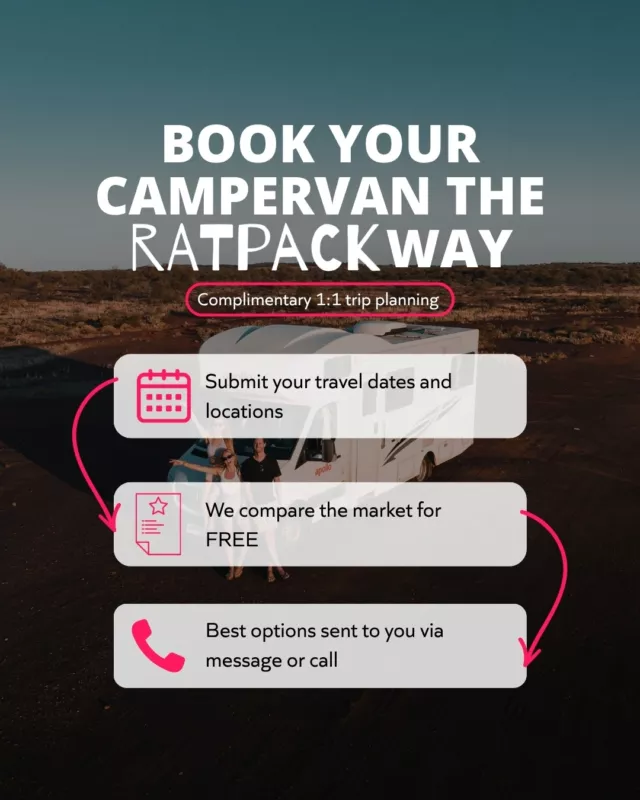
We’re comparing ALL online rates to find you the best campervan deals.
Send us your full name on WhatsApp or Messenger & we’ll do the rest!
.png)

Sit tight
We're finding the best deals for you.
5.0 
3,000+ Google & Facebook reviews

10s
I get asked this one a lot, usually by someone who’s just picked up their camper and hasn’t quite worked out where they’re allowed to pull over for the night. Fair question. Australia has 938,000 camper and caravan registrations as of 2025, and every one of those owners had to learn the same rules at some point.
Here’s the short version: no, you can’t park your campervan or motorhome anywhere you like. But once you know the basics, finding a legal spot becomes second nature, and you’ll spend a lot less time worrying about it than you think.
____________________________________________________
Planning a campervan trip?
Share your travel details and we’ll find you the best van, unlock the best deals, and tailor your perfect road trip.
____________________________________________________
Can You Park a Campervan Anywhere in Australia?
Let’s clear this up first, because it’s the question behind every other question in this guide.
Australia has parking laws like anywhere else, and they apply to campervans, motorhomes, caravans and RVs the same way they apply to cars. Being on a road trip doesn’t give you extra rights. It just means you need to know where those rights actually apply.
Generally, you’ll want to avoid parking or stopping overnight in these spots:
- Private property: Without the owner’s permission, this is trespassing, whether it’s a driveway, a paddock, or an empty car park.
- No parking zones: Bike lanes, pedestrian areas, nature reserves and anywhere with clear signage saying no.
- Residential streets: Councils often restrict long-term parking for larger vehicles here, and some require a permit even for a short stay.
- Beaches and coastal zones: Unless it’s a signed free camp, parking on sand or in dune areas is illegal and actively enforced.
- City and town centres: Most public car parks and streets in urban areas don’t allow overnight motorhome parking, and height restrictions often rule out larger vans anyway.
- Public parks and reserves: Rangers patrol these regularly, so unless a spot is specifically set aside for camping, it’s off-limits.
- Industrial areas and business car parks: Tempting when everything else looks full, but usually prohibited and a good way to get towed.
- School and hospital car parks: Reserved for staff and visitors, even outside business hours.
What About Parking on the Side of the Road?
Roadside overnight parking, sometimes called wild camping, isn’t legal in most parts of the country unless it’s clearly signed otherwise.
In rural areas, you’ll often find designated rest stops or parking bays where a short overnight stay is fine. Look for signage confirming it. In urban and residential areas, roadside parking is far more tightly controlled, and local councils do enforce it.
Highway rest areas are your safest bet if you’re just after a place to break up a long drive. Most are designed for stays of up to 24 hours, and they’re built for exactly this purpose.
If in doubt, head for a proper campground, caravan park, or an official rest area rather than guessing.
What Happens If You Get Caught: Fines and Penalties
Fines for illegal campervan parking are handed out by two main authorities, and they don’t work the same way.
Council fines typically apply to overnight parking in residential streets, urban car parks, and beach or foreshore areas. These vary from council to council, and the amount usually depends on the specific local law that’s been breached rather than a single national rate.
National park and state land fines tend to apply to camping outside designated areas within a park or reserve, and these are enforced by rangers rather than local councils. Penalties here can be steeper, particularly in protected or environmentally sensitive zones.
A few things worth knowing regardless of where the fine comes from:
- Renting the van doesn’t get you out of it. The infringement is tied to the vehicle’s registration, so a rental company will pass the fine straight through to whoever was driving at the time, usually deducted from your bond.
- Repeat offences and camping in national parks tend to attract higher penalties than a first-time overnight parking breach in a town.
- Fine amounts change over time and vary by state, so always check the current figure for wherever you’re travelling rather than relying on a number you’ve read somewhere. Your rental provider or the local council website will have the up-to-date figure.
The bigger cost, honestly, isn’t the fine. It’s the time you lose being moved on at 2am when you could’ve spent five minutes finding a legal spot in the first place.
Where Can You Park a Campervan Overnight in Australia?
So you can’t just stop and sleep wherever you land. But that doesn’t mean you’re stuck searching for a caravan park every single night.
Australia has an enormous number of legitimate free camping areas, and they show up in places like:
- National parks
- Holiday parks
- State forests
- Campsites
- Motorhome-specific sites
- RV-friendly towns
- Roadside camping areas
- Beachside camping areas
The catch is that availability and rules change from place to place. Some free camps cap your stay at 24 or 48 hours, some ask you to book ahead, and some close seasonally. A bit of planning before you arrive saves you from turning up at 6pm to find the gate’s already shut.
Is There Free Campervan Parking in Australia?
Plenty of it, and some of it sits in genuinely stunning locations. It’s one of the best parts of travelling by camper here: you can string together a route entirely from free or low-cost overnight stops and still wake up somewhere worth photographing.
Apps like CamperMate and WikiCamps are the easiest way to find these spots, along with recent reviews from other travellers so you know what you’re actually pulling into. State and national park websites, like Parks Victoria, are also worth a look, since they list official camping areas for that state directly.
Once you find one legal free camp, you’ll usually find you can hop from that one to the next fairly easily, provided you keep checking whether each one needs a booking.
Do You Need a Self-Contained Van?
This term comes up constantly once you start looking at free camping, so it’s worth understanding early.
A self-contained van is one that carries its own fresh water, has a way to store and dispose of grey water and waste water responsibly, and includes an onboard toilet. Some councils and free camping areas restrict access specifically to self-contained vehicles, because the whole point of the rule is protecting the local area from waste being left behind.
Why it matters for parking:
- Some free camps and overnight rest areas are open to any vehicle, while others are self-contained only, and the signage or listing will usually say so.
- A non-self-contained van (most standard rental campervans without an onboard toilet and full waste system) simply isn’t eligible for those restricted spots, no matter how empty the car park looks.
- If you’re planning a lot of free camping, it’s worth confirming with your rental provider whether the van you’re booking meets the self-contained standard, since this genuinely changes where you can legally stay.
If you’re not sure whether your van qualifies, ask before you go. It’s a five-minute question that saves you from being turned away at the gate.
Understanding Parking Signs and Zones
Road signs matter more in a campervan than they do in a regular car, mostly because the penalty for getting it wrong tends to be bigger and the vehicle is harder to shuffle out of a tight spot in a hurry.
The core signs to know:
- No Stopping: You can’t stop at all, except due to traffic conditions.
- No Standing: You can stop for up to three minutes, but you need to stay in the vehicle.
- No Parking: You can stop, but you can’t leave the vehicle unattended.
Then there’s the green “P” system:
- 1/2P: Half an hour
- 1P: One hour
- 3P: Three hours
- P: General permissive parking zone
- Arrow: The restriction applies in the direction the arrow points
- Time range (e.g. 7:30am–6:30pm Mon–Fri): Restrictions apply only within those hours
- Ticket: A parking ticket is required
- Permit zone: Only permit holders can park here
Be extra cautious in residential streets and tourist hotspots like Bondi Beach or Melbourne’s CBD, where time limits and permit requirements are strictly policed.
One more thing worth knowing: a parking ticket is issued to the vehicle, not the driver. If you ignore it, the fine follows the van, which means it’ll come out of the next person’s pocket, or more likely, straight out of your deposit. Better to just avoid it in the first place.
Stealth Camping: Is It Worth the Risk?
Stealth camping means parking somewhere discreet, outside a designated area, and hoping nobody notices. Side streets, industrial car parks, quiet cul-de-sacs. It’s tempting when you’re tired and every legal option seems miles away.
Here’s the thing though: rangers and council officers don’t need you to open the door to fine you. They log your number plate, photograph the van parked overnight, and send the infringement straight to the rental company, who then take it from your bond. You could be fast asleep with the curtains drawn and still wake up to a fine waiting for you.
Local residents also report parked campervans directly to councils through apps built for exactly that purpose, so a quiet street isn’t as invisible as it looks.
It’s not worth it, especially when Australia has this many legitimate free camps within easy reach. The five extra minutes it takes to find a proper spot is a much better trade than the fine, and the 2am knock on the door.
Campervan Parking Rules by State
Campervan rules aren’t nationally consistent, so where you’re travelling matters. Here’s a general sense of what to expect in each state, though local council rules can add extra restrictions on top of this, so always check ahead if you’re unsure.
- New South Wales: Free roadside camping is generally not permitted outside signed rest areas. NSW has a strong network of paid caravan parks and holiday parks as an alternative.
- Victoria: Sleeping in a vehicle on public land, including many streets and car parks, is restricted in most council areas. Victoria does have a number of designated free and low-cost camping areas, particularly in regional and forest areas, so it’s about finding the right ones rather than assuming any quiet spot will do.
- Queensland: Known for having more RV-friendly towns than most, with several regional councils actively welcoming self-contained vans in designated town areas.
- South Australia: A number of towns allow short-stay camping for self-contained vehicles, often with a time limit, but general roadside stopping outside these areas isn’t permitted.
- Western Australia: The sheer size of the state means rest areas and free camps are more spread out, but also more plentiful once you’re outside the metro area. National parks have their own specific camping zones.
- Tasmania: Rules are stricter and more consistently enforced than the mainland, with many free camps requiring a self-contained vehicle. Tasmania Parks and Wildlife lists designated sites clearly, so it’s worth checking before you set off.
- Northern Territory: Long distances between towns mean rest areas appear regularly along major routes, and free camping is more commonly available, particularly outside town centres.
- Australian Capital Territory: The smallest and most urban jurisdiction on this list, with the least free camping available. Expect to rely on caravan parks within the ACT itself.
Because these rules shift over time, and because council-level restrictions can be more specific than the state-wide picture, it’s always worth a quick search for your exact destination in the days before you arrive. Government and official park sites are the most reliable source.
The Best Apps for Finding Legal Parking
A few tools make this whole process much easier than working it out from scratch:
- WikiCamps: A detailed, traveller-reviewed database of free and paid camps, rest areas, and caravan parks across Australia.
- CamperMate: Similar in purpose, with strong coverage of fuel stops, dump points, and camp locations alongside parking areas.
- State and national park websites: The most authoritative source for camping rules within a specific park, since they’re set by the managing authority directly.
Between an app and a quick check of the relevant park or council website, you’ll usually know exactly where you stand before you even start driving that day.
Common Parking Mistakes to Avoid
A few patterns come up again and again with first-time campervan travellers:
- Assuming a quiet street means an empty street: Even in regional towns, residents notice a van parked overnight, and reports do happen.
- Not checking self-contained requirements: Turning up to a self-contained-only free camp in a standard van means being turned away, sometimes late in the day when other options are limited.
- Skipping the sign: A green “P” sign with a time limit or a permit requirement is easy to miss when you’re focused on finding a park at all.
- Assuming rules are the same across state lines: What’s fine in Queensland won’t necessarily fly in Victoria, and vice versa.
- Leaving it too late in the day: Free camps can fill up or close their gates by early evening in popular areas, so arriving with a plan beats arriving and hoping.
Getting It Right From Day One
You can’t park a campervan anywhere in Australia, but with a bit of planning, that’s genuinely not something you need to think about very often. Know your signs, check whether your van is self-contained, lean on an app or two, and you’ll spend far more time enjoying the drive than worrying about where you’ll end up that night.
If you’ve still got questions about parking, free camping, or which van actually suits the trip you’re planning, get in touch. We’ll match you with the right camper for your route, at the best deal available, and talk you through exactly where you can and can’t stay along the way. Send us your travel dates and we’ll take it from there.
About the Author

with RatPack Travel?

5-Star Google Rated
5-Star Google Rated


Our Customers Say it Best