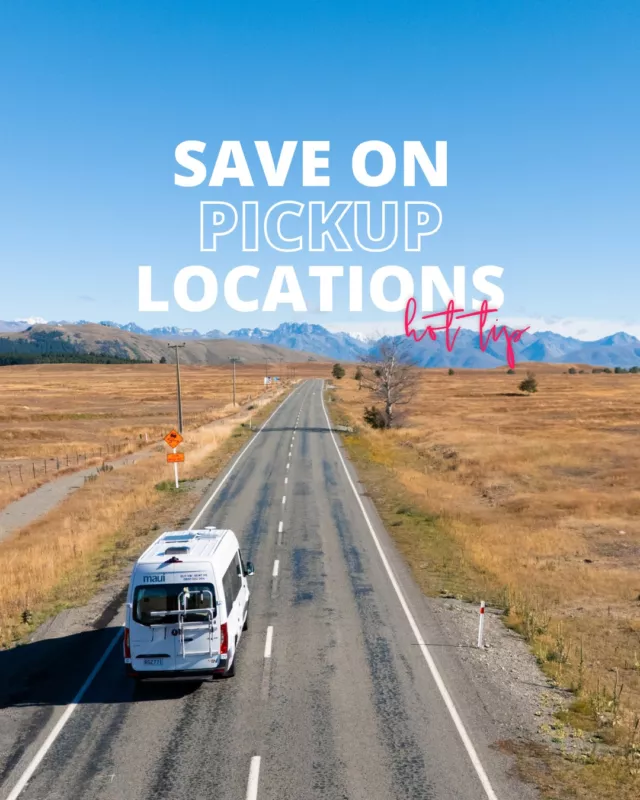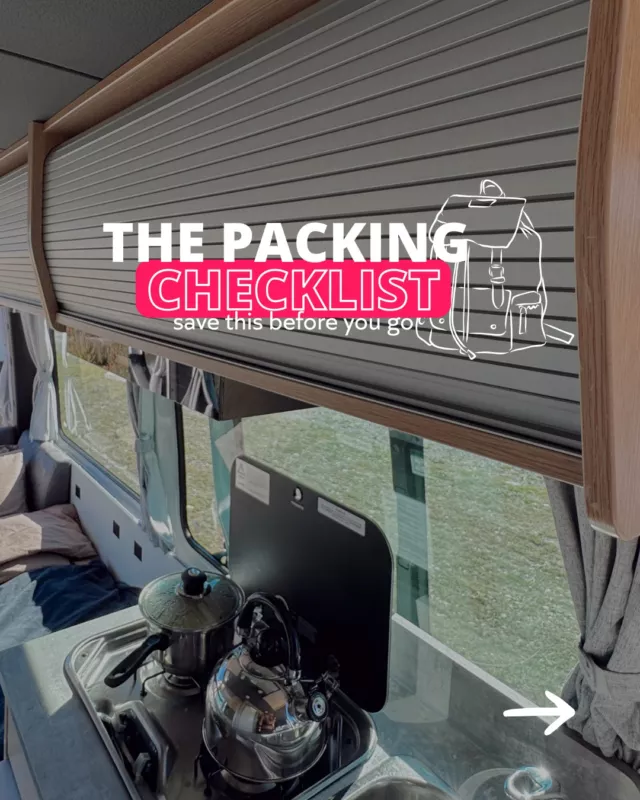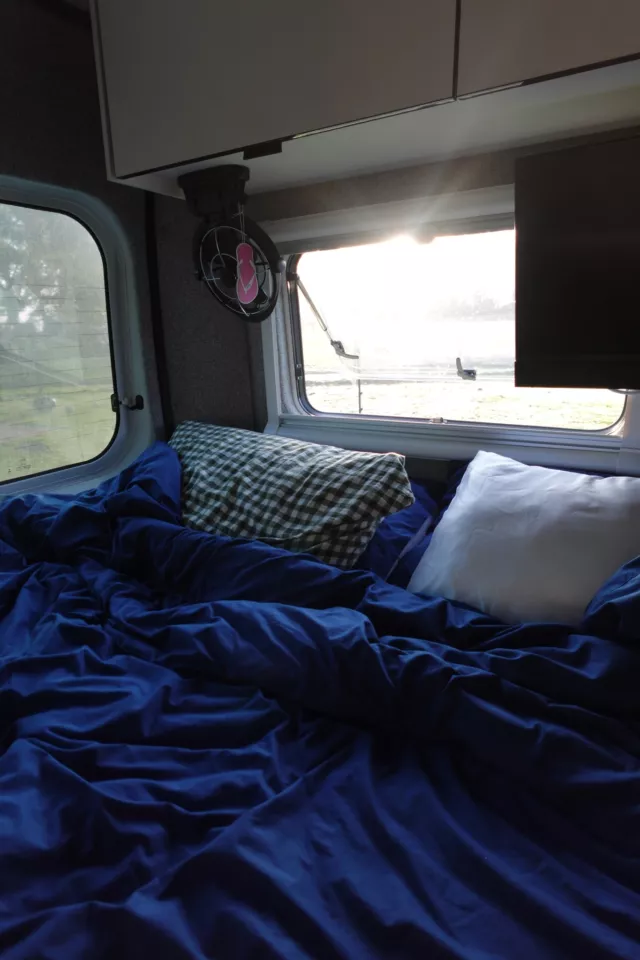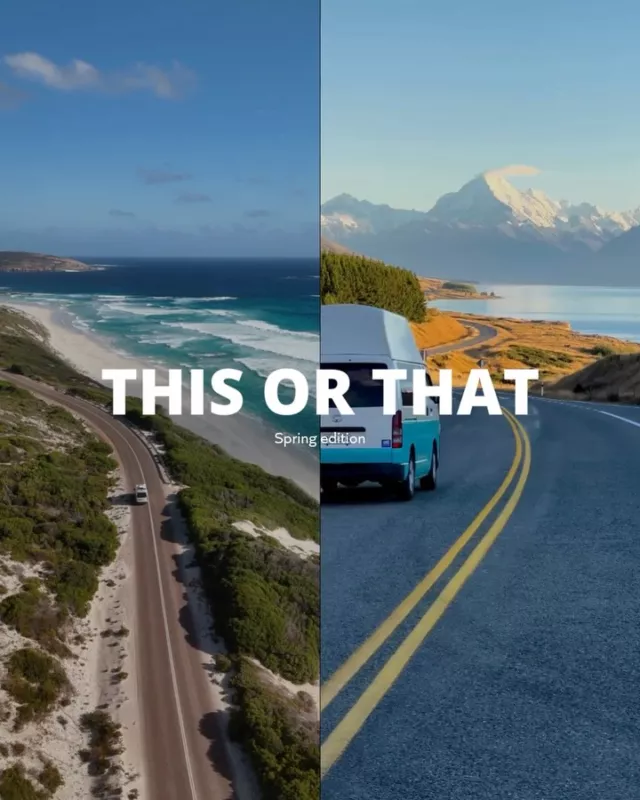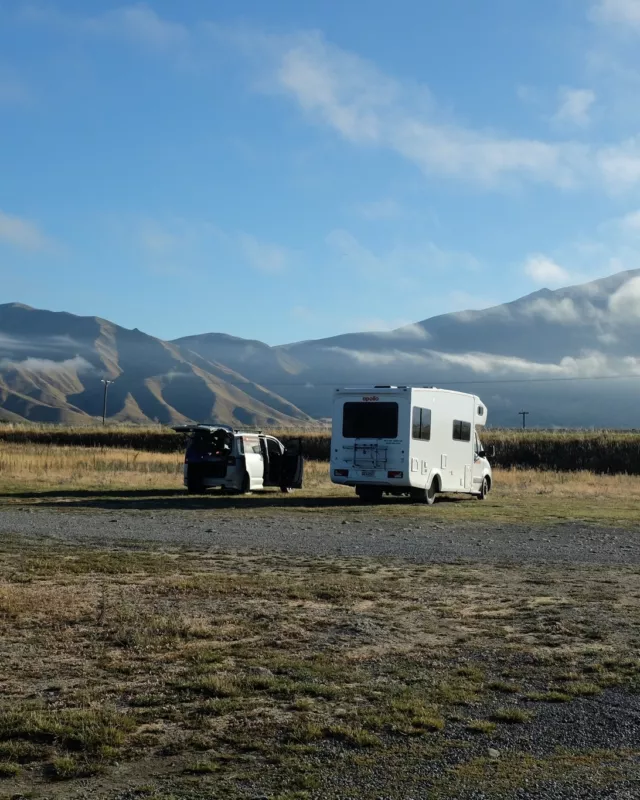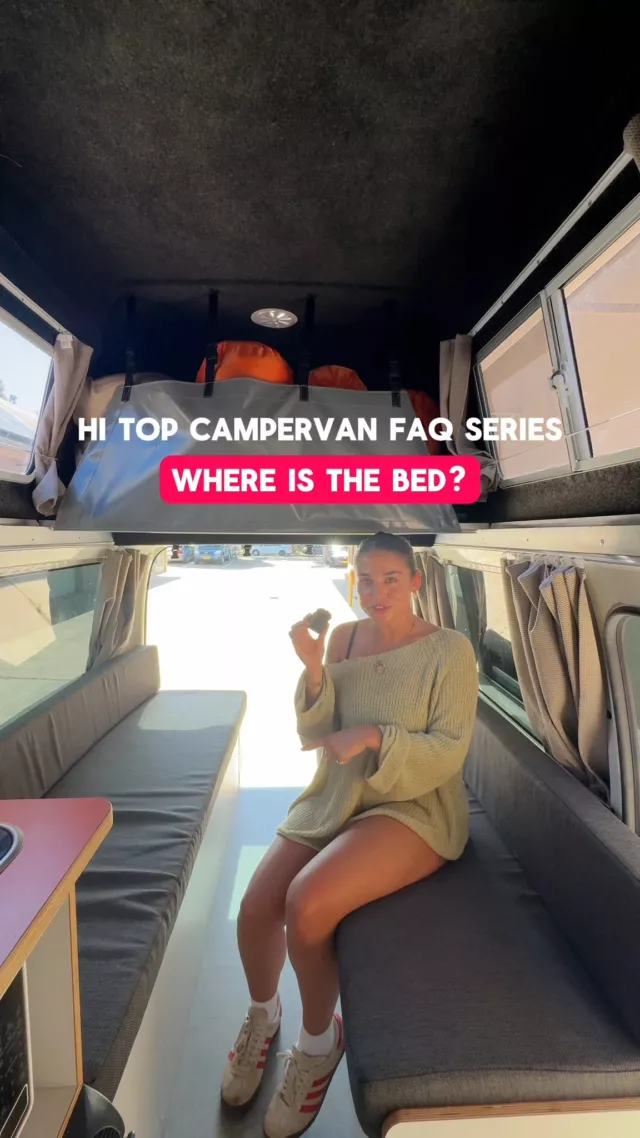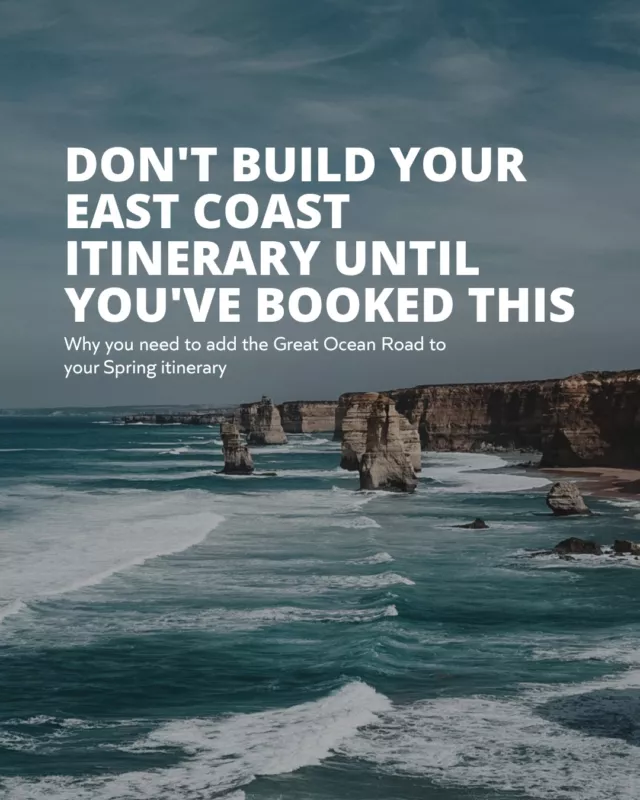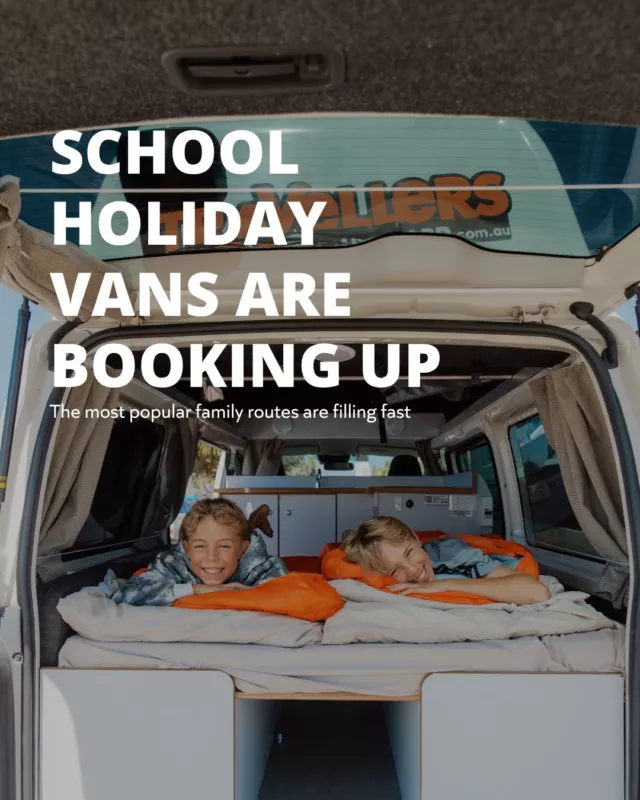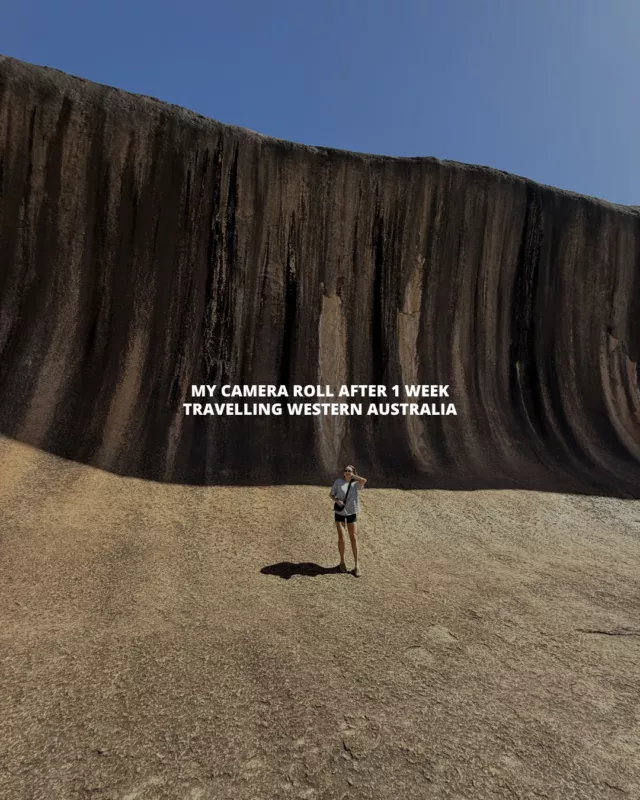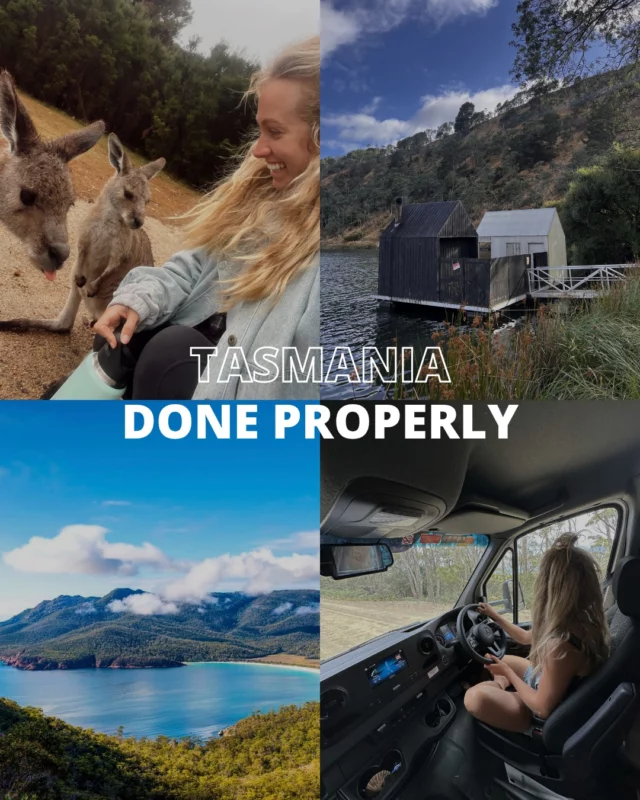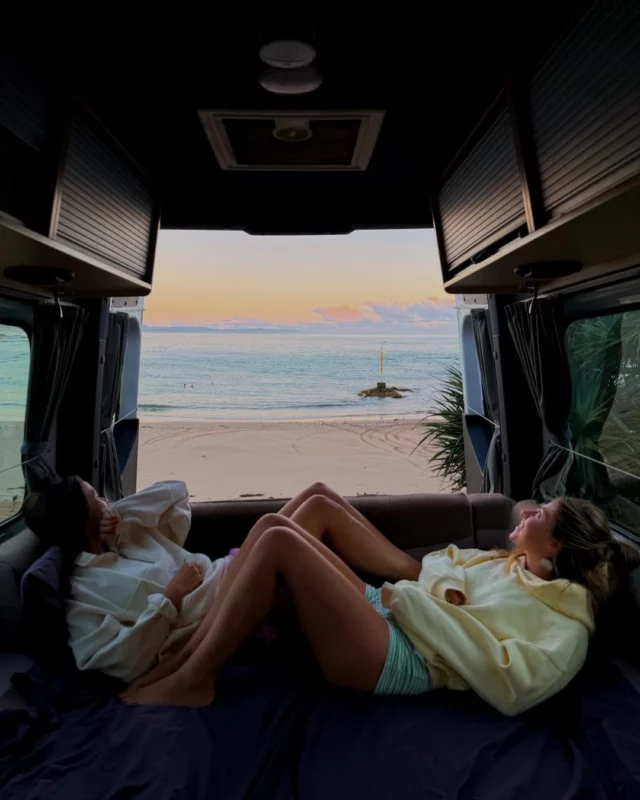
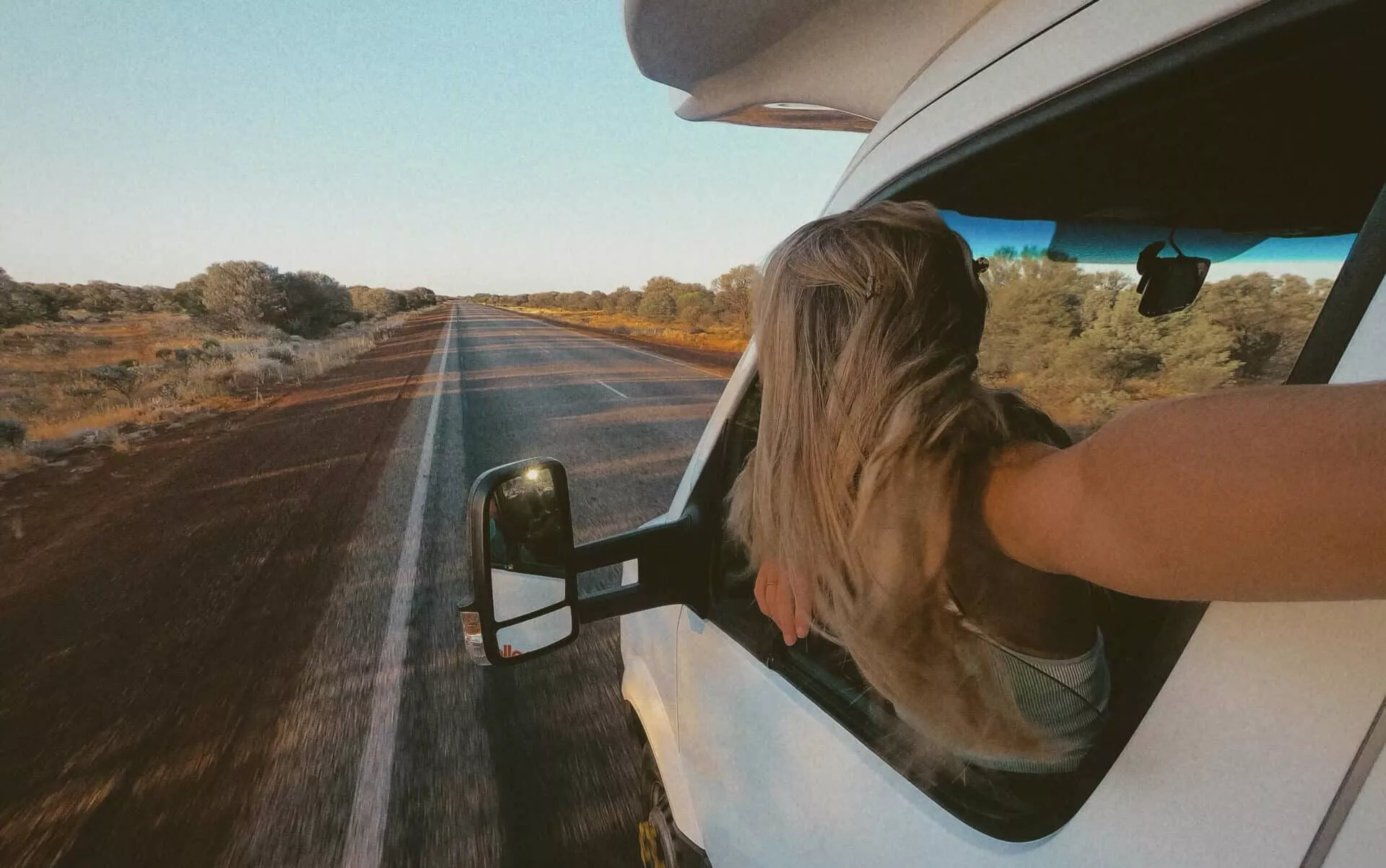
There’s a moment on every campervan trip where it clicks. You’re parked at a beach with no one else on it, or a lookout you found by accident, and you realise this is the best way to see Australia.
The things you actually need to know about campervan living aren’t complicated, but there are a few simple things to get a handle on, like how to keep food cold, where to find free camping, or how to avoid waking up covered in mosquito bites every morning.
Here are 10 campervan living tips I’ve picked up over a decade of road trips across Australia and New Zealand that will make your trip that much easier and more comfortable. Save this for your next roadie!
___________________________________________________
Planning a campervan trip?
Share your travel details and we’ll find you the best van, unlock the best deals, and tailor your perfect road trip.
___________________________________________________


1. Download the apps that every road tripper swears by
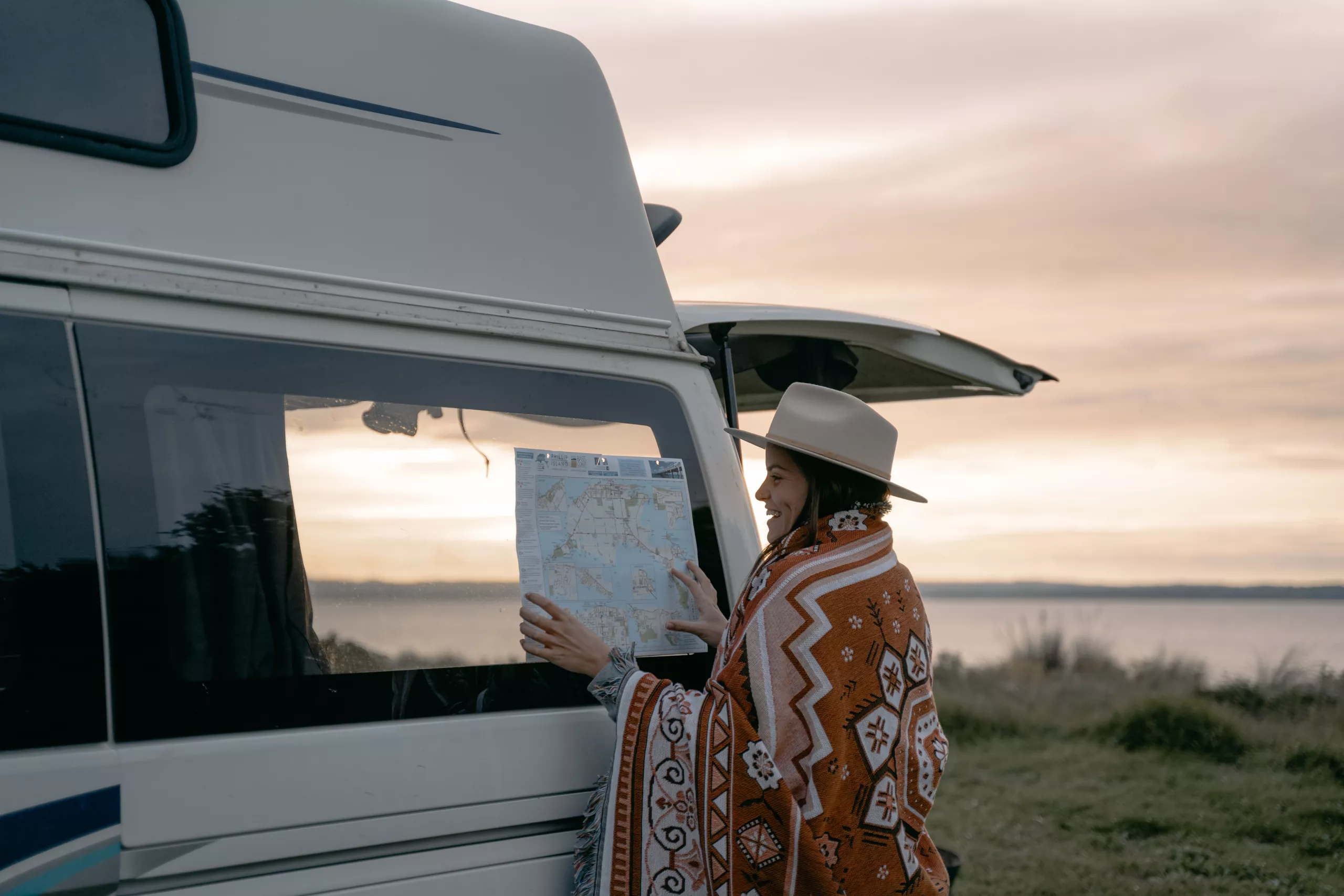
If I could only give one piece of campervan living advice, it would be this: download WikiCamps before you leave. It’s around $10 and it’s worth every cent. It maps over 60,000 campsites, free camps, dump points, water fill stations, rest stops and points of interest across Australia. You can filter by price (including free), facilities, and even whether a site is suitable for your vehicle size.
The other app worth having is CamperMate, which is free. It’s a solid all-rounder for camps, facilities and planning and covers both Australia and New Zealand.
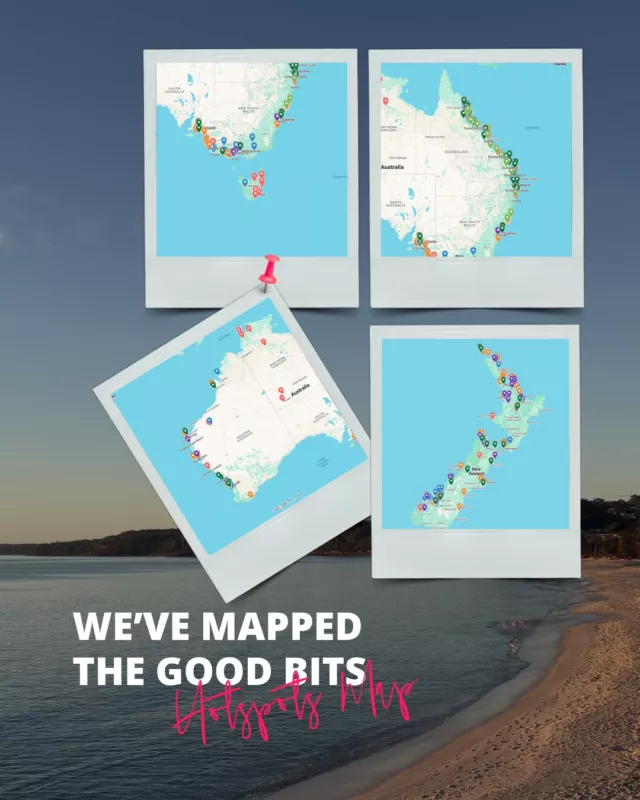
Download our RatPack Hotspots google map for offline use before you head into areas with patchy reception.
Other apps worth a look:
- Rankers Camping NZ for NZ-specific camping spots and info.
- Google Maps for navigation – download your offline map areas before you head into no-reception land.
- BOM Weather (Australia) + MetService (New Zealand) for proper forecasts, radar and warnings (way more useful than guessing by vibes).
- FuelRadar (Australia) + Gaspy (New Zealand) to dodge getting absolutely stitched up at the bowser.
- Emergency+ (Australia) for emergencies – it helps you give responders your exact location (including what3words).
- NZTA Traffic & Travel / Journey Planner (New Zealand) for live state highway closures, incidents and My Journeys alerts.
2. Pack for the van & keep it simple
Everyone overpacks for their first campervan trip. I did it too. You don’t need nearly as much as you think.
Space in a campervan is precious, and every extra bag makes your living area smaller. Pack light and practical.
What to actually pack:
- A few days worth of clothes
- A good pair of thongs and a pair of shoes for walking
- Sunscreen, hat, sunnies (non-negotiable in Australia)
- A light jumper or hoodie for cool evenings
- A head torch (much more useful than a regular torch when you need both hands free)
- A portable speaker (road trip playlists are essential)
- A reusable water bottle
- Phone charger and a power bank
For a detailed breakdown of everything worth bringing, check out our campervan packing list.


3 & 4. Sort your food game early & deal with mozzies
Eating well on the road doesn’t take much effort, but it does take a bit of planning. The biggest mistake is relying on takeaway for every meal.
Here’s what works: do one proper shop at a big supermarket before you leave the city. Stock up on stuff that won’t go off quickly – pasta, rice, wraps, tinned tuna, peanut butter, oats, long-life milk. Then top up with fresh fruit, veg and meat every few days from smaller town shops along the way.
Most campervans have at least a small fridge and a basic cooking setup (a stove, some pots and pans). If yours doesn’t come with cooking gear, check before you pick up – at RatPack, we help match you with the right campervan for what you actually need, so you won’t turn up expecting a kitchen and find a bare van.
Meals that work brilliantly on the road:
- Wraps with whatever’s in the fridge (the ultimate lazy dinner)
- One-pot pasta with tinned tomatoes and whatever veg you’ve got
- Porridge with banana and honey for breakfast
- Stir-fry in a single pan – cooks fast, cleans up fast
Budget tip: Aldi is your best friend. They’re in most major towns along the east coast and they’re significantly cheaper than Coles or Woolies for the basics. Check out our camper cooking blog
And while you’re cooking outside in the evening, there’s one more thing to get ahead of – aussie mozzies!
This is the tip that no one takes seriously until they’ve spent a night trying to sleep while a mosquito does laps of their van. Australian mozzies are persistent, and in some parts of the country (especially tropical Queensland, the Top End, and anywhere near standing water) they can be relentless.
The key is to get ahead of them. Spray insect repellent on yourself before dusk – that’s when mozzies become most active. If you’re camping near a river, lake or mangroves, double up.
For inside the van, a small mesh screen across your door or window makes a massive difference. Some campervan rentals come with built-in screens, but if yours doesn’t, a cheap magnetic fly screen from Bunnings does the job. You can also pick up mosquito coils or a plug-in repellent for outside your van while you’re cooking and eating.
And the real insider move: park in a spot with a breeze. Mozzies are weak flyers. Even a light wind off the ocean keeps them at bay better than any spray.
5. Look up Campsite Rules
One of the biggest campervan tips: don’t assume you can park anywhere. Australia has strict rules about where campervans can stay overnight, and they vary by state, by council, and sometimes by individual car park.
The general rule is you need to stay in designated campsites, caravan parks, rest areas (where overnight stays are permitted), or free camping areas. Parking overnight in a random car park, residential street, or beach car park can land you a fine.
WikiCamps and CamperMate both flag which spots allow overnight stays and which don’t. We’ve put together a detailed guide on campervan parking rules in Australia that’s worth checking before you head off.
And camp by the beach at least once. Take advantage of national parks and coastal free camps where you can. Waking up to the sound of the ocean with no one else around – that never gets old. Just make sure you’re doing it legally and leaving the site the way you found it.
Quick tip: at popular campsites in peak season (school holidays, long weekends), try to arrive before 2pm. Some of the best free camping spots in NSW fill up fast in summer.

6. Know your water and power situation
Water is one of those things you don’t think about until you run out. Most campervans have a small water tank, and depending on the size, it’ll last you anywhere from one to four days if you’re being sensible.
Get into the habit of filling up whenever you can – don’t wait until the tank is empty. The WikiCamps app marks water fill points across the country, so you’ll always know where the next one is. Some caravan parks let you top up for a small fee even if you’re not staying there.
If you’re camping somewhere remote, bring extra water in a separate container. Five litres of drinking water from the supermarket costs a couple of dollars and means you’re never caught short.
Things that drain your water tank faster than you’d expect:
- Long showers (if your van has one – keep them short)
- Washing dishes under running water (use a basin instead)
- Rinsing sandy feet multiple times a day
Power – most rental campervans have a secondary battery that’s separate from the engine battery. This runs your fridge, interior lights, USB charging ports and any 12-volt outlets. It charges automatically while you’re driving, so as long as you’re covering a couple of hours on the road each day, you’ll generally be fine.
Some vehicles also have 240-volt mains plugs so you can run things like a laptop charger, hair dryer or microwave.
Quick power tips:
- Charge your phone and power bank while you’re driving
- If your van has a fridge, keep it closed as much as possible
- LED fairy lights and a portable speaker barely draw any power, so don’t stress about those
7. Keep your van tidy
Your campervan is your bedroom, kitchen, wardrobe and living room all in about four square metres. If you let it get messy, it stops being fun very quickly.
The trick is to build tiny habits from day one. Pack your bed away every morning. Put things back where they came from. Do the dishes straight after eating (it’s one pan – it takes two minutes). Keep a small dustpan and brush by the door and sweep out the sand and dirt every evening.
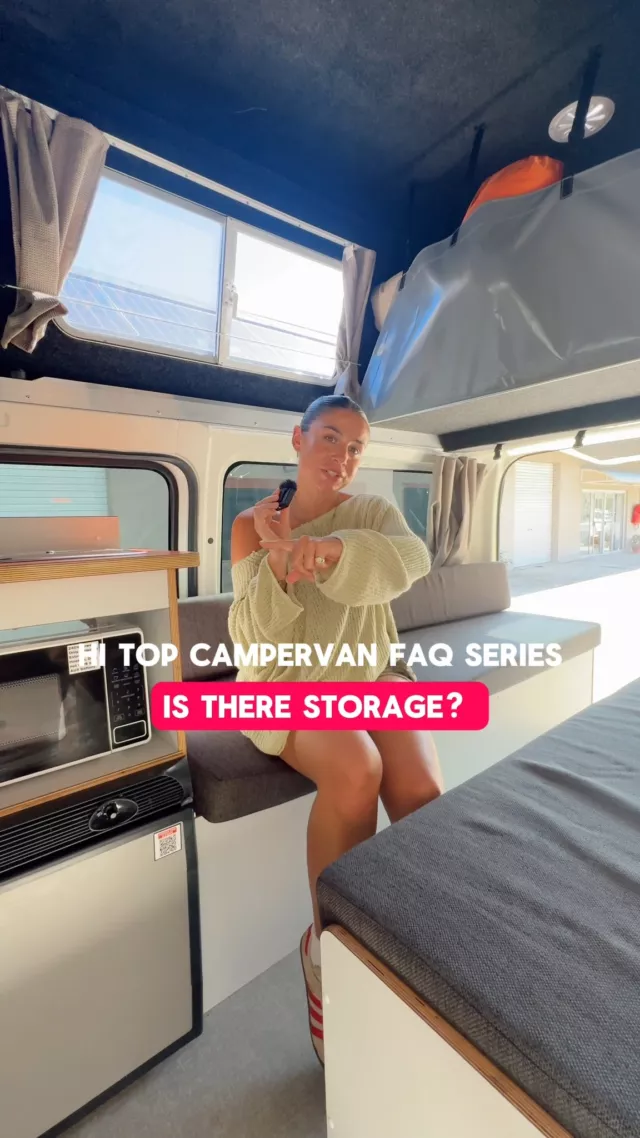
Packing cubes are a game-changer for clothes storage. Roll your clothes, sort them by type, and stack them in the overhead cupboards. It takes up half the space of throwing everything in a bag and you’ll actually be able to find what you’re looking for.
The other big one: keep your food organised. A few small containers and reusable bags make your fridge go from chaos to functional. When you’re cooking in a tiny space, being able to find the salt matters more than you’d think.
8. Don't try to do too much driving in one day
Australia is enormous. It’s easy to look at a map and think “Sydney to Byron is only 750 kilometres, I’ll smash that in a day.” You can – but you’ll arrive exhausted, you’ll miss everything between A and B, and you’ll wonder why you hired a campervan instead of just flying.
The beauty of campervan travel is the bits in between. The beach you pulled over for on a whim. The bakery in a town you’d never heard of. The waterfall someone at the last campsite told you about. Take your time. Stop when you want. That’s the beauty of campervan travel. It’s on your time.
A good target is 200-300 kilometres per day, with stops. That gives you time to drive at a relaxed pace, pull over for anything that looks interesting, and arrive at your camp spot with energy left to enjoy it.
Route planning tip: If you’re doing a longer coastal trip, we’ve put together a full Brisbane to Cairns road trip itinerary that breaks the journey into manageable days with the best stops along the way.
9. Get your camp spot sorted before dark
This sounds obvious, but it catches almost everyone out at least once. When the sun drops in Australia, it drops fast – and trying to find a campsite, park up, set up your bed and cook dinner in the dark is no fun at all.
Aim to reach your spot by about 4pm, especially in winter when you lose the light early. That gives you time to scope out the best park-up position, get your camp kitchen sorted, and actually enjoy the evening instead of fumbling around with a head torch.
A good rule of thumb: plan your driving day backwards from when you want to arrive, not from when you want to leave. It completely changes how your days feel.
There’s a safety reason for this too. Dawn and dusk are when kangaroos, wombats and other wildlife are most active near roads — and hitting a roo at speed is dangerous for you and the animal. If you can keep your driving to daylight hours, you avoid the highest-risk windows entirely. On longer stretches, take a break every couple of hours. Fatigue on those big straight outback roads creeps up faster than you’d expect, especially after lunch.
Pro tip: If you’re using WikiCamps or CamperMate (more on those in a sec), check reviews for notes about whether a site fills up early. Some of the popular free camps along the east coast are full by lunchtime in peak season.
10. Pick the right campervan in the first place
This is the tip that makes the biggest difference, and it’s the one most people get wrong. The right campervan for a solo backpacker smashing the east coast is completely different from the right campervan for a couple doing a slow lap.
Things to think about: how many people are you travelling with? Do you need a shower and toilet in the van, or are you happy using campsite facilities? Do you want a proper kitchen setup or just the basics? Are you sticking to sealed roads, or do you want to get off the beaten track with a 4WD camper?
There are different vehicles, different inclusions, different prices and different fine print. It’s a lot to compare, especially when you’re trying to plan a trip from overseas.
That’s exactly why we started RatPack. We compare campervan options across all the major rental companies in Australia and New Zealand, find the best match for what you actually need, and then make sure you’re getting the best price for it. Our service is free, and we genuinely know this stuff – we’ve been doing it since 2016 and we’ve got over 2,600 five-star reviews to show for it.
Share your travel details and we’ll find you the best van, unlock the best deals, and tailor your perfect road trip.
FAQ's
Frequently Asked Questions
How much does it cost to live in a campervan in Australia?
It depends on your style. Budget travellers using mostly free camps, cooking their own food, and keeping fuel costs in check can get by on $50-80 per day. If you’re staying at caravan parks and eating out more, expect $100-150 per day. Fuel is usually the biggest variable — regional prices can be 30-40 cents per litre higher than the cities, so fill up when it’s cheap.
Is it safe to sleep in a campervan in Australia?
Yes, overwhelmingly. Australians are friendly and campground communities tend to look out for each other. Use common sense: lock your van at night, don’t leave valuables visible, and stick to well-reviewed campsites rather than random lay-bys. If you’re camping somewhere remote, let someone know your plans.
What’s the best time of year for a campervan trip in Australia?
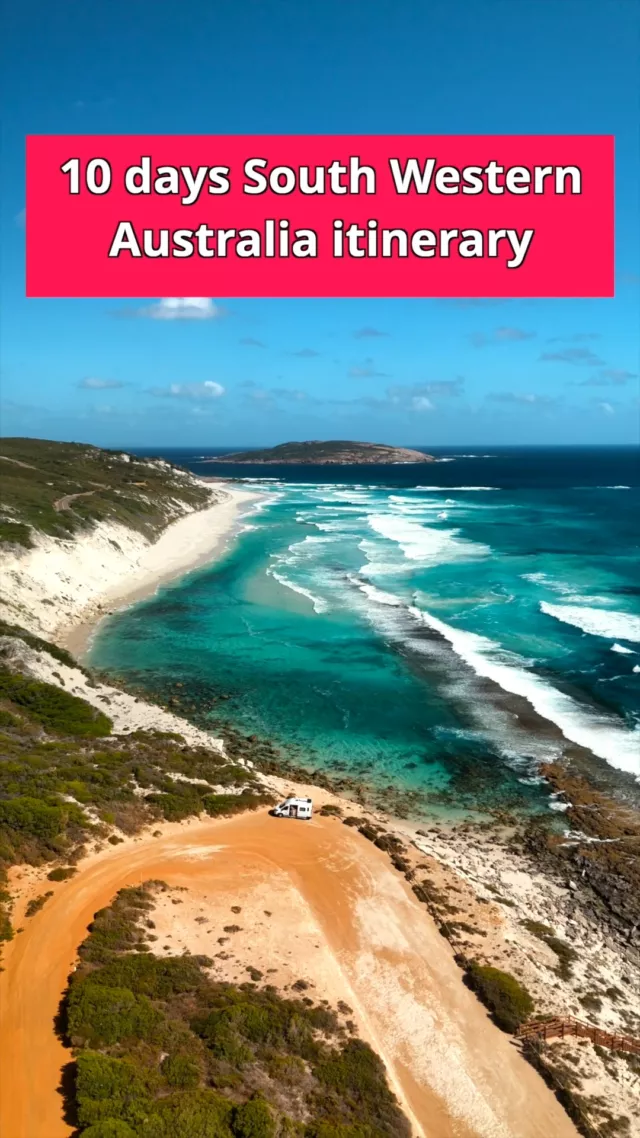
It depends on where you’re going. The east coast is best between April and October (avoiding the summer humidity and cyclone season up north). Southern Australia and Tasmania are best in the warmer months from November to March. Western Australia’s south-west is beautiful in spring (September-November). The Top End and Far North Queensland are best in the dry season, May to October.
Do I need a special licence to drive a campervan in Australia?
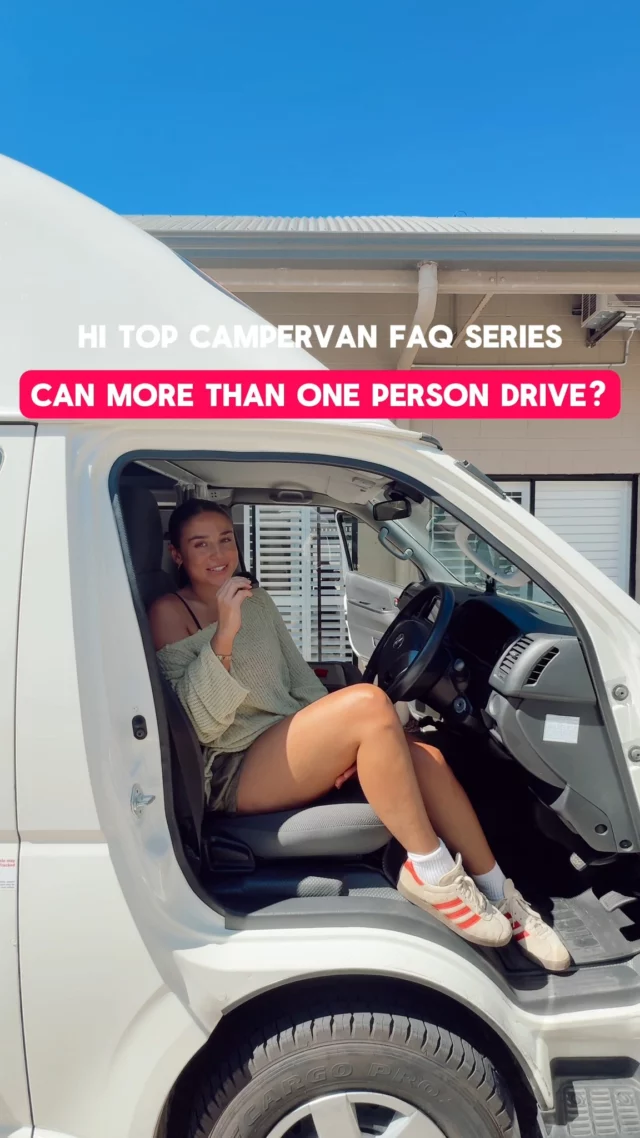
No — a standard car licence covers most campervans and motorhomes. If you hold an overseas licence, you’ll need either an International Driving Permit or an official English translation. Check the rules for the specific state you’re picking up in, as requirements vary slightly.
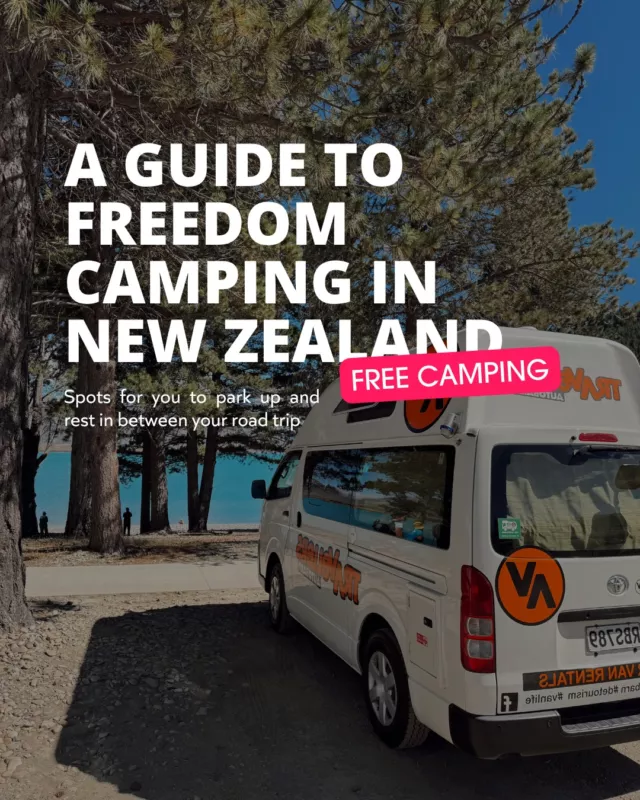
Can I freedom camp anywhere in Australia?
No. Freedom camping (camping outside of designated campgrounds) is only legal in certain areas, and the rules vary by state and council. Always check before you park up for the night. Apps like WikiCamps and CamperMate are the best way to find legal free camping spots with up-to-date reviews from other travellers. For a proper rundown, see our freedom camping guide.
Ready to hit the road?
The best campervan trip is one where you’re not sweating the details – where the van’s sorted, the route makes sense, and you’ve got a few good tips in your back pocket for when things don’t go to plan. That’s exactly what this list is for.
If you’re still figuring out which campervan to book, or you just want someone to do the comparing for you, that’s what we’re here for.
About the Author

with RatPack Travel?

5-Star Google Rated
5-Star Google Rated


Our Customers Say it Best