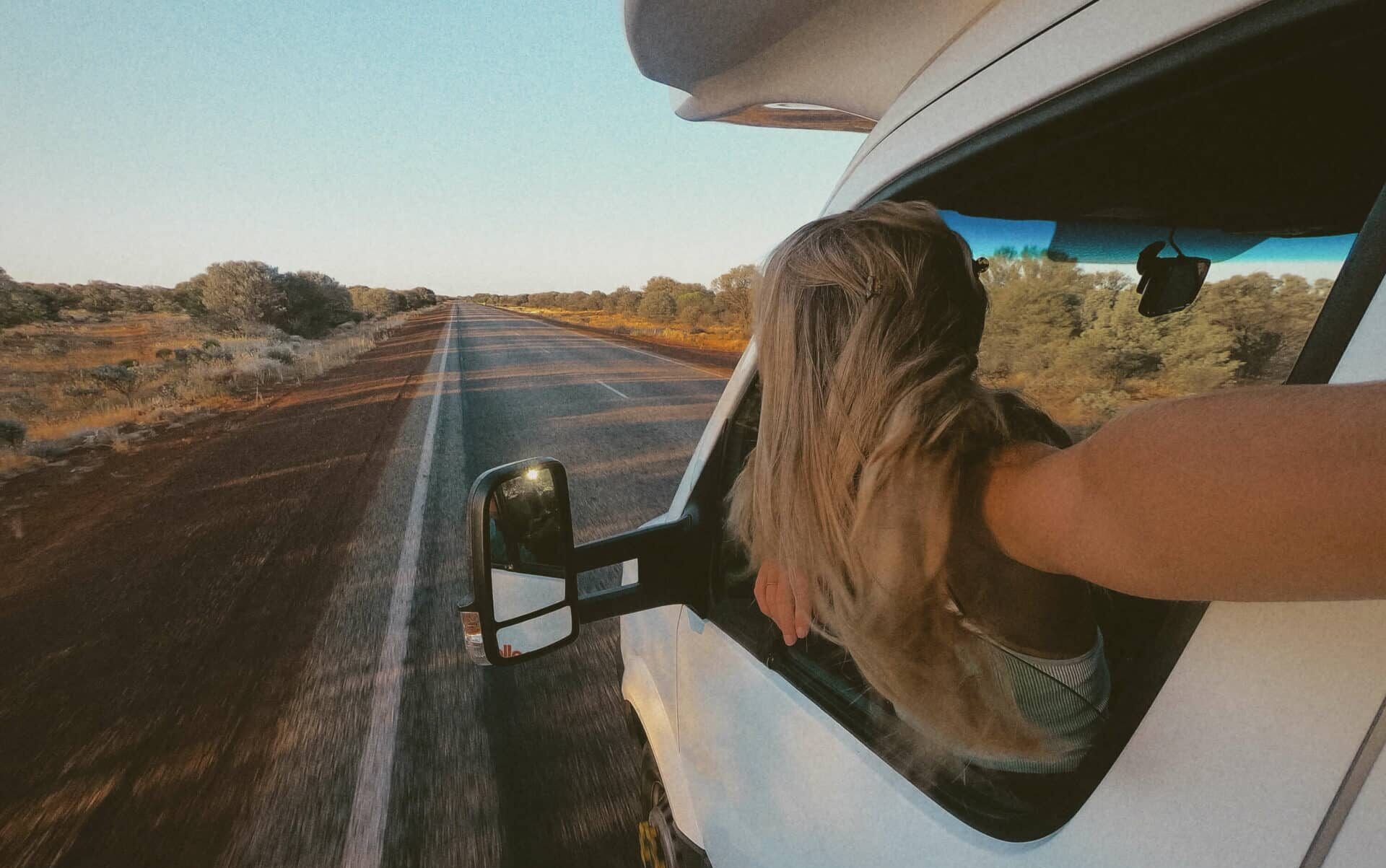
The first time I slept in a campervan, I didn’t sleep.
It was 3am and there was a buzzing around my head. A mozzie was doing laps, and it was the most annoying thing ever.
By sunrise I’d learnt two things. One – campervan travel was amazing. Wake up by the beach, roll up to a different sunrise every morning, total freedom. Two – there are some real-world campervan living tips that can make or break your trip, and I definitely worked some of them out the hard way.
After countless roadies across Australia and New Zealand here are the tips I give every traveller before they pick up the keys. Some of them are obvious, some of them aren’t, and all of them will make your time on the road that much better.
Planning your campervan’ trip? Send us your travel dates and we’ll find the best camper for your route and budget – personalised recommendations, and we find the best deals!


Sort Your Budget Before You Sort Your Route
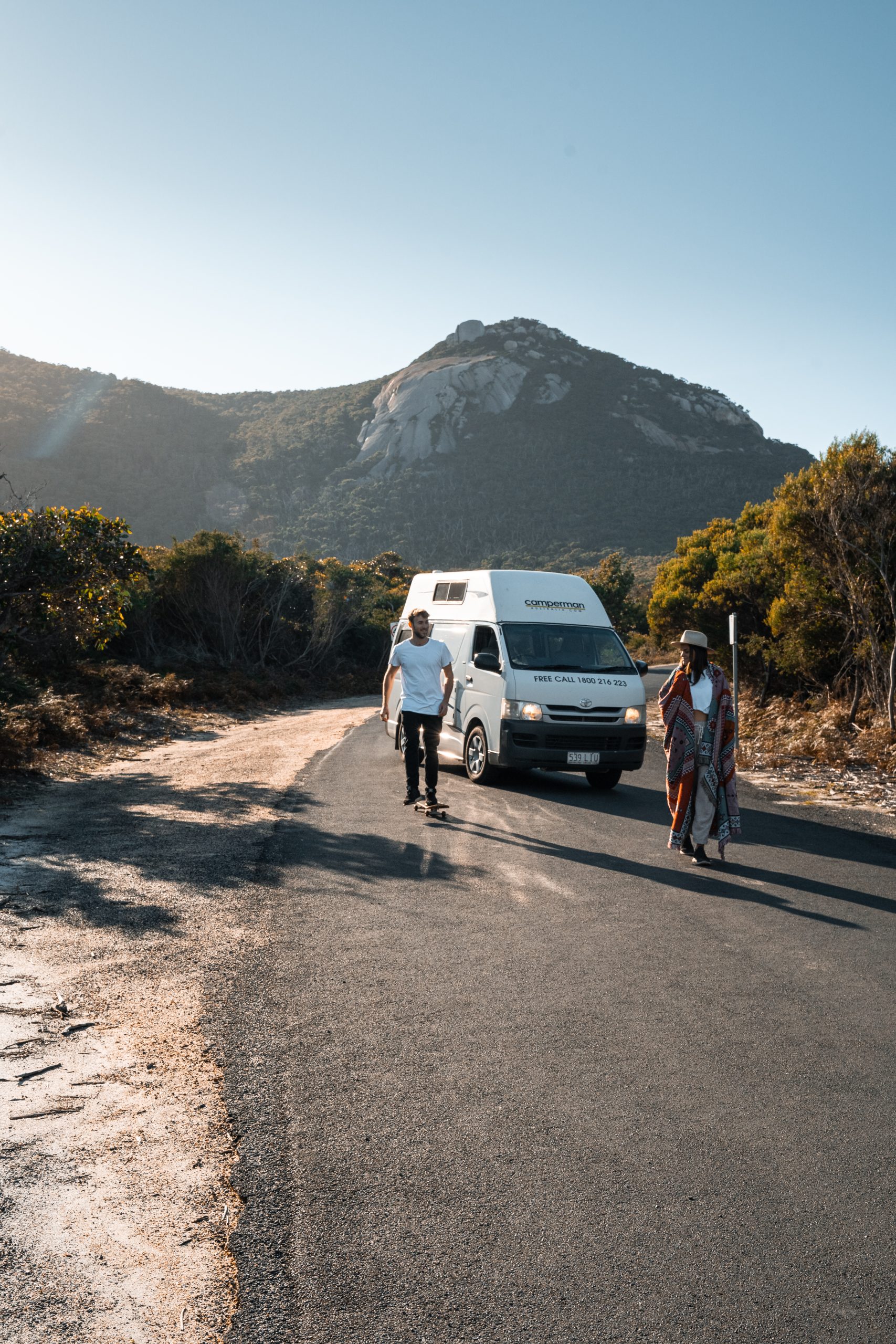
Before getting into on-the-road hacks, you’ve got to think about your budget. Travelling by campervan saves serious money compared to hotels and flights, but there are still costs to factor in – and without a little planning they can add up fast.
One school holidays we didn’t factor in higher campsite prices and got caught out. Multiply that by a few weeks and your budget can take a real hit.
What to include in your campervan budget:
- Campervan hire (this varies with season, van type, and trip length – we can help you find the right van for your trip)
- Fuel – the long distances add up
- Campsites and national park entry fees (a mix of free and paid)
- Food and drinks (cooking in the van vs eating out makes a big difference)
- Showers and laundry (coin-operated at most caravan parks)
- Phone and data costs
- Gas bottle refills
- Tours and activities
- A buffer for the unplanned stuff – there’s always something
What impacts your daily spend:
Peak vs off-peak season, distance covered, paid vs free camping, cooking vs eating out, and the type of van you hire all shift the numbers.
Money-saving tips:
Compare fuel prices with an app like Fuel Map Australia or PetrolSpy. Shop at supermarkets, not servos. Balance free camping with paid sites – a good rhythm is two nights free camping to one night at a paid site with facilities. Cook in the van more often than you eat out.
Rough daily budget guide (per person):
| Traveller type | Approx. daily cost |
| Backpacker (budget) | $50-70 |
| Mid-range couple | $80-120 |
| Family with 2 kids | $150-200 (total, not per person) |
These are ballpark figures – your actual spend will depend on your route, season, and how often you eat out vs cook.
Prep Before You Hit the Road
A little preparation before you leave can stretch your budget and make the first few days on the road much smoother. Stock up on essentials before you head off – especially if your first stretch takes you away from major towns.
Bring with you:
- Ingredients for easy meals plus cooking basics (oil, salt, pepper)
- Drinking water and a large refillable water container
- Mosquito repellent (bring your own – smaller towns may have limited choices)
- A basic safety kit: first-aid kit, jumper leads, a tyre repair kit and tools
- Snacks, snacks, and more snacks
Australia has some long stretches of highway where you won’t see a shop for hours. Always carry enough water and grab-and-go food for at least a couple of days. Most campervans come with a fridge, so you can keep things fresh.
Packing tips that matter:
Pack clothes in soft bags rather than hard suitcases – they’re much easier to stow and reshape around the van’s storage spaces. If you do bring a hard case, you can put it up front when sleeping and move it to the back when driving.
Store food in sealed containers. There are little visitors who like to explore at night, and I can guarantee that open bag of chips will be on their radar.
For longer trips, collapsible containers, hanging storage pockets, and packing cubes make a real difference. You can find these at camping stores or grab cheaper options online. We’ve also put together a full campervan packing list that covers everything by category.
Pack everything away in tubs or cabinets before you set off each morning – anything loose will slide around while you’re driving.
[IMAGE: Inside a campervan showing clever storage and packing – practical, not styled]

Manage Your Water and Power
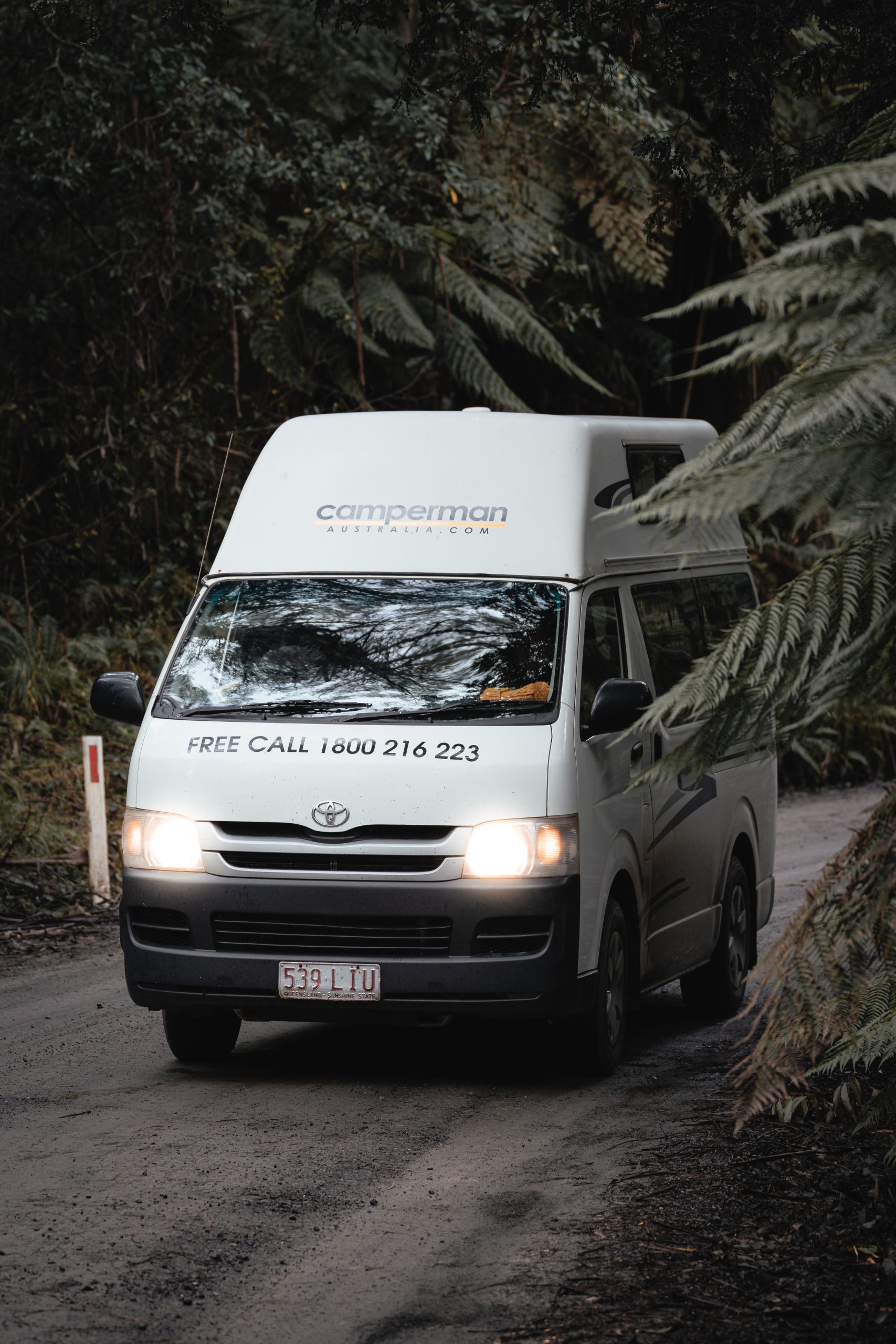
There’s nothing worse than turning on the tap to wash the dishes and nothing comes out.
If you’re cooking, washing, showering, and brushing your teeth from the van’s tank, the water disappears faster than you’d expect. A few habits that help:
- Wash dishes once a day rather than after every meal
- Turn the tap off while brushing your teeth
- Top up your fresh water and empty the waste water every one to two days
- Research refill points at towns along your route – CamperMate app is great for this
- Bring your own filtered water for drinking
Battery and solar power work the same way – be conservative. Turn off lights when you’re not using them, charge devices while driving, and don’t leave the fridge door open longer than you need to.
Different campervans have different water tank sizes and power setups. At RatPack, we’ll help you choose a van with the right facilities for your trip and how you plan to travel.
Know the Campsite Rules
One of the biggest campervan tips and tricks I can give you: don’t assume you can park anywhere. Australia has strict rules about where campervans can stay overnight, and they vary by state, by council, and sometimes by individual car park.
The general rule is you need to stay in designated campsites, caravan parks, rest areas (where overnight stays are permitted), or free camping areas. Parking overnight in a random car park, residential street, or beach car park can land you a fine – in popular areas like Byron Bay and Noosa, rangers actively patrol.
WikiCamps and CamperMate both flag which spots allow overnight stays and which don’t. We’ve put together a detailed guide on campervan parking rules in Australia that’s worth checking before you head off.
And camp by the beach at least once. Take advantage of national parks and coastal free camps where you can. Waking up to the sound of the ocean with no one else around – that never gets old. Just make sure you’re doing it legally and leaving the site the way you found it.
Quick tip: at popular campsites in peak season (school holidays, long weekends), try to arrive before 2pm. Some of the best free camping spots in NSW fill up fast in summer.
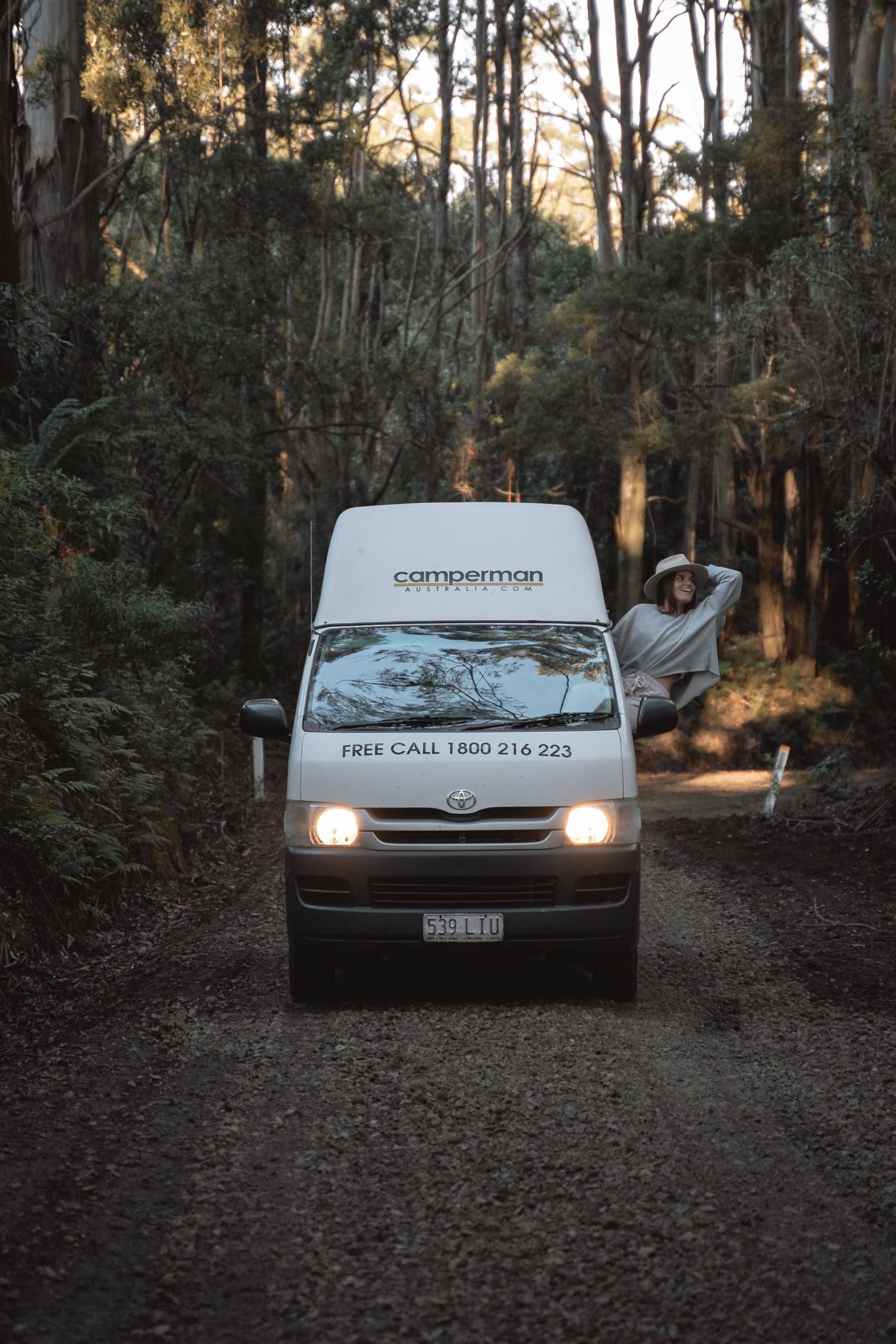
Get to Your Campsite Before Dark
This one sounds obvious until you’re driving around at night trying to find a spot. Getting to your campsite with daylight to spare changes everything – you can pick the best position, set up your bed properly, cook a decent meal, and actually enjoy the evening.
There’s also wildlife to think about. Kangaroos, wombats, and other animals are most active at dusk and dawn, and hitting one at highway speed is dangerous for you and the animal. Plan your driving so you’re off the road before sunset where possible.
Always keep a good torch in the van for those nights when arriving late is unavoidable.
Sort Your Phone and Maps
Unless you’re a pro map reader, a local SIM is worth it. It helps with navigation, lets you book campsites, keeps you connected for emergencies, and means you can actually look things up on the road.
You can grab a prepaid SIM from any supermarket or phone shop. Telstra has the best regional coverage by a long way but costs more. Optus is solid along the east coast. Expect to pay around $30-40/month for a plan with enough data to run Google Maps daily.
Download offline maps for your route before you leave the city – Google Maps lets you save entire regions. Do this for every stretch away from major towns. It’s saved me more than once on dirt roads in the middle of nowhere.
For more on staying connected, check out our guide to remote internet in Australia.
Also, make use of our RatPack East Coast Hotspots map – we’ve pinned our favourite spots along the coast. Free camps, beaches, lookouts, the lot.
Deal with Mozzies Before They Deal with You
If there’s one campervan living tip I could tattoo on every traveller’s arm, it’s this: buy mosquito spray and use it before dusk. Not during. Not after. Before.
Mozzies in Australia come out at dusk and they are relentless, especially near rivers, lakes, or standing water. Us poms are definitely not used to them, but honestly, who is?
Here’s the mozzie survival kit:
- Mosquito spray – plenty of it. Bring your own, as choices in smaller towns can be limited.
- Long pants and sleeves after dusk and around still water
- Citronella coils next to the van in the evening
- If you’re in tropical Queensland between November and May, a fly screen for your side door is worth its weight in gold
Sleeping with a mozzie buzzing around your head in a campervan is a special kind of misery. Prevention is everything.
Cook in the Van (It's Easier Than You Think)
Living in a campervan doesn’t mean surviving on two-minute noodles – though there’s nothing wrong with that on a lazy night. Most rental campervans come with a basic kitchen: a gas stove or cooktop, pots and pans, plates, and cutlery. That’s enough to make proper meals.
Keep it simple. One-pot meals are your friend: pasta, stir-fries, wraps, and anything you can throw on a campsite barbecue (most holiday parks and many free camps have free BBQs).
We’ve put together a guide to easy campervan meals that are genuinely good and take about 15 minutes.
A few practical tips: always cook with a door open for ventilation, clean up straight after eating (crumbs attract ants faster than you’d believe), and keep your cooking setup simple so packing up each morning isn’t a production.
Not sure which campervan has the right kitchen setup for your trip? Our team can help match you with the right van – we know which models have what.
Make Playlists and Download Entertainment
Your road trip is always as good as the music you play! There are long stretches where it’s just you, the road, and whatever’s coming through the speakers – so make sure you’ve got plenty to listen to.
Before you go: create a solid roadie playlist and download it for offline play. Load up some podcasts and audiobooks too. When the playlist runs dry on a six-hour drive through the outback, a good podcast is a lifesaver.
And pack a few things for rainy days. Australia’s weather is generally brilliant, but when it rains it can come down hard – and the weather can affect access to some natural attractions. Bring a waterproof jacket and quick-dry towels (they save space), a laptop with some downloaded films, cards, and books. If you’re travelling with kids, an activity box filled with surprises works wonders – grab any box, fill it with age-appropriate entertainment, and keep it hidden until you need it.
One of the best parts of campervan travel that people don’t expect is the community. You’ll meet other travellers at campsites, at lookouts, in servo car parks. There’s an unwritten rule among campervanners in Australia – you wave at each other on the road, you share tips at campsites, and you look out for each other. The rule becomes even more potent when the passing campervan is the same type as yours.
If someone pulls up next to you and asks where you’ve come from, tell them. They’ll probably have a recommendation for somewhere you haven’t heard of. Some of the best spots I’ve found came from conversations at campsites, not from Google.
FAQ: Campervan Living Tips
Is it safe to sleep in a campervan in Australia?
Yes, provided you’re in a designated campsite, caravan park, or approved rest area. Australia is generally very safe for campervan travellers. Lock your van at night, don’t leave valuables visible, and be aware of wildlife in remote areas. The camping community is friendly and looks out for each other.
How much does it cost to live in a campervan in Australia per day?
A rough daily budget is $50-70 per person on a backpacker budget, $80-120 for a mid-range couple. That covers fuel, food (cooking most meals yourself), and a mix of free and paid campsites. You can go lower by free camping more and shopping at Aldi, or higher if you’re eating out and staying in holiday parks every night.
Can you camp anywhere in a campervan in Australia?
No. You need to stay in designated areas – free camps, national park campsites, rest areas that permit overnight stays, or caravan parks. Rules vary by state and council. Use WikiCamps or CamperMate to find legal spots and check our free camping guide for the full rundown.
What’s the best app for finding campsites in Australia?
WikiCamps Australia is the most comprehensive – it costs a few dollars but has the most up-to-date reviews and the largest database. CamperMate is a solid free alternative. Between the two, you’ll always find somewhere to park up.
What should I pack for living in a campervan?
Pack light and practical: sun protection, layered clothing, a torch, first-aid kit, reusable water bottle, power bank, quick-dry clothes, and sealed food containers. Skip the “just in case” items. Check our full campervan packing list for the complete rundown.
How do you shower when living in a campervan?
Most paid campsites have hot showers (often coin-operated). On free camping days, you can swim, use a solar camp shower, or rely on baby wipes. Plan a stop at a caravan park every few days and you’ll stay fresh.
Should I rent or buy a campervan in Australia?
For trips under 3-4 months, renting is almost always the better option – no dealing with registration, insurance, mechanical issues, or reselling. Plus you get a maintained, reliable vehicle with roadside assistance. For longer stays, buying can make sense but comes with more risk. If you’re renting, we can help find you the best camper for your trip and budget.
Ready to Hit the Road? Let’s Sort Your Campervan
That’s the real stuff – the campervan living tips that’ll make your time on the road smoother, cheaper, and a lot more fun. The road is out there, and once you’ve got your rhythm sorted, every day is a good one.
Our team is here to help you every step of the way – before, during, and even after your trip. We’ve got access to campervans that others don’t, and we’ll match you with the right vehicle for your route, your group, and your budget.
Hit the button, send us your travel dates, and we’ll build you a personalised camper deal – best price guarantee, and tailored to you.
Also check out our other guides: Campervan Packing List, Free Camping in Australia, and Camper Cooking 101.
About the Author: Sammy

with RatPack Travel?

5-Star Google Rated


Our Customers Say it Best


